

Mar . 10, 2026 01:45 Back to list
Comprehensive Guide to COVID19 Testing with COVID Test Kits and Rapid Test Options
Understanding COVID-19 Testing: A Guide to COVID Test Kits
In the ongoing landscape of global health, reliable and rapid COVID-19 testing remains crucial. Whether for travel, work, or peace of mind, access to accurate testing solutions is paramount. This article provides a comprehensive overview of COVID-19 test kits, focusing on rapid testing options and their importance. We’ll explore the different types of tests available, their accuracy, and how to choose the right test for your needs. Accessing timely and reliable results can significantly impact personal and public health safety.
What is a COVID-19 Rapid Test Kit?
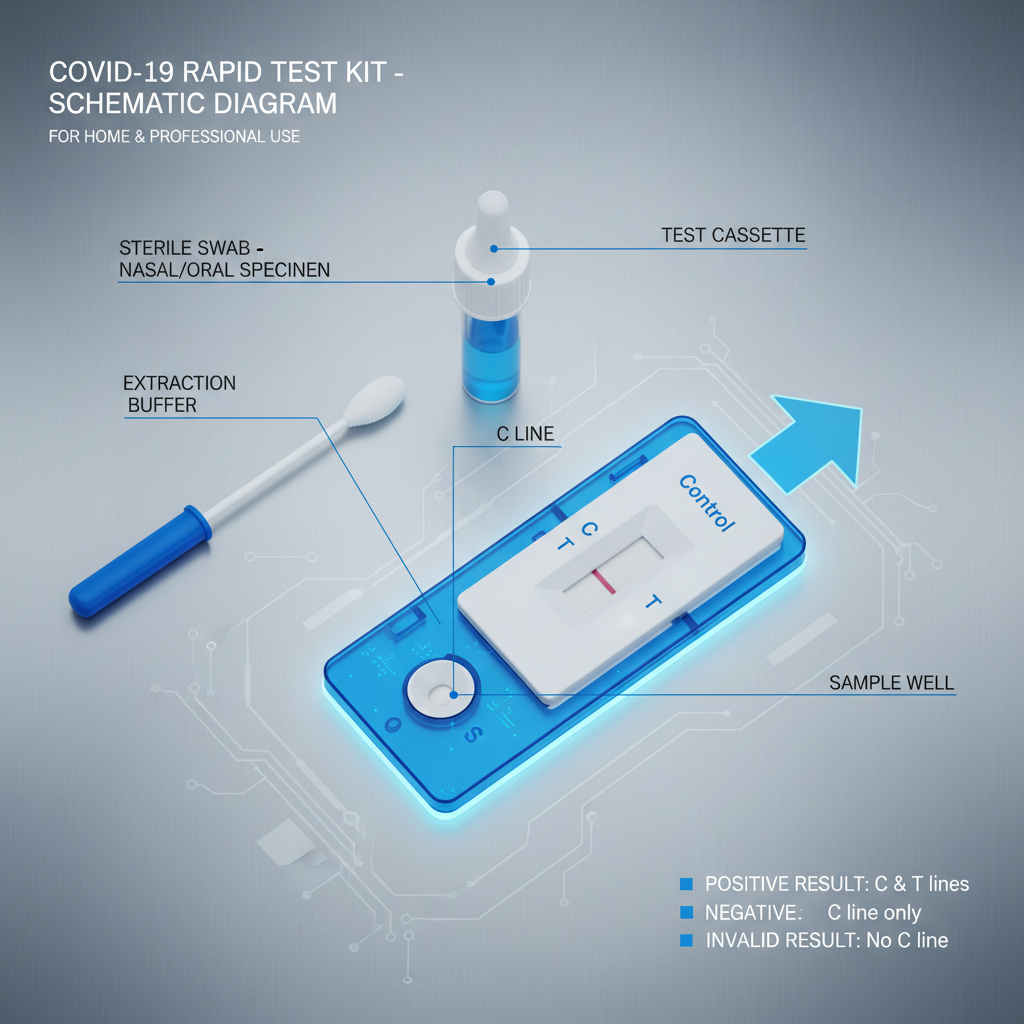
A COVID-19 rapid test kit, also known as a rapid antigen test, is designed to detect specific antigens from the SARS-CoV-2 virus. These tests are typically lateral flow assays, similar to home pregnancy tests, and provide results within 15-30 minutes. They are convenient, affordable, and can be performed without specialized laboratory equipment. While generally less sensitive than PCR tests, rapid tests are valuable for quickly identifying individuals who are likely to be infectious. This allows for prompt isolation and reduces the spread of the virus. Prisesbio offers a range of reliable rapid test kits to meet diverse testing needs.
Key Benefits: Convenient, fast results (15-30 minutes), affordable, easy to use, and no lab equipment needed.
Comparing COVID-19 Test Types: PCR vs. Rapid Antigen Tests
Understanding the differences between PCR and rapid antigen tests is vital for making informed decisions. PCR (Polymerase Chain Reaction) tests are highly accurate and detect the virus’s genetic material. They require laboratory processing and typically take 24-72 hours to return results. Rapid antigen tests, on the other hand, detect viral proteins (antigens) and offer quicker results, though they are generally less sensitive, particularly in detecting early-stage infections or individuals with low viral loads. The choice depends on the specific situation, such as travel requirements, symptom onset, and the need for speed versus accuracy.
Test Type Comparison:
• PCR Test: High accuracy, lab-based, longer turnaround time.
• Rapid Antigen Test: Fast results, convenient, less sensitive.
• Cost: PCR tests are generally more expensive than rapid antigen tests.
• Availability: Rapid antigen tests are more widely available for at-home use.
Choosing the Right COVID Test Kit Rapid for Your Needs
Selecting the appropriate covid test kit rapid depends on your specific requirements. If you need a highly accurate result for medical diagnosis or travel to a destination requiring PCR tests, a PCR test is the preferred option. However, if you need a quick result for peace of mind, to determine if you should isolate, or for initial screening before a PCR test, a rapid antigen test is a suitable choice. Consider the test's sensitivity, specificity, and regulatory approvals (like CE marking or FDA EUA) when making your decision.
Understanding Accuracy and Limitations
It’s important to acknowledge that rapid antigen tests have limitations. They may produce false negatives, particularly if the viral load is low. A negative result doesn’t definitively rule out infection. If you have symptoms, even with a negative rapid test, it’s recommended to consult a healthcare professional and consider a follow-up PCR test. Furthermore, adherence to proper testing procedures is crucial for accurate results. Always follow the instructions provided with your covid test kit carefully.
Where to Purchase Reliable COVID-19 Test Kits
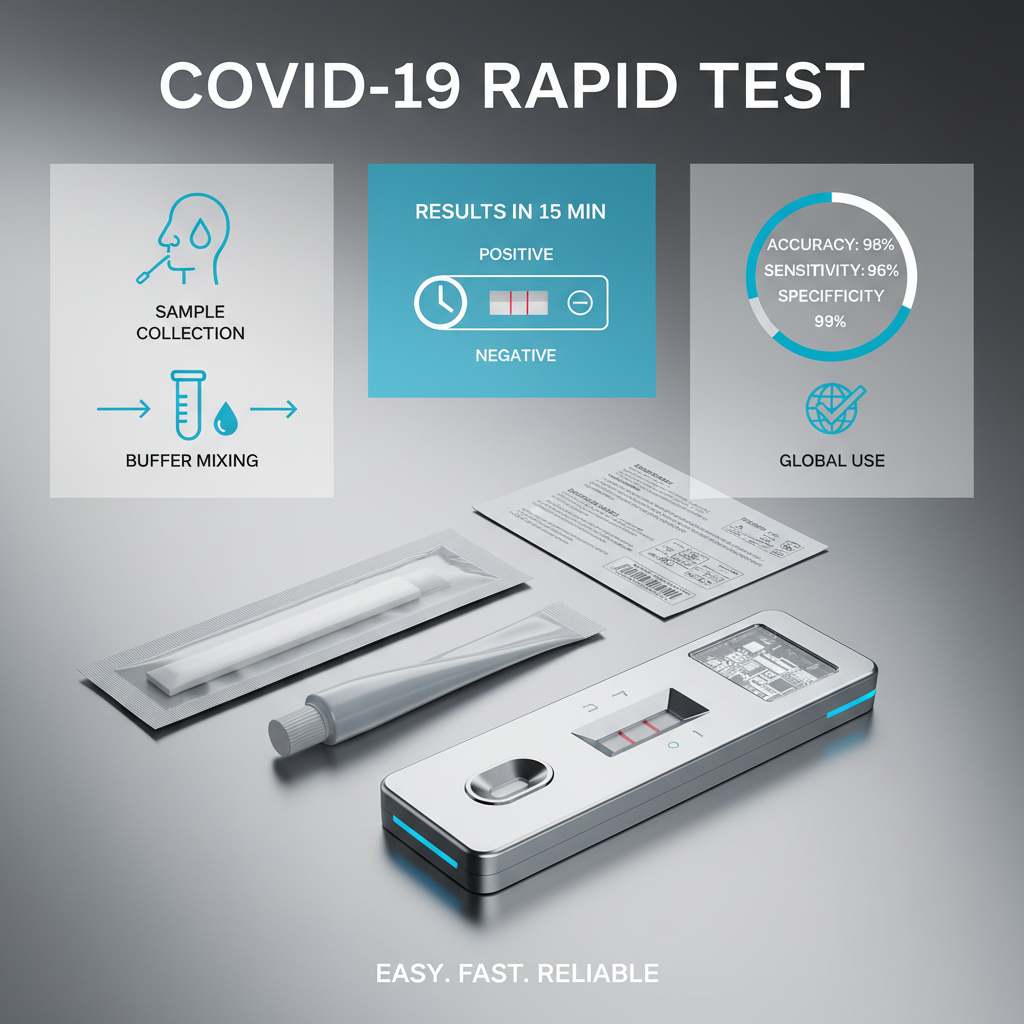
When purchasing a COVID-19 test kit, it’s crucial to choose a reputable supplier. Prisesbio provides a wide selection of high-quality, CE-marked and FDA EUA authorized rapid test kits. We prioritize accuracy and reliability, ensuring our customers have access to dependable testing solutions. We also offer competitive pricing and fast shipping to meet your urgent needs.
Conclusion: Staying Proactive with COVID-19 Testing
Staying informed and proactive with COVID-19 testing is vital for protecting yourself and your community. Prisesbio offers a range of reliable COVID test kits to empower you with the information you need. By understanding the different test types and choosing the right solution for your situation, you can contribute to a safer and healthier future.
Frequently Asked Questions (FAQs)
How accurate are rapid antigen tests compared to PCR tests?
Rapid antigen tests are generally less sensitive than PCR tests, meaning they may miss some cases, particularly those with low viral loads. PCR tests are considered the gold standard for accuracy. However, rapid antigen tests are highly specific, meaning they are very good at correctly identifying positive cases when the viral load is high enough to detect. Studies suggest that rapid tests accurately identify approximately 70-90% of infectious cases, making them valuable for quick screening and identifying individuals likely to be contagious. It is important to confirm a negative result with a PCR test if high accuracy is required.
What should I do if I get a positive result on a rapid antigen test?
If you receive a positive result on a rapid antigen test, it’s crucial to isolate immediately and follow the guidelines provided by your local health authorities. Contact your healthcare provider to discuss your result and potential next steps, such as a confirmatory PCR test. Inform close contacts of your positive result so they can get tested and take appropriate precautions. Staying home and avoiding contact with others is vital to prevent further spread of the virus.
Can I reuse a rapid antigen test kit?
No, rapid antigen test kits are designed for single use only. Reusing a kit can lead to inaccurate results due to contamination or degradation of the reagents. Each kit contains a specific amount of reagents necessary for a reliable test. Once the test has been performed, discard the used kit properly according to local regulations.
How should I store my COVID-19 test kit?
Store your COVID-19 test kit in a cool, dry place, away from direct sunlight and extreme temperatures. Do not freeze the kit. Always check the expiration date before use. Proper storage ensures the integrity of the reagents and the accuracy of the test results.
-
Buy at home covid test rapid covid test kit antigen test covid19
NewsApr.16,2026
-
Covid19 Antigent Test Kit Cassette Covid Test Rapid Diagnostic Covid 19 Antigen Rapid Test
NewsApr.09,2026
-
Comprehensive Guide to Antigen Covid Test Covid Saliva Test and Covid Test Kit 19 Options
NewsApr.07,2026
-
Comprehensive Guide to Test Kit Covid Covid19 Rapid Antigen Test Self Test Covid Options
NewsApr.04,2026
-
Comprehensive Guide to Rapid Test Kits COVID19 for Accurate Covid Self Test Results
NewsMar.31,2026
-
Comprehensive Guide to Rapid Antigen Test Kit Covid 19 Covid Rapid Test Kit Test Kit Covid 19
NewsMar.28,2026