

Feb . 26, 2026 01:45 Back to list
Comprehensive Guide to the AntiHCV Test and Hepatitis C Detection
Understanding the Anti-HCV Test: A Comprehensive Guide
The Anti-HCV test is a crucial diagnostic tool used to detect the presence of antibodies to the Hepatitis C virus (HCV). This test doesn't diagnose an active infection directly, but rather indicates whether an individual has been exposed to the virus and developed an immune response. Understanding the nuances of this test, its interpretation, and the follow-up procedures are essential for both healthcare professionals and individuals concerned about potential HCV exposure. Prisesbio offers comprehensive HCV testing services with rapid turnaround times and accurate results. Early detection and management are key to preventing chronic liver disease and other serious complications associated with Hepatitis C.

What Does the Anti-HCV Test Detect?
The Anti-HCV test identifies antibodies produced by the body in response to the Hepatitis C virus. Antibodies are proteins that recognize and neutralize foreign invaders like viruses. It's important to note that these antibodies don't necessarily mean a current infection is present. Antibodies can remain in the blood for years, even after the virus has been cleared, or in cases of chronic infection. A positive result usually warrants further testing to determine if the virus is actively replicating in the body.
Key Points: The test looks for antibodies, not the virus itself. A positive result requires confirmatory testing. Early detection is critical for effective management.
Interpreting Your Anti-HCV Test Results
Understanding your Anti-HCV test result is crucial. A negative result generally indicates that you have not been exposed to the Hepatitis C virus, or that your body hasn’t yet produced detectable antibodies. However, a negative result doesn't completely rule out an infection, especially if exposure occurred recently (within the first few months), as it takes time for antibodies to develop. A positive result indicates past or present exposure to HCV, but further testing is needed. This follow-up testing typically includes an HCV RNA test (viral load) to determine if an active infection exists. Prisesbio provides expert interpretation of test results and guidance on next steps.
Understanding Test Results:
• Negative: No detectable antibodies to HCV.
• Positive: Antibodies detected, requiring confirmatory testing.
• Indeterminate: Results are unclear and require repeat testing.
Anti-HCV Test vs. HCV RNA Test: What’s the Difference?
The Anti-HCV test and the HCV RNA test serve different purposes. The Anti-HCV test, as discussed, detects antibodies, indicating exposure. The HCV RNA test, also known as a viral load test, detects the actual virus (HCV RNA) in the blood. This test determines if there is an active infection and measures the amount of virus present. An HCV RNA test is used to confirm a positive Anti-HCV result and to monitor the effectiveness of antiviral treatment. It's the HCV RNA test that confirms a current infection.
Who Should Get Tested for Hepatitis C?
The CDC recommends that everyone aged 18 years and older get tested for Hepatitis C at least once in their lifetime. Individuals with specific risk factors should be tested regularly. These risk factors include: those who have ever injected drugs, received blood transfusions or organ transplants before 1992, were born to a mother with HCV, healthcare workers exposed to infected blood, and individuals with HIV. Prisesbio offers convenient and confidential testing options for all individuals.
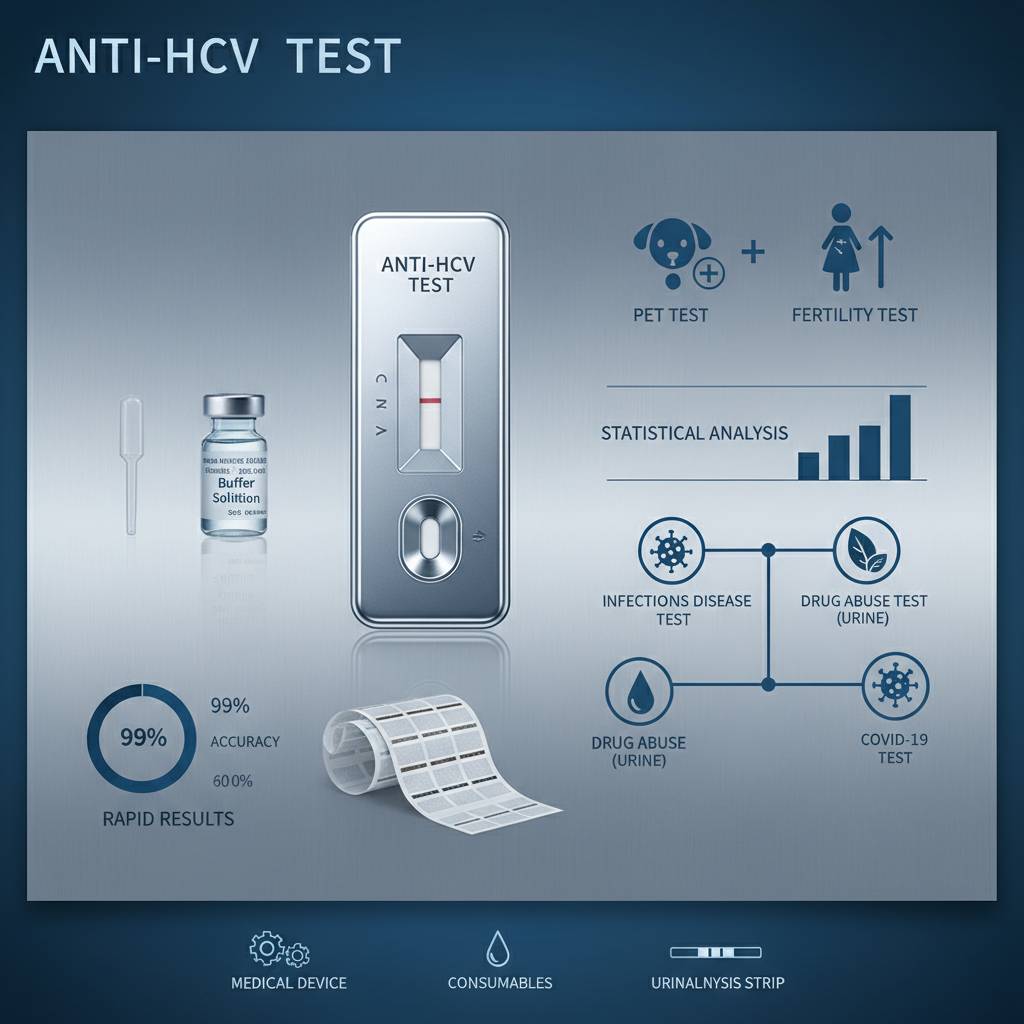
Prisesbio: Your Trusted Partner for HCV Testing
At Prisesbio, we are committed to providing accurate, reliable, and timely HCV testing services. Our state-of-the-art laboratory and experienced team ensure you receive the highest quality care. We offer a range of testing options, including Anti-HCV, HCV RNA (viral load), and genotype testing, to meet your individual needs. We prioritize patient confidentiality and offer discreet testing procedures.
Conclusion: Take Control of Your Health with Hepatitis C Testing
Early detection and management of Hepatitis C are vital for preventing serious health complications. Prisesbio is dedicated to empowering you with the knowledge and resources you need to protect your health. Don't delay – schedule your Anti-HCV test today.
Frequently Asked Questions (FAQs)
What does a positive Anti-HCV test mean?
A positive Anti-HCV test indicates that you have been exposed to the Hepatitis C virus and your body has produced antibodies. However, it doesn't necessarily mean you have an active infection. Further testing, specifically an HCV RNA test, is required to determine if the virus is currently replicating in your system. It's essential to consult with a healthcare professional to interpret the results and discuss appropriate follow-up steps. A positive result does not mean you are automatically symptomatic; many people live with chronic HCV for years without experiencing noticeable symptoms.
How long after exposure will antibodies be detectable?
Antibodies to HCV typically take 6-12 weeks to become detectable after initial exposure. This period is known as the window period. If you've been recently exposed, a negative Anti-HCV test result might not be accurate. Repeat testing after the window period is recommended to ensure accurate results. Factors like individual immune response and the amount of virus exposure can influence the time it takes for antibodies to develop.
Is Hepatitis C curable?
Yes, Hepatitis C is now curable in most cases thanks to the development of highly effective direct-acting antiviral (DAA) medications. These medications have a cure rate of over 95% and typically involve a course of oral therapy lasting 8-12 weeks. Early diagnosis and treatment are crucial for preventing liver damage and other serious complications associated with chronic Hepatitis C infection. Prisesbio can facilitate testing and connect you with appropriate treatment options.
What if my test results are indeterminate?
An indeterminate result means the test didn’t provide a clear positive or negative result. This can happen for several reasons, including recent exposure or certain medical conditions. Your healthcare provider will likely recommend repeat testing after a few weeks or months to see if a clearer result emerges. Further investigation may also be needed to determine the cause of the indeterminate result. It’s important not to panic; it simply means more information is needed.
-
Buy at home covid test rapid covid test kit antigen test covid19
NewsApr.16,2026
-
Covid19 Antigent Test Kit Cassette Covid Test Rapid Diagnostic Covid 19 Antigen Rapid Test
NewsApr.09,2026
-
Comprehensive Guide to Antigen Covid Test Covid Saliva Test and Covid Test Kit 19 Options
NewsApr.07,2026
-
Comprehensive Guide to Test Kit Covid Covid19 Rapid Antigen Test Self Test Covid Options
NewsApr.04,2026
-
Comprehensive Guide to Rapid Test Kits COVID19 for Accurate Covid Self Test Results
NewsMar.31,2026
-
Comprehensive Guide to Rapid Antigen Test Kit Covid 19 Covid Rapid Test Kit Test Kit Covid 19
NewsMar.28,2026