

Mar . 14, 2026 01:45 Back to list
Comprehensive Guide to COVID19 Testing Including COVID 19 Test Kit Home and COVID Rapid Antigen Test Kit
Understanding COVID-19 Testing: Options for Home and Professional Use
The COVID-19 pandemic continues to require proactive health monitoring. Access to reliable testing remains crucial for individuals and businesses alike. This article explores the different types of COVID-19 tests available, focusing on COVID 19 test kit home options and the speed and accuracy of COVID rapid antigen test kits. We'll delve into the benefits and limitations of each, helping you make informed decisions about your testing needs. Staying informed and taking preventative measures are key to navigating the ongoing health landscape.
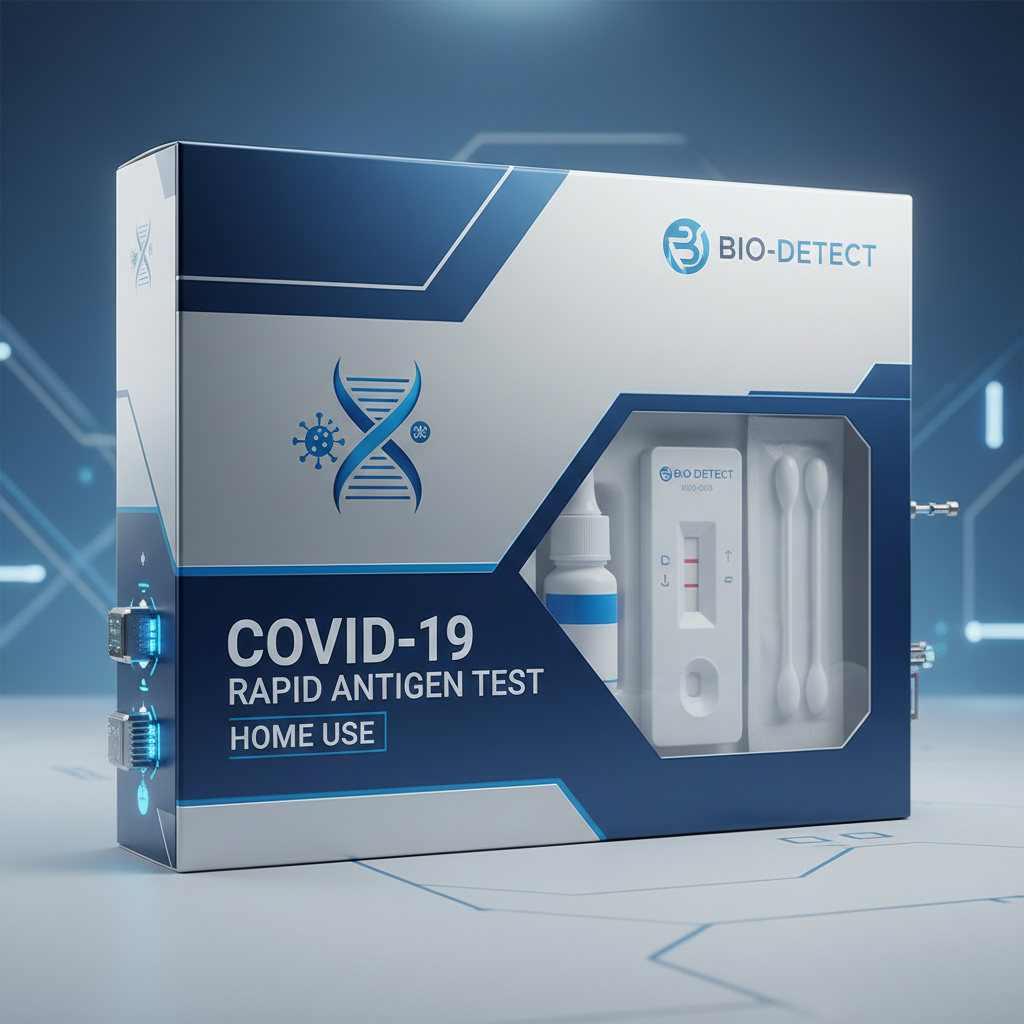
Types of COVID-19 Tests: A Comprehensive Overview
There are primarily two categories of COVID-19 tests: PCR (Polymerase Chain Reaction) tests and Antigen tests. PCR tests are considered the "gold standard" due to their high accuracy. They detect the virus’s genetic material and are typically processed in a laboratory. Antigen tests, also known as rapid tests, detect specific proteins on the surface of the virus. These tests are faster and can be performed at home or at a point-of-care facility. Understanding the differences is vital in choosing the right test for your situation. Prisesbio offers a range of reliable testing solutions to meet various needs.
Key Highlights: PCR tests detect the virus’s genetic material with high accuracy, while antigen tests detect viral proteins for faster results.
When to Choose a COVID 19 Test Kit Home
A COVID 19 test kit home is an excellent option for initial screening, especially if you're experiencing mild symptoms or have been exposed to someone who has tested positive. Home tests provide quick results, allowing you to take appropriate action, such as isolating or seeking further medical attention. They are convenient and accessible, eliminating the need to travel to a testing site. However, it’s important to remember that home antigen tests are generally less sensitive than PCR tests. Positive results are highly likely to be accurate, but negative results may need confirmation with a PCR test.
Benefits of Home Testing:
• Convenience and accessibility
• Rapid results
• Quick action in case of positive results
• Reduced exposure risk
COVID Rapid Antigen Test Kit: Speed and Accuracy Compared
A COVID rapid antigen test kit provides results within 15-30 minutes. While they are not as sensitive as PCR tests, rapid antigen tests are highly effective at detecting the virus when viral loads are high – typically during the most infectious period. This makes them a valuable tool for quickly identifying and isolating individuals who could spread the virus. Prisesbio's rapid antigen tests are designed for accuracy and ease of use, providing reliable results you can trust.
Choosing the Right Test: A Flowchart for Decision Making
Selecting the appropriate COVID-19 test depends on your specific circumstances. If you have symptoms or known exposure, a rapid antigen test can provide a quick initial assessment. If you require a definitive diagnosis or your rapid test is negative but symptoms persist, a PCR test is recommended. Consider the turnaround time, cost, and accuracy of each test when making your decision. Prisesbio provides resources and guidance to help you navigate the testing options.
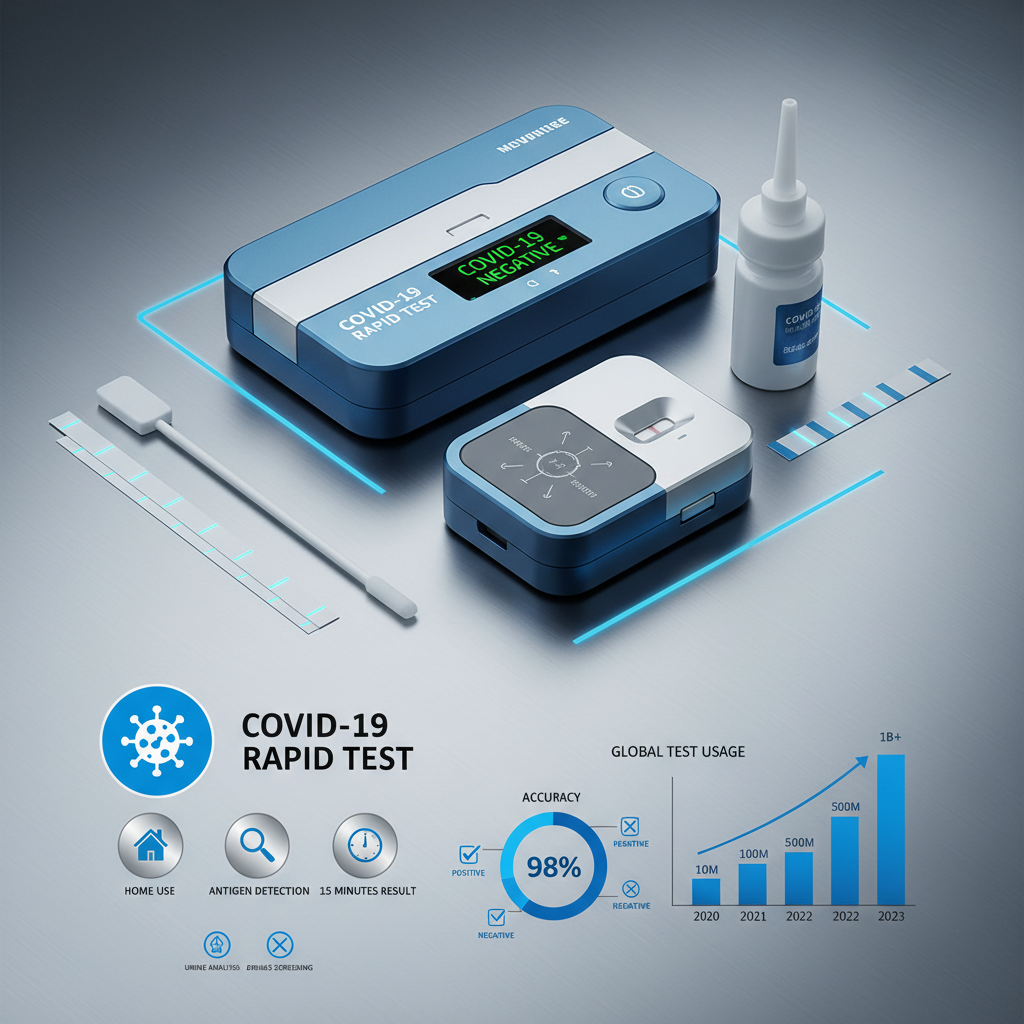
Understanding False Positives and False Negatives
It’s important to understand that no test is 100% accurate. False positives (a positive result when you don't have the virus) and false negatives (a negative result when you do have the virus) can occur. False negatives are more common with rapid antigen tests, especially early in the infection or when viral loads are low. That's why repeated testing may be recommended. Prisesbio emphasizes the importance of following recommended testing protocols and seeking medical advice if you have concerns.
Conclusion: Empowering You with Reliable Testing Solutions
Choosing the right COVID-19 test is crucial for protecting yourself and others. Whether you opt for a COVID 19 test kit home or a lab-processed PCR test, Prisesbio offers accurate, reliable, and accessible testing solutions. Stay informed, follow public health guidelines, and prioritize your health and safety.
Frequently Asked Questions (FAQs)
What is the difference between a PCR test and an antigen test?
PCR tests detect the genetic material of the virus, making them highly accurate and sensitive. However, they require laboratory processing, resulting in a longer turnaround time. Antigen tests, on the other hand, detect specific viral proteins, providing rapid results but with potentially lower sensitivity. PCR tests are best for confirming infections, while antigen tests are useful for quick screening, especially when rapid results are needed. Ultimately, the choice depends on your individual needs and the context of your testing situation.
How accurate are at-home COVID-19 test kits?
At-home COVID-19 test kits, typically antigen tests, are generally accurate, especially when used correctly. However, they may be less sensitive than PCR tests, meaning they might miss cases with low viral loads. Positive results are highly reliable. If you test negative but have symptoms, it’s recommended to confirm the result with a PCR test. Following the instructions carefully and performing the test correctly are crucial for obtaining accurate results.
What should I do if I test positive for COVID-19?
If you test positive for COVID-19, it's essential to isolate yourself immediately to prevent further spread. Follow the guidelines of your local health authorities regarding isolation duration and precautions. Inform your close contacts so they can get tested and monitor for symptoms. Consult with a healthcare professional for advice on managing your symptoms and potential treatment options.
How long are COVID-19 test results valid?
The validity of COVID-19 test results can vary depending on the purpose of the test. For travel, many destinations have specific requirements regarding the testing timeframe (e.g., within 72 hours of departure). For healthcare or workplace purposes, the validity may be determined by the specific policies of the institution. It's crucial to check the specific requirements for your intended purpose to ensure your test result is accepted.
-
Buy at home covid test rapid covid test kit antigen test covid19
NewsApr.16,2026
-
Covid19 Antigent Test Kit Cassette Covid Test Rapid Diagnostic Covid 19 Antigen Rapid Test
NewsApr.09,2026
-
Comprehensive Guide to Antigen Covid Test Covid Saliva Test and Covid Test Kit 19 Options
NewsApr.07,2026
-
Comprehensive Guide to Test Kit Covid Covid19 Rapid Antigen Test Self Test Covid Options
NewsApr.04,2026
-
Comprehensive Guide to Rapid Test Kits COVID19 for Accurate Covid Self Test Results
NewsMar.31,2026
-
Comprehensive Guide to Rapid Antigen Test Kit Covid 19 Covid Rapid Test Kit Test Kit Covid 19
NewsMar.28,2026