

Feb . 27, 2026 01:45 Back to list
Comprehensive Guide to the HCV Antibody Test and Hepatitis C Screening
Understanding the HCV Antibody Test: A Comprehensive Guide
The HCV antibody test is a crucial diagnostic tool used to detect the presence of antibodies to the Hepatitis C virus (HCV). This test is typically the first step in screening for Hepatitis C infection. It doesn't detect the virus itself, but rather the body's immune response to it. Understanding the process, its implications, and follow-up tests is vital for anyone concerned about potential exposure. This article will provide a thorough overview of the HCV antibody test, its significance, and what results mean, alongside resources available at PrisesBio.
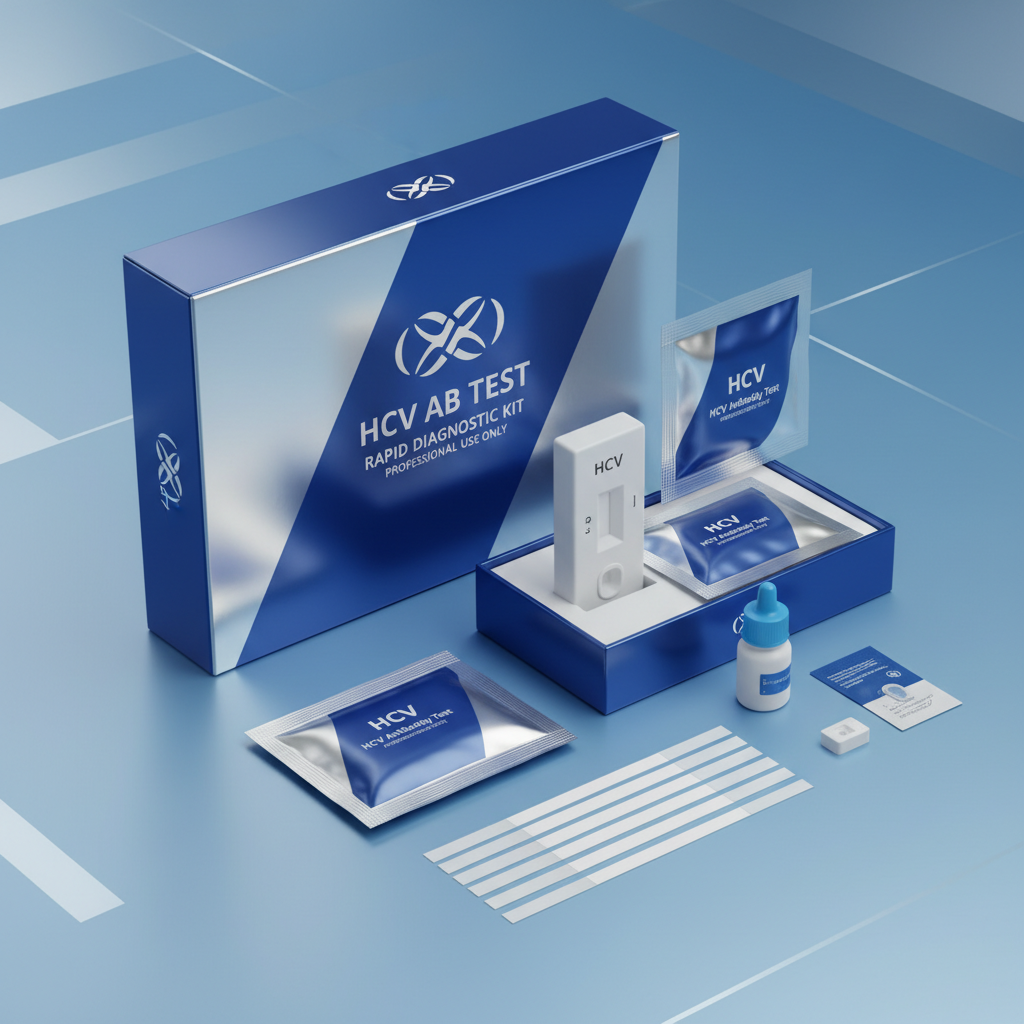
What Does the HCV Antibody Test Detect?
The HCV antibody test looks for antibodies – proteins produced by your immune system in response to an infection. These antibodies become detectable several weeks to months after initial infection. It's important to remember that a positive result doesn't necessarily mean you have an active Hepatitis C infection. It simply indicates you've been exposed to the virus at some point. Exposure can occur through blood-to-blood contact, such as sharing needles, accidental needlesticks, or less commonly, from mother to child during birth. At PrisesBio, we offer reliable and accurate HCV antibody testing with confidential results.
Key Takeaway: The test identifies your body’s immune response to HCV, not the virus itself. A positive result needs further confirmation.
Interpreting Your HCV Antibody Test Results
There are two primary outcomes: Positive and Negative. A positive result means antibodies to HCV were detected. This necessitates a follow-up test called an HCV RNA test (or viral load test) to determine if you have an active infection. A negative result suggests you haven't been exposed to the virus, or that your body hasn’t yet produced detectable antibodies. However, if you suspect recent exposure, repeat testing may be recommended after a certain period, typically 12 weeks, as it takes time for antibodies to develop. Our team at PrisesBio can help you interpret your results and guide you through the next steps.
Understanding Results:
• Positive: Antibodies detected – requires further testing.
• Negative: No antibodies detected – may need repeat testing if recent exposure is suspected.
HCV Antibody Test vs. HCV RNA Test: What's the Difference?
It’s crucial to understand the distinction between these two tests. The HCV antibody test identifies past or present exposure, while the HCV RNA test detects the presence of the virus’s genetic material (RNA) in the blood. An HCV RNA test confirms an active infection and is used to monitor viral load and treatment effectiveness. The antibody test is a screening tool, while the RNA test is a confirmatory diagnostic test. PrisesBio offers both tests for a comprehensive approach to Hepatitis C diagnosis.
Who Should Get Tested for Hepatitis C?
The CDC recommends one-time HCV testing for all adults aged 18 years and older, as many people are unaware they are infected. Individuals with specific risk factors should be tested regularly. These include people who have ever injected drugs, received blood transfusions before 1992, have HIV, were born to a mother with Hepatitis C, or have undergone hemodialysis. Early detection and treatment can significantly improve outcomes and prevent serious liver damage. PrisesBio makes testing accessible and confidential.
PrisesBio: Your Trusted Partner for HCV Testing
At PrisesBio, we provide accurate, reliable, and confidential HCV antibody testing services. Our experienced team is dedicated to providing you with clear, understandable results and personalized support. We understand the anxiety surrounding potential Hepatitis C exposure, and we’re committed to making the testing process as smooth and stress-free as possible. We prioritize your health and well-being.
Conclusion
The HCV antibody test is a vital step in identifying potential Hepatitis C exposure. Understanding the test's purpose, interpreting the results, and knowing when to seek further testing are crucial for protecting your health. PrisesBio is here to provide you with the reliable testing and support you need.
Frequently Asked Questions (FAQs)
How long does it take to get HCV antibody test results?
Typically, results are available within 1-3 business days, depending on the laboratory processing time. At PrisesBio, we strive to provide prompt results while maintaining the highest level of accuracy. We'll notify you as soon as your results are available through our secure online portal. The turnaround time can also depend on the testing method employed by the specific lab.
What if my HCV antibody test is positive?
A positive result indicates you’ve been exposed to the Hepatitis C virus. It doesn’t automatically mean you have an active infection. The next step is an HCV RNA test to determine if the virus is currently present in your blood. If the RNA test is positive, you have a chronic Hepatitis C infection and should consult with a healthcare professional for treatment options.
Does a negative HCV antibody test rule out infection completely?
Not necessarily. If you recently been exposed, it can take several weeks or even months for your body to develop detectable antibodies. A negative result doesn’t guarantee you are uninfected, especially if you have had a recent potential exposure. Repeat testing after 12 weeks is recommended in such cases. It’s also important to remember the test only detects antibodies, not the virus itself.
Is the HCV antibody test painful?
The HCV antibody test involves a simple blood draw, which may cause a brief, mild discomfort. A qualified phlebotomist will perform the blood draw, and the process is generally quick and well-tolerated. We prioritize patient comfort and ensure a safe and professional testing experience.
-
Buy at home covid test rapid covid test kit antigen test covid19
NewsApr.16,2026
-
Covid19 Antigent Test Kit Cassette Covid Test Rapid Diagnostic Covid 19 Antigen Rapid Test
NewsApr.09,2026
-
Comprehensive Guide to Antigen Covid Test Covid Saliva Test and Covid Test Kit 19 Options
NewsApr.07,2026
-
Comprehensive Guide to Test Kit Covid Covid19 Rapid Antigen Test Self Test Covid Options
NewsApr.04,2026
-
Comprehensive Guide to Rapid Test Kits COVID19 for Accurate Covid Self Test Results
NewsMar.31,2026
-
Comprehensive Guide to Rapid Antigen Test Kit Covid 19 Covid Rapid Test Kit Test Kit Covid 19
NewsMar.28,2026