Advanced Diagnostic Solutions for Bolivia: High-Precision dengue rapid test kit

Empowering Bolivian healthcare providers with rapid, reliable, and accessible diagnostic tools to combat regional endemic diseases and maternal health challenges.

Advanced Diagnostic Solutions for Bolivia: High-Precision dengue rapid test kit

Our comprehensive suite of rapid diagnostic tests is engineered to meet the unique epidemiological needs of the Bolivian market, ensuring rapid intervention and improved patient outcomes.

The Landscape of Diagnostic Testing in Bolivia

Analyzing the intersection of geography, climate, and medical accessibility in the Andean and Amazonian regions.

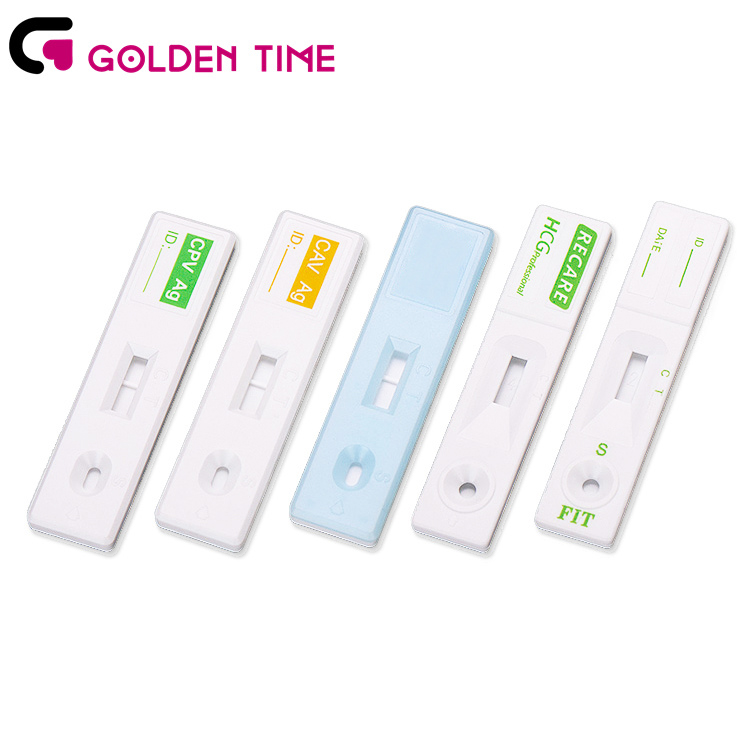
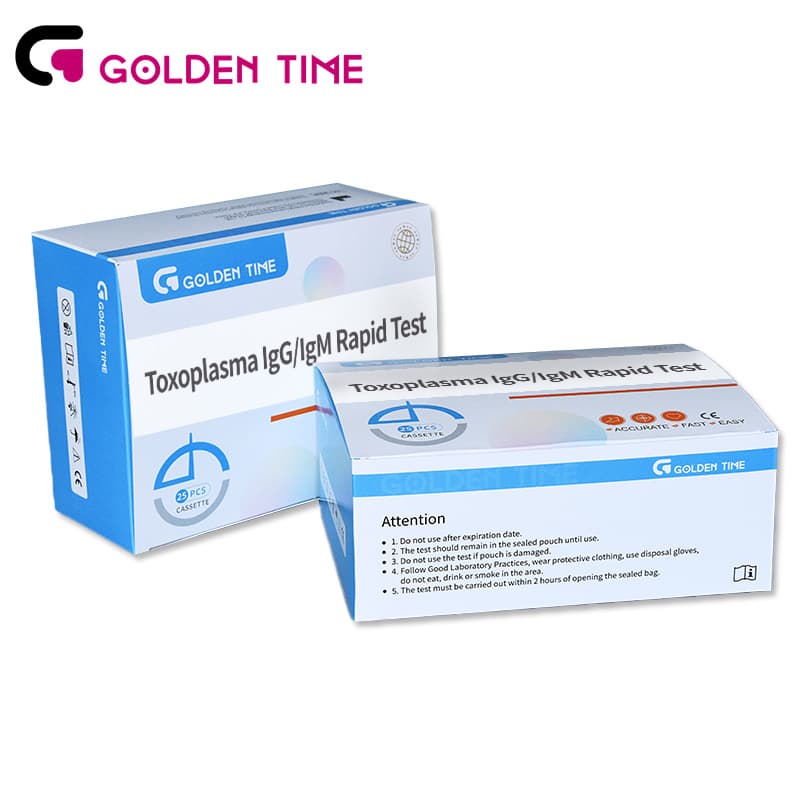
Bolivia's diverse geography, ranging from the high-altitude Altiplano to the humid tropical lowlands of Santa Cruz, creates distinct healthcare challenges. In the tropical regions, the prevalence of vector-borne diseases necessitates the widespread deployment of the dengue rapid test kit to allow for immediate triage in areas with limited laboratory infrastructure.

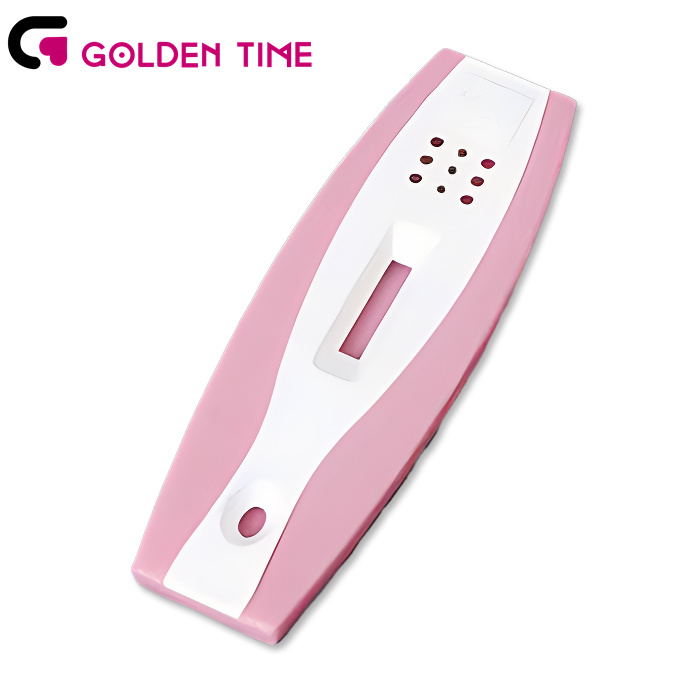
Economic disparities and remote rural settlements often delay access to centralized hospitals. This has driven a critical demand for point-of-care (POC) tools, such as the pregnancy test card and various infectious disease screens, which enable community health workers to provide essential screenings without requiring cold-chain logistics over long distances.

Furthermore, the seasonal nature of respiratory infections in the colder highlands increases the burden on primary care clinics. The integration of the influenza rapid test kit into routine seasonal screening has become vital for preventing hospital overcrowding and ensuring timely antiviral treatment for vulnerable populations.
Evolution of Medical Diagnostics in the Bolivian Market

From laboratory-dependent assays to the era of instant lateral flow immunoassay (LFA) technology.

Market Development History

Prior to 2010, diagnostic capabilities in Bolivia were heavily centralized in La Paz and Santa Cruz, relying on time-consuming ELISA and culture-based methods. Patients in remote areas often waited days for results, which significantly hindered the management of acute infections.

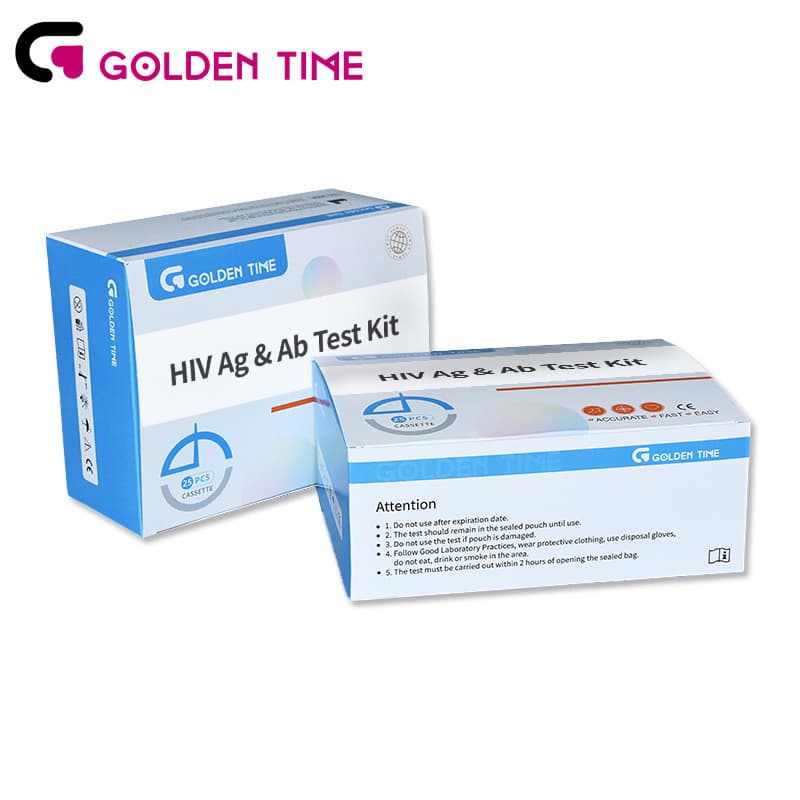
Between 2010 and 2019, there was a strategic shift toward the adoption of rapid diagnostic tests (RDTs). The introduction of the hiv test kit set in community outreach programs revolutionized early detection and antiretroviral therapy (ART) initiation across the country.

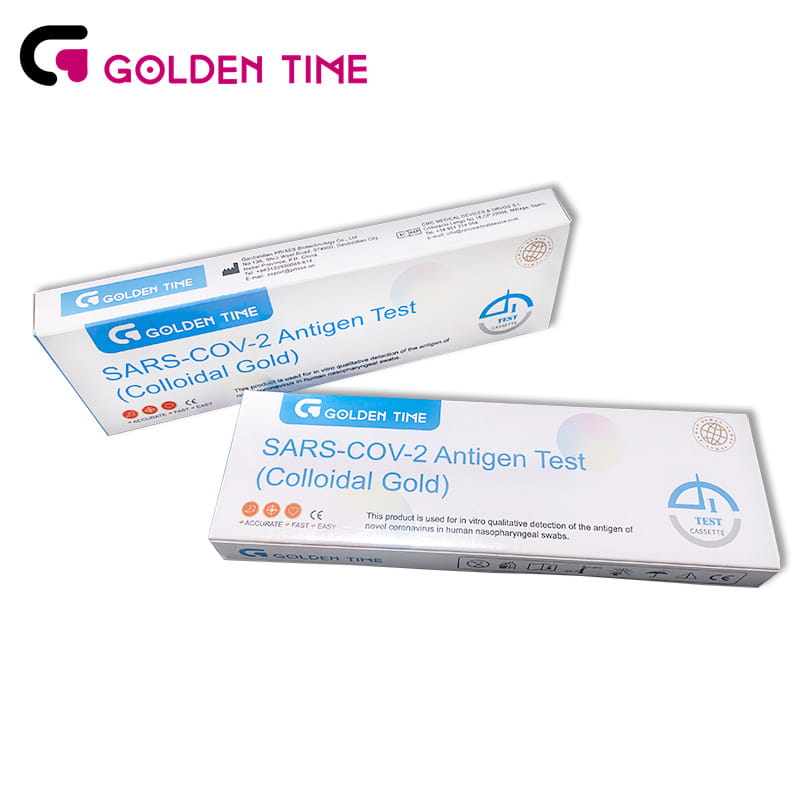
Post-2020, the global pandemic accelerated the digitalization of health records and the mass adoption of the covid quick test. This period marked a transition toward high-sensitivity molecular-grade rapid tests that combine speed with diagnostic accuracy.

Future Development Trends

Multiplexing Capabilities

The shift toward single-sample multiplexing will allow clinicians to test for Dengue, Zika, and Chikungunya simultaneously, optimizing resource use in tropical zones.

Enhanced Thermal Stability

Development of reagents that remain stable at higher temperatures without refrigeration to better serve the humid lowland regions of Bolivia.

Integration with Digital Health

The emergence of "Smart-Tests" where results can be captured via smartphone apps and uploaded to national health databases for real-time epidemiological tracking.

Industry Trends and Future Outlook

Predicting the trajectory of diagnostic manufacturing and deployment for the next 3-5 years.

Decentralization of Care
Moving diagnostic power from central hospitals to rural clinics and home-use kits to reduce urban medical congestion.
Biomarker Expansion
Expanding beyond basic antigens to include more specific biomarkers for earlier disease detection in acute phases.
Sustainable Manufacturing
Implementing biodegradable plastics and eco-friendly reagents to reduce the medical waste footprint in the Amazon basin.
AI-Driven Triage
Using AI image recognition to interpret test lines, reducing human error and providing a digital record of the result.

Industry Outlook

Google search trends in South America indicate a growing interest in "self-testing" and "home health monitoring." In Bolivia, this is manifesting as a demand for user-friendly, non-invasive tests that can be administered without professional medical supervision, particularly for maternal health and routine virus screening.

Over the next five years, we expect the Bolivian Ministry of Health to prioritize the integration of rapid diagnostics into the primary healthcare system (SAFCI), making high-sensitivity kits the gold standard for initial screening before confirmatory PCR testing.

Localized Application Scenarios in Bolivia

Practical implementations of rapid diagnostics across different Bolivian ecological and social strata.

1. Tropical Lowland Fever Screening

In Santa Cruz and Beni, where mosquito-borne illnesses are endemic, the dengue rapid test kit is used in mobile clinics to distinguish between dengue and other febrile illnesses instantly.

2. Rural Maternal Health Outreach

In remote Potosí and Oruro villages, the pregnancy test card provides immediate confirmation for prenatal care entry, ensuring women receive nutritional support early in their pregnancy.

3. Urban Respiratory Triage

During the winter months in La Paz, the influenza rapid test kit is deployed in pharmacy-based clinics to reduce the strain on public hospitals by managing mild cases at home.

4. Community HIV Prevention Programs

NGOs operating in the Amazonian frontier utilize the hiv test kit set for anonymous, rapid screening during health fairs to increase the detection rate in underserved populations.

5. Pandemic Preparedness & Border Control

At key border crossings and airports, the covid quick test remains a primary tool for screening travelers to prevent the introduction of new variants into the interior of the country.

Brand Story

Global Development Journey of Gaobeidian Prisesbio Technology Co., Ltd.

Foundation of Precision

Prisesbio began with a vision to democratize healthcare by creating medical devices that balance extreme precision with low-cost accessibility for developing nations.

R&D Breakthroughs

We invested heavily in gold nanoparticle and fluorescence immunoassay technology, ensuring our rapid tests rival traditional laboratory results in sensitivity.

Global Expansion

Expanding into the South American market, we tailored our product stability to withstand varied climates, specifically focusing on high-humidity and high-altitude regions.

Pandemic Response

Our rapid scaling of diagnostic production during global health crises proved our ability to deliver millions of high-quality tests to the most remote areas of the world.

Commitment to Future Health

Today, we continue to innovate, focusing on early cancer screening and complex infectious disease panels to save lives through early detection.

Comprehensive Diagnostic Portfolio for Bolivia

A full spectrum of rapid testing solutions tailored for Bolivian clinical and community needs.

Common Questions Regarding Rapid Diagnostics in Bolivia

Expert answers to the most frequent technical and logistical queries from our regional partners.

How does the dengue rapid test kit perform in the high humidity of Santa Cruz?

Our kits are sealed in medical-grade moisture-proof aluminum foil with high-quality desiccant, ensuring stability and accuracy even in the high-humidity tropical climates of Bolivia.

What is the sensitivity of your pregnancy test card for early detection?

Our pregnancy tests are designed to detect hCG levels as low as 25mIU/ml, providing reliable results as early as a few days before the expected menstrual period.

Can the influenza rapid test kit distinguish between different strains?

Yes, our professional kits offer differential detection for Influenza A and B, which is critical for epidemiological monitoring and treatment selection in Bolivian clinics.

Is the hiv test kit set suitable for use in remote community screening?

Absolutely. The kit is designed for ease of use with minimal training and requires no refrigeration, making it ideal for mobile health units in remote Bolivian territories.

How quickly can I get a result from the covid quick test?

The results are typically available within 15 to 20 minutes, providing a rapid turnaround that is essential for triage and travel screening.

Do these rapid tests require professional laboratory equipment for reading?

No, all mentioned kits are designed as lateral flow assays that provide a clear visual read (colored lines), eliminating the need for expensive equipment in the field.

Partner with Prisesbio Today

Looking for high-quality diagnostic supplies in Bolivia? Our team is ready to provide technical support and bulk supply chains to enhance your healthcare delivery.

Contact Us Now

If you are interested in our products, you can choose to leave your information here, and we will be in touch with you shortly.