
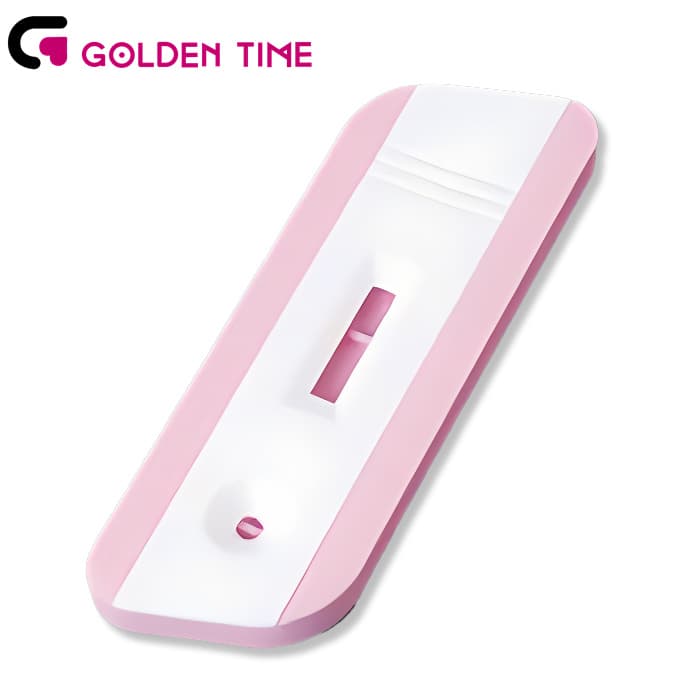



Chile's healthcare infrastructure is characterized by a strong centralized system, yet it faces significant geographic challenges. From the arid north to the glacial south, the demand for decentralized testing, such as the pregnancy test card, remains high to ensure equitable access to maternal health services in remote Andean communities.
The regional climate and increasing urban density in Santiago have led to periodic spikes in respiratory infections. Consequently, the integration of the influenza rapid test kit has become a priority for public health clinics to reduce the burden on emergency departments during winter surges.
Furthermore, emerging environmental shifts in South America have increased the risk of vector-borne diseases. The deployment of a high-sensitivity dengue rapid test kit is now critical for early detection in coastal and northern regions where mosquito populations are fluctuating due to temperature changes.