
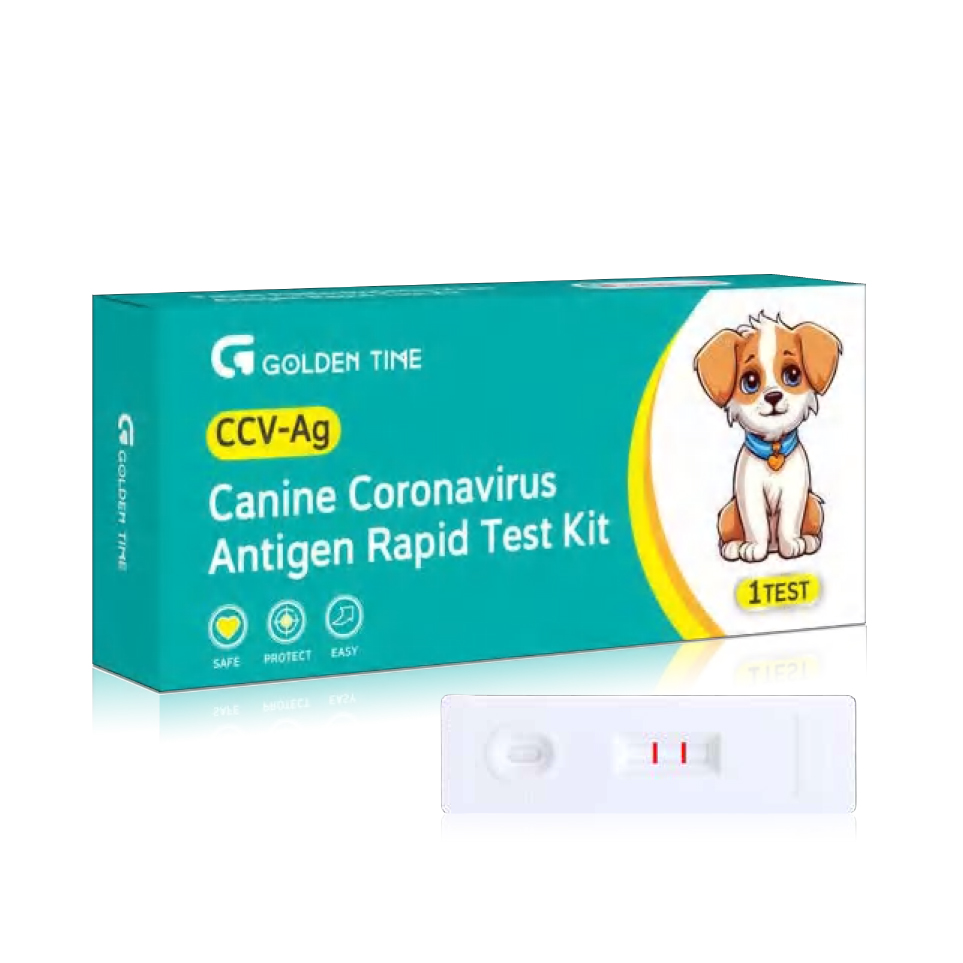
Advanced Diagnostic Solutions for dengue rapid test kit in Pakistan

Providing high-sensitivity, rapid diagnostic tools to combat infectious diseases and improve maternal health across the diverse landscape of Pakistan.

Advanced Diagnostic Solutions for dengue rapid test kit in Pakistan

Our comprehensive range of rapid diagnostic tests ensures timely detection and effective management of acute febrile illnesses and reproductive health needs in Pakistan's clinical settings.

The Diagnostic Landscape in Pakistan

Analyzing the challenges of rapid disease screening in South Asia's complex environment.

Pakistan faces a unique burden of infectious diseases driven by high population density and seasonal monsoon floods. The prevalence of vector-borne diseases makes the deployment of a high-quality dengue rapid test kit critical for preventing outbreaks in urban centers like Karachi and Lahore.

Economically, there is a significant shift toward Point-of-Care Testing (POCT). Due to the vast distance between rural villages and tertiary hospitals, there is an urgent demand for affordable tools such as the pregnancy test card to provide immediate health insights to underserved women.

Furthermore, the seasonal surge of respiratory infections requires robust screening infrastructure. The integration of an influenza rapid test kit into primary healthcare clinics is essential to reduce the pressure on overburdened public hospitals during winter peaks.
Evolution of Diagnostic Technology in Pakistan

From laboratory-centric testing to instantaneous bedside results.

Market Development History

Historically, diagnostic screening in Pakistan relied heavily on centralized laboratories using traditional ELISA and culture methods. Between 2000 and 2010, the shift toward lateral flow assays began, allowing for the first widespread use of the hiv test kit set in community clinics to improve early detection.

From 2011 to 2019, the market saw a surge in "Rapid Diagnostic Tests" (RDTs). The technology evolved from basic qualitative markers to high-sensitivity monoclonal antibodies, significantly reducing the false-negative rates for endemic diseases.

The 2020 global health crisis acted as a catalyst, accelerating the adoption of molecular and antigen-based tests. The massive rollout of the covid quick test established a new standard for rapid turnaround times and decentralized testing across all provinces.

Future Development Trends

Digital Integration of POCT

Future diagnostics will likely integrate QR-coded results that sync with national health databases in Pakistan to track disease hotspots in real-time.

Multiplexing Capabilities

Transitioning from single-pathogen tests to panels that can differentiate between dengue, malaria, and zika from a single blood drop.

Enhanced Thermal Stability

Developing reagents that remain stable at 40°C+ without cold-chain reliance, crucial for Pakistan's rural hot zones.

Industry Trends and Future Outlook

Strategic directions for medical device manufacturing in the Pakistani market.

Cold-Chain Independence
Development of lyophilized reagents to eliminate dependence on refrigerated transport in remote areas.
AI-Driven Interpretation
Using smartphone apps to analyze test lines, reducing human error in reading faint results.
Eco-Friendly Materials
Reducing plastic waste in rapid test cassettes by utilizing biodegradable polymers.
Regulatory Alignment
Strict adherence to DRAP (Drug Regulatory Authority of Pakistan) guidelines for faster registration.

Industry Outlook

Based on Google Search trends, there is an increasing volume of queries regarding home-based health screening in Pakistan. This suggests a shift from hospital-dependent diagnostics to consumer-led health monitoring, favoring rapid tests that are easy to use without clinical supervision.

The next 3-5 years will likely see the integration of biosensors with rapid test formats, providing semi-quantitative results that help physicians determine the severity of an infection rather than just a binary yes/no answer.

Localized Application Scenarios in Pakistan

Practical deployment of rapid diagnostics across various Pakistani environments.

01. Urban Fever Screening Centers

During monsoon seasons in cities like Lahore, clinics utilize the dengue rapid test kit to quickly triage patients and prevent the collapse of emergency rooms.

02. Rural Maternal Health Clinics

In the Sindh and Balochistan provinces, the pregnancy test card is deployed in basic health units (BHUs) to ensure early prenatal care for remote populations.

03. Industrial Workforce Health Checks

Factories in Faisalabad implement the covid quick test for mandatory entry screening to maintain operational continuity and worker safety.

04. Seasonal Flu Monitoring in Schools

Educational institutions use the influenza rapid test kit during winter months to identify sick students and minimize school-wide transmission.

05. Anonymous Community Health Camps

Non-profit organizations utilize the hiv test kit set in mobile clinics to provide discreet and rapid screening in high-risk areas.

Brand Story

The Global Development Journey of Gaobeidian Prisesbio Technology Co., Ltd.

Foundational Excellence

Established with a vision to democratize diagnostics, we began by mastering the precision of lateral flow chemistry in our state-of-the-art facility.

Global Quality Standardization

We achieved international certifications, ensuring every test kit produced meets the rigorous safety and efficacy standards required by global health authorities.

Strategic Market Expansion

Expanding into Asia and Africa, we tailored our product lines to solve the "last-mile" diagnostic challenge in resource-limited settings.

Crisis Response Innovation

During the global pandemic, our R&D team accelerated the production of high-sensitivity antigen tests to save lives worldwide.

Commitment to Future Health

Today, we continue to innovate, focusing on multiplexing and digital diagnostics to provide a healthier future for all.

Complete Diagnostic Portfolio for Pakistan

A comprehensive suite of rapid tests designed for the clinical and home-care needs of the Pakistani population.

Common Questions in Pakistan

Expert answers to the most frequent inquiries regarding rapid diagnostic kits.

How accurate is a covid quick test compared to PCR in Pakistan?

While PCR remains the gold standard, our antigen-based tests offer high sensitivity for detecting active infections, providing results in 15 minutes, which is ideal for rapid screening.

When is the best time to use a dengue rapid test kit after fever starts?

For optimal results, it is recommended to test within the first 5 days of fever onset when NS1 antigens are most detectable in the bloodstream.

Can a pregnancy test card be used with different urine concentrations?

Yes, but for the most accurate results—especially in early pregnancy—using the first morning urine is recommended due to higher hCG concentration.

How should an influenza rapid test kit be stored in hot climates?

Kits should be stored in a cool, dry place away from direct sunlight. While stable, avoiding extreme temperature fluctuations preserves the antibody integrity.

Is the hiv test kit set suitable for home use or only for clinics?

Our kits are designed for ease of use, but we always recommend clinical supervision for HIV testing to ensure proper counseling and confirmatory testing.

Are these rapid test kits approved for use in Pakistan?

Our products are manufactured under ISO and GMP standards and are designed to meet the regulatory requirements of the Drug Regulatory Authority of Pakistan (DRAP).

Partner With Us for Better Diagnostics

Ready to improve healthcare accessibility in Pakistan? Our team is here to provide bulk supply and technical support for your medical facility.

Contact Us Now

If you are interested in our products, you can choose to leave your information here, and we will be in touch with you shortly.