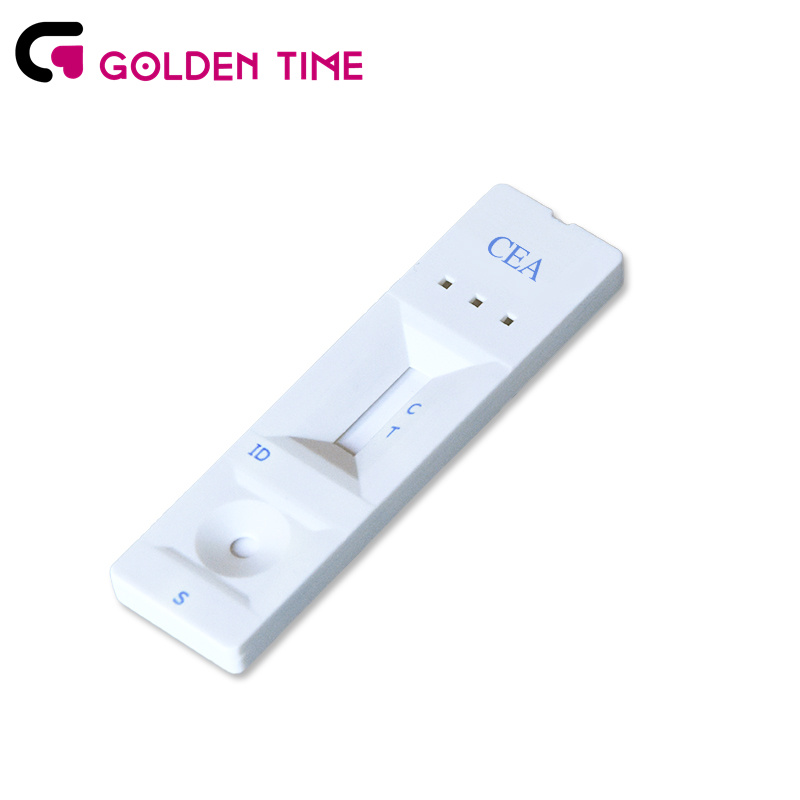
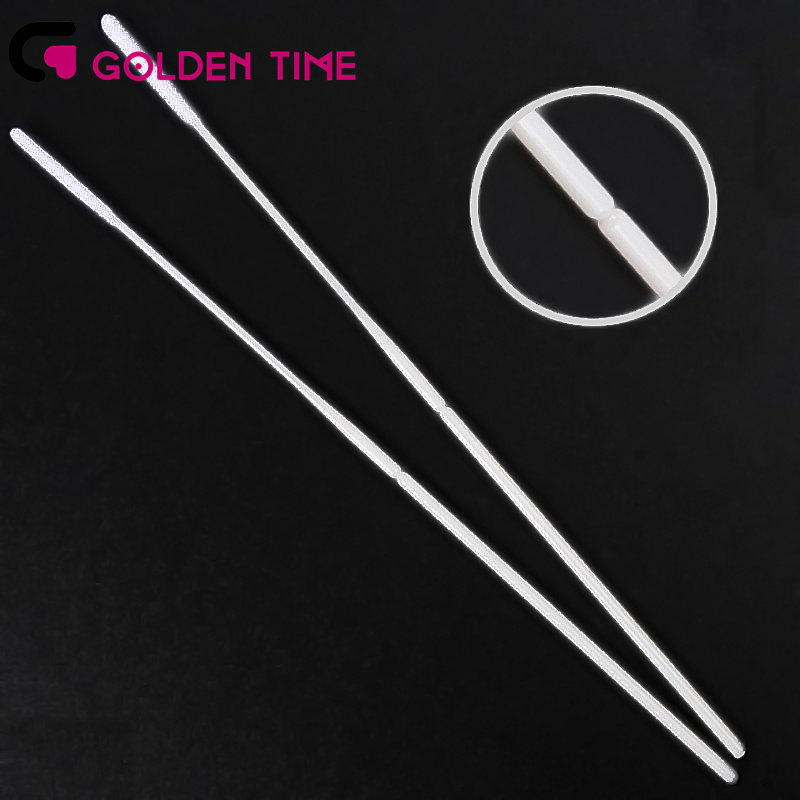
Advanced Diagnostic Solutions for Hungary: Professional influenza rapid test kit Integration

Empowering Hungarian healthcare providers with high-precision rapid diagnostic tools for respiratory, viral, and hormone monitoring to enhance patient outcomes across Central Europe.

Advanced Diagnostic Solutions for Hungary: Professional influenza rapid test kit Integration

Providing the Hungarian medical sector with state-of-the-art rapid testing technologies, ensuring accurate and immediate results for critical health screenings and infectious disease management.

Current State of IVD Diagnostics in Hungary

Analyzing the landscape of rapid diagnostic testing within the Hungarian healthcare system.

Hungary's healthcare infrastructure is currently undergoing a digital and technical transformation, with a significant shift toward decentralized testing. In urban centers like Budapest, there is an increasing demand for a reliable covid quick test to maintain workforce productivity and public health safety in high-density environments.

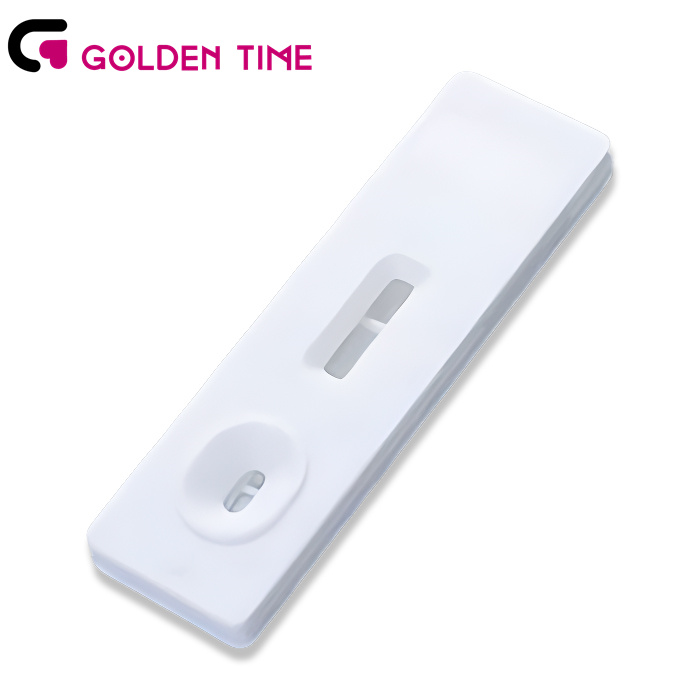
The geographic positioning of Hungary makes it a transit hub in Central Europe, necessitating robust surveillance for seasonal pathogens. The adoption of the influenza rapid test kit has become standard practice in primary care clinics to differentiate between viral flu and other respiratory infections during the harsh winter months.

Furthermore, the Hungarian market is seeing a rise in home-based screening for wellness and reproductive health. The accessibility of the pregnancy test card has evolved from simple pharmacy purchases to integrated prenatal screening workflows, reflecting a broader trend toward patient-led healthcare management.
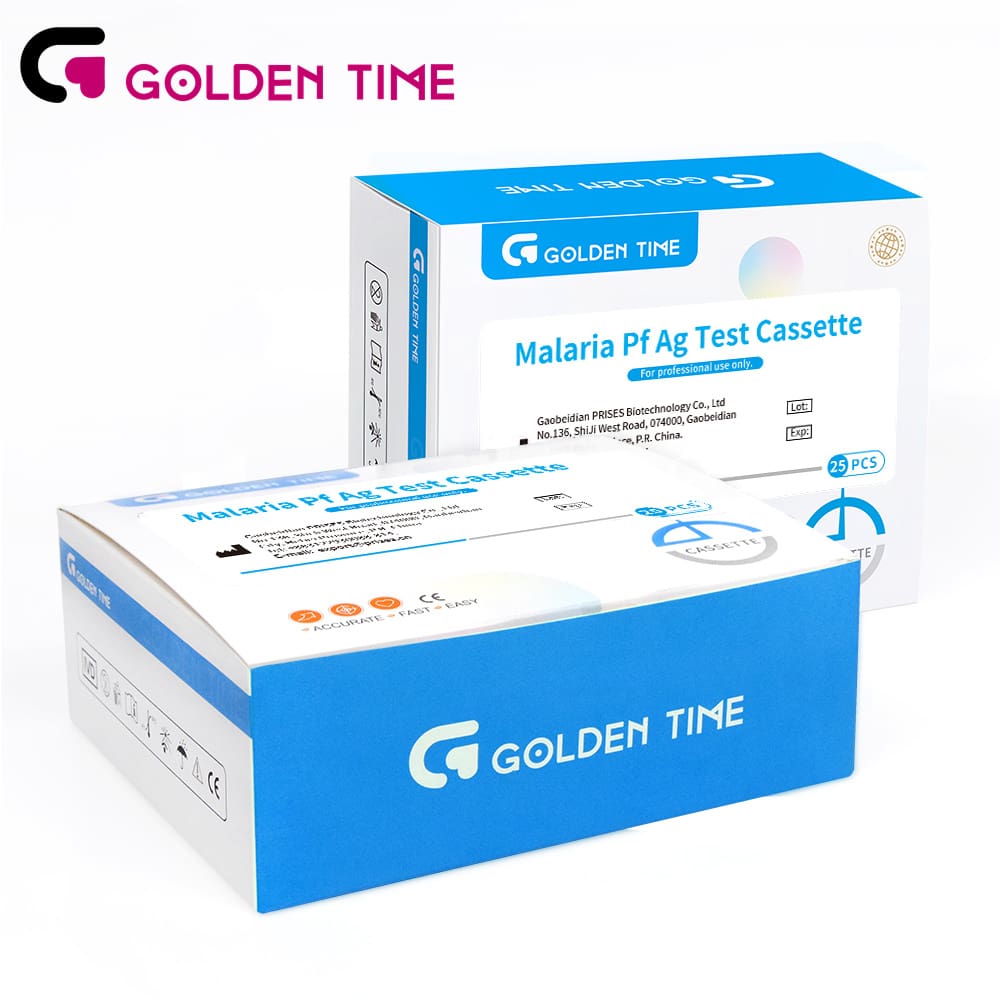
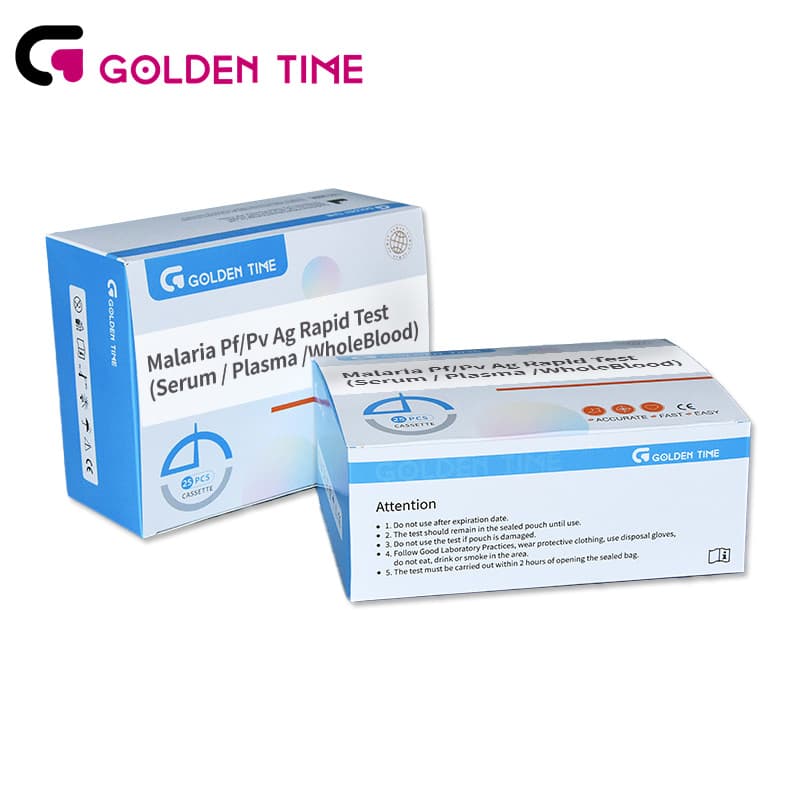
Evolution and Trajectory of Rapid Testing in Hungary

From traditional laboratory culture to instantaneous point-of-care diagnostics.

Market Development History

Prior to 2010, diagnostic testing in Hungary relied heavily on centralized hospital laboratories with long turnaround times. The first wave of transition occurred between 2010 and 2018, where lateral flow assays began replacing basic chemical tests for rapid hormone and viral screening.

The period from 2019 to 2022 marked a critical acceleration. The global pandemic forced a rapid integration of the covid quick test into every level of Hungarian society, from border controls to corporate offices, establishing a culture of "test-and-treat" that reduced hospital loads.

Since 2023, the focus has shifted toward multiplexing and high-sensitivity assays. The integration of the hiv test kit set into community health centers has moved from specialized clinics to more accessible, confidential screening points, improving early detection rates across the region.

Future Development Trends

Integration of Digital Health Records

We predict a seamless link between rapid test results and the Hungarian electronic health system (EESZT), allowing rapid test data to be uploaded instantly via smartphone apps.

Expansion of Tropical Disease Surveillance

With increasing global travel, the use of the dengue rapid test kit is expected to grow in travel clinics to monitor imported cases of vector-borne diseases.

Next-Gen Biosensor Sensitivity

The shift from qualitative "yes/no" results to semi-quantitative readings will allow clinicians to monitor viral loads more effectively using enhanced lateral flow technology.

Industry Trends and Future Outlook for Hungarian IVD

Strategic forecasting for the medical device manufacturing sector in Hungary.

POCT Decentralization
Movement toward Point-of-Care Testing (POCT) in local Hungarian pharmacies to reduce pressure on the national healthcare system.
Regulatory Harmonization
Alignment with EU IVDR standards to ensure that all diagnostic kits meet the highest safety and efficacy benchmarks for the Hungarian market.
Multiplex Diagnostics
Development of single-cassette tests that can simultaneously detect multiple respiratory viruses, increasing diagnostic efficiency.
Sustainable Manufacturing
Shift toward biodegradable materials in rapid test casings to align with European Green Deal objectives in medical waste management.

Industry Outlook

Google search trends in the region indicate a growing interest in "at-home healthcare" and "rapid screening," suggesting that the Hungarian consumer is becoming more proactive about early diagnosis. This trend will drive a shift from reactive hospital visits to proactive community-based monitoring.

Over the next 3-5 years, we anticipate that the diagnostic sector in Hungary will integrate AI-assisted result interpretation, where a photo of a test card can be analyzed by a clinical algorithm to provide a confidence score, reducing human error in interpretation.

Localized Application Scenarios in Hungary

Practical implementation of rapid diagnostic tools across various Hungarian sectors.

01. Seasonal Flu Monitoring in Schools

Implementing the influenza rapid test kit in school clinics across Budapest and Debrecen to quickly isolate infected students and prevent campus-wide outbreaks during winter.

02. Reproductive Wellness in Private Clinics

Integration of high-sensitivity pregnancy test card systems in private gynecological practices to streamline the first-trimester patient intake process.

03. Occupational Health Screening for Industrial Parks

Using the covid quick test for daily or weekly screening of employees in Hungary's automotive manufacturing plants to ensure uninterrupted production cycles.

04. Confidential Community HIV Screening

Deploying the hiv test kit set in NGO-led health centers in rural areas to provide accessible and anonymous testing for high-risk populations.

05. Travel Health Surveillance at Airports

Utilizing the dengue rapid test kit at Liszt Ferenc International Airport clinics for travelers returning from tropical regions to ensure rapid containment of imported febrile illnesses.

Brand Story

Global Development Journey of Gaobeidian Prises Bio-Tech Co., Ltd.

Foundation and Vision

Established with a mission to democratize diagnostics, we focused on bridging the gap between complex lab tests and immediate point-of-care needs.

Technological Breakthrough

Developed proprietary antibody stabilization techniques that significantly enhanced the shelf-life and accuracy of rapid test cassettes.

Global Market Expansion

Expanded our footprint into the European market, tailoring our diagnostic portfolios to meet strict EU IVD regulations and local clinical needs.

Crisis Response Leadership

Played a pivotal role during global health crises by scaling production of rapid tests to ensure millions had access to affordable screening.

Commitment to the Future

Continuing to innovate in the field of molecular diagnostics and biosensors to solve the most challenging pain points in medical monitoring.

Comprehensive Diagnostic Portfolio for the Hungarian Market

A full range of CE-certified rapid tests designed for clinical and home use in Hungary.

Frequently Asked Questions in Hungary

Addressing common inquiries regarding rapid diagnostic kit usage and regulations.

How accurate is a covid quick test compared to PCR for Hungarian patients?

While PCR remains the gold standard for sensitivity, our rapid tests provide high specificity and are ideal for early screening. Positive results should be confirmed with a PCR test per local health guidelines.

Can the influenza rapid test kit distinguish between H1N1 and H3N2?

Our advanced multiplex kits are designed to identify the primary influenza A and B strains, allowing clinicians in Hungary to make faster treatment decisions regarding antiviral prescriptions.

Is the pregnancy test card suitable for very early detection?

Yes, our cards are engineered with high-sensitivity hCG antibodies, capable of detecting pregnancy several days before the expected period, providing early clarity for users.

What is the recommended storage temperature for a dengue rapid test kit in Hungary?

To maintain protein stability, kits should be stored between 2-30°C. In Hungary's climate, avoiding direct sunlight and extreme humidity is essential for maintaining assay precision.

How should the hiv test kit set be disposed of according to EU waste rules?

All used test components must be treated as biohazardous waste and disposed of in approved yellow sharps containers or clinical waste bins as per Hungarian environmental laws.

Are these rapid tests compliant with the latest EU IVDR regulations?

Yes, all our products are manufactured under ISO 13485 standards and carry the CE mark, ensuring they meet all stringent safety and performance requirements for use in Hungary and the EU.

Partner With Us for Better Diagnostics

Ready to upgrade your medical diagnostic capabilities? Contact our expert team today for customized supply solutions in Hungary.

Contact Us Now

If you are interested in our products, you can choose to leave your information here, and we will be in touch with you shortly.