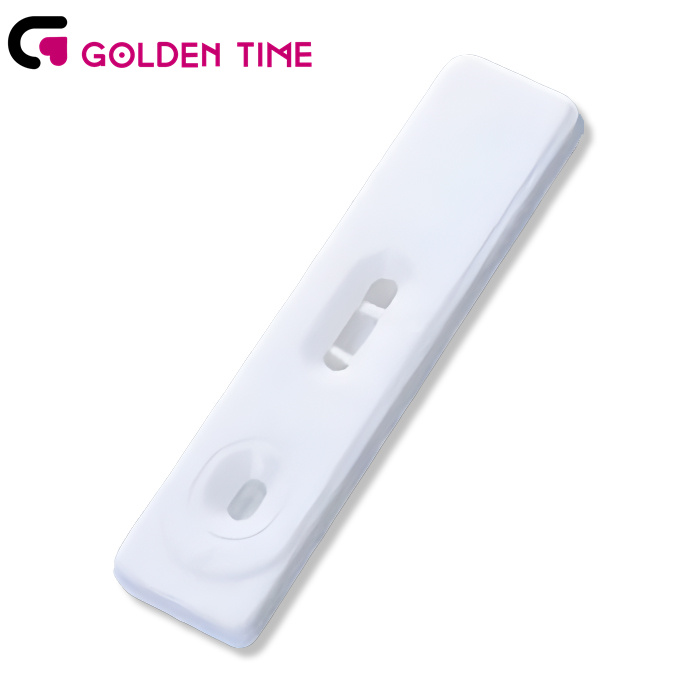
Advanced Diagnostic Solutions for Japan: Professional influenza rapid test kit

Empowering Japanese healthcare providers with high-precision, rapid diagnostic tools for respiratory and infectious disease monitoring.

Advanced Diagnostic Solutions for Japan: Professional influenza rapid test kit

Integrating cutting-edge biotechnology to deliver rapid, reliable, and clinically validated diagnostic results tailored for the Japanese medical infrastructure.

The Landscape of Rapid Diagnostics in Japan

Adapting to high standards of clinical precision and an aging population's needs.

Japan's diagnostic market is characterized by an uncompromising demand for accuracy and a highly structured regulatory environment. With a significant elderly population, the need for non-invasive and rapid screening tools, such as the covid quick test, has become a cornerstone of community health management to prevent hospital overloading.

The geographical concentration of urban centers like Tokyo and Osaka necessitates logistics-friendly diagnostic kits. The integration of point-of-care testing (POCT) allows clinics to deploy an hiv test kit set and other sensitive assays with minimal turnaround time, ensuring immediate patient triage.

Furthermore, Japan's seasonal health patterns, particularly the severe winter flu cycles, have driven the widespread adoption of the influenza rapid test kit, shifting the diagnostic paradigm from centralized laboratories to immediate bedside results.
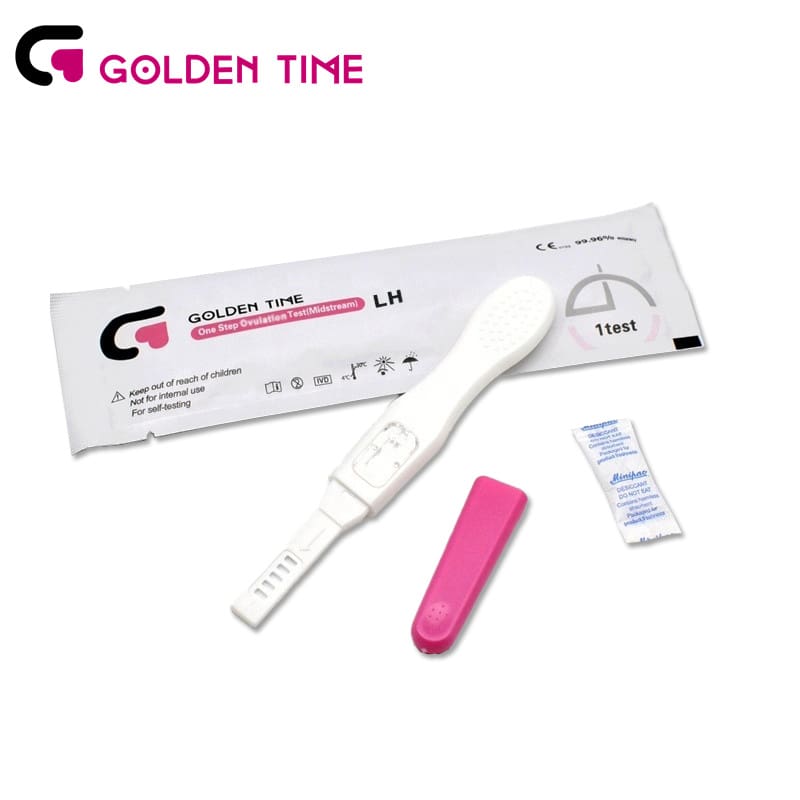
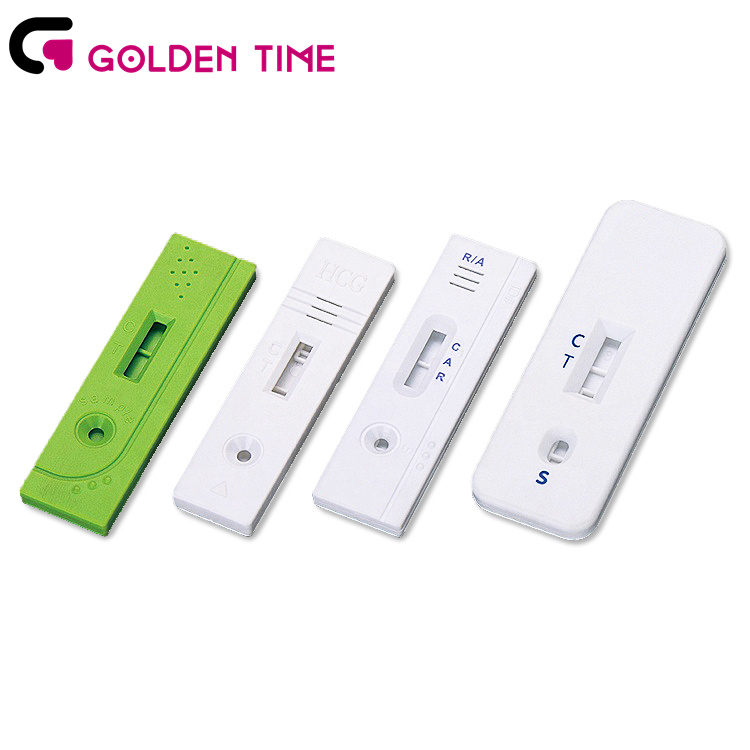
Evolution of In-Vitro Diagnostics in the Japanese Market

From traditional laboratory culture to molecular rapid assays.

Market Development History

In the early 2000s, Japanese diagnostics relied heavily on centralized PCR and ELISA methods, which offered high sensitivity but suffered from long lead times. The initial introduction of lateral flow assays provided a breakthrough in accessibility for basic screenings like the pregnancy test card.

Between 2010 and 2019, there was a strategic shift toward "precision POCT." Manufacturers began enhancing the gold-conjugation technology to reduce false positives, making tools like the dengue rapid test kit more viable for travelers returning to Japan from tropical regions.

Post-2020, the pandemic accelerated the digital transformation of diagnostics. We witnessed the transition from purely analog result reading to semi-automated digital readers, enhancing the objectivity of the covid quick test in clinical settings.

Future Development Trends

Multiplexing Assay Integration

The trend is moving toward a single swab capable of detecting multiple pathogens simultaneously, reducing sample waste and patient discomfort.

AI-Enhanced Result Interpretation

Integration of smartphone-based AI image analysis to eliminate human error in reading faint lines on rapid test cards.

Eco-Friendly Bio-Materials

Shift toward biodegradable plastics and sustainable reagents to align with Japan's strict environmental "Green Society" goals.

Industry Trends and Future Outlook

Predicting the trajectory of medical device manufacturing for 2025-2030.

Decentralized Screening
Moving diagnostics from hospitals to home-care settings via pharmacy-distributed kits.
Ultra-Sensitive Bio-markers
Utilizing nano-gold and fluorescent particles to detect viral loads at lower thresholds.
Digital Health Integration
Direct syncing of rapid test results with electronic health records (EHR).
Preventative Screening
Shift from reactive testing to routine preventative screening for high-risk groups.

Industry Outlook

Based on Google search trend logic, the demand for "at-home medical testing" in Japan is projected to grow significantly as the population ages and prefers home-based care. This will lead to a surge in the requirement for highly intuitive kits that require zero professional training.

The convergence of biotechnology and IoT will likely result in "smart" test strips that can be validated via cloud-based platforms, ensuring that the high standards of Japanese medical quality are maintained even outside clinical environments.

Localized Application Scenarios in Japan

Real-world implementation of rapid diagnostics across diverse Japanese sectors.

01. Senior Care Facility Monitoring

Implementing routine covid quick test protocols in nursing homes to ensure the safety of vulnerable elderly populations during winter peaks.

02. Travel Clinic Screening

Utilizing the dengue rapid test kit at Narita and Haneda airport clinics for travelers returning from Southeast Asia to prevent community spread.

03. Corporate Health Check-ups

Integrating the influenza rapid test kit into annual corporate wellness programs to reduce absenteeism in high-density office environments.

04. Women's Wellness Centers

Providing discreet and high-sensitivity pregnancy test card services in urban clinics for rapid confirmation and prenatal counseling.

05. Public Health Outreach

Deploying the hiv test kit set in community health centers to promote voluntary testing and early intervention in accordance with MHLW guidelines.

Brand Story

Global Development Journey of Gaobeidian Prises Bio-Tech Co., Ltd.

Foundation and Vision

Established with a mission to bridge the gap between complex lab diagnostics and rapid patient access, focusing on high-sensitivity antigen capture.

Technical Breakthroughs

Developed proprietary colloidal gold stabilization technology, significantly reducing the false-negative rates in rapid infectious disease kits.

Global Quality Standardization

Achieved international certifications (ISO/CE), ensuring our manufacturing processes meet the stringent requirements of the Japanese pharmaceutical market.

Strategic Market Expansion

Expanded operations into Asia, tailoring diagnostic sensitivity to regional viral strains and local clinical needs.

Future of Precision Health

Committed to evolving toward molecular-grade rapid tests, ensuring a healthier future through early and accurate detection.

Comprehensive Diagnostic Portfolio for the Japanese Market

A full range of clinically validated rapid tests for diverse healthcare applications.

Japan Market FAQ: Rapid Diagnostics

Addressing common technical and regulatory queries from Japanese healthcare providers.

How accurate is the covid quick test compared to PCR in clinical settings?

Our rapid tests are designed for high sensitivity; while PCR remains the gold standard for early detection, our kits provide rapid confirmation for symptomatic patients with high clinical correlation.

Is the pregnancy test card validated for early-stage detection?

Yes, our cards are optimized to detect low concentrations of hCG, allowing for reliable results shortly after the expected period date.

Can the dengue rapid test kit be used for both NS1 and IgG/IgM?

We provide both single-parameter and combo kits that allow for the detection of the NS1 antigen (early phase) and antibodies (later phase).

What is the ideal storage temperature for the influenza rapid test kit in Japan?

To maintain optimal stability, we recommend storage between 2-30°C, avoiding direct sunlight and extreme humidity typical of the Japanese summer.

How is the hiv test kit set packaged for clinic distribution?

The kits are available in individual sterile pouches containing all necessary reagents and buffers, ensuring ease of use and hygiene in clinic environments.

Does the manufacturing process meet the Japanese PMDA-aligned standards?

Our facility follows strict ISO 13485 standards for medical device manufacturing, ensuring consistency and quality that align with global regulatory expectations.

Get Expert Support Today

Contact our specialized team for bulk procurement and regulatory guidance within Japan.

Contact Us Now

If you are interested in our products, you can choose to leave your information here, and we will be in touch with you shortly.