Advanced Diagnostic Solutions for Kuwait: Professional dengue rapid test kit

Empowering Kuwait's healthcare infrastructure with high-precision, rapid-response diagnostic tools designed for extreme climatic resilience and clinical accuracy.

Advanced Diagnostic Solutions for Kuwait: Professional dengue rapid test kit

Integrating cutting-edge biotechnology to provide the Kuwaiti medical sector with reliable, fast, and accessible testing for critical viral and hormonal indicators.

Diagnostic Landscape in Kuwait: Facing Climatic and Health Challenges

Analyzing the intersection of Kuwait's hyper-arid climate and the demand for stable medical diagnostics.

Kuwait's unique geographical position in the Arabian Peninsula, characterized by extreme summer temperatures exceeding 50°C, poses a significant challenge to the stability of biochemical reagents used in a covid quick test. The local healthcare market demands medical devices that can withstand thermal stress without compromising sensitivity or specificity.

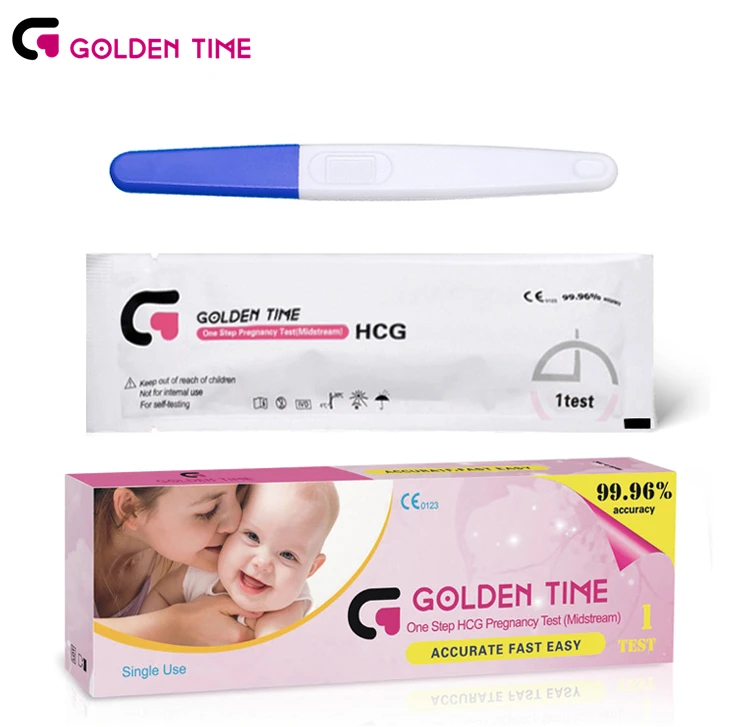
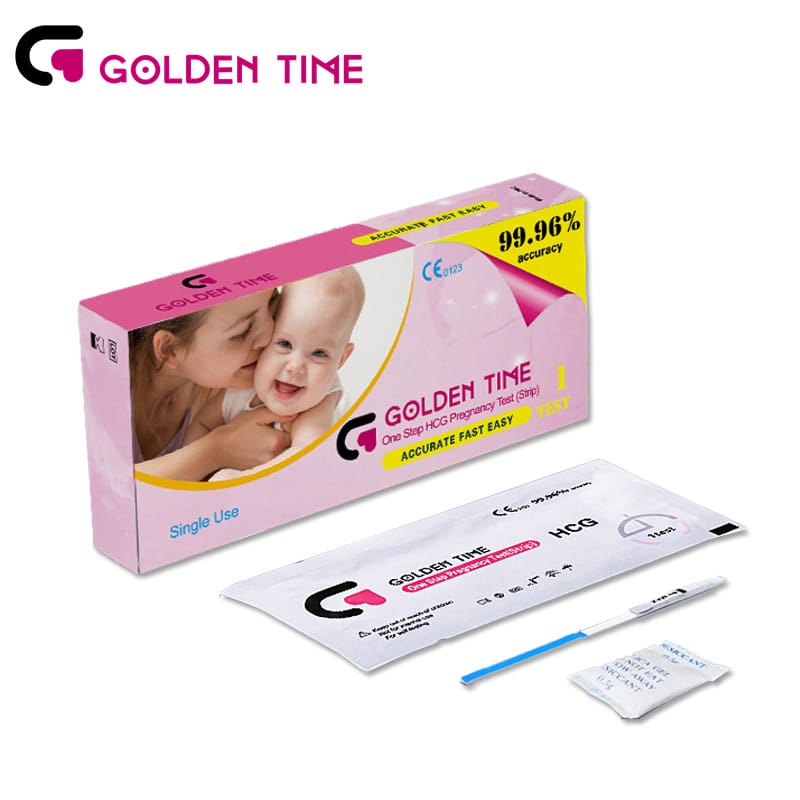
With a highly centralized healthcare system and a growing expatriate population, there is an increasing need for decentralized screening. The deployment of a pregnancy test card in primary clinics and home settings has become essential to reduce the burden on major hospitals in Kuwait City.

Furthermore, the strategic focus on preventive medicine in Kuwait has led to a surge in demand for respiratory and infectious disease monitoring. The integration of an influenza rapid test kit into routine seasonal screening is now a priority for the Ministry of Health to maintain workforce productivity during winter spikes.
Evolution of Rapid Diagnostics: From Lab-Bound to Point-of-Care

The journey of diagnostic technology transition in the Kuwaiti medical market.

Market Development History

Prior to 2010, the Kuwaiti diagnostic market relied heavily on centralized laboratory PCR and ELISA testing. This era was marked by long turnaround times, where any hiv test kit set required complex laboratory infrastructure and specialized technicians, delaying critical patient interventions.

Between 2011 and 2019, the shift toward Lateral Flow Immunoassay (LFIA) technology began. This period saw the introduction of portable testing, allowing for rapid screening in clinics. The standardization of gold-conjugated nanoparticles improved the visual clarity of results, making rapid kits more reliable for frontline clinicians.

Post-2020, the global pandemic accelerated the adoption of "at-home" and "near-patient" testing. The demand for high-throughput, high-sensitivity kits became the gold standard, leading to the current era of precision diagnostics where accuracy matches traditional lab results with a fraction of the time.

Future Development Trends

Digital Integration and AI-Reading

We anticipate the integration of smartphone-based optical readers to eliminate human error in interpreting test lines, especially for low-concentration samples.

Multiplexing Diagnostic Platforms

Future kits will likely move toward "Combo" tests, allowing a single swab to detect multiple respiratory pathogens simultaneously, optimizing the patient experience.

Enhanced Thermal Stability

Development of lyophilized reagents that remain stable at 40°C+ without cold-chain reliance, specifically targeting the Middle Eastern logistical environment.

Industry Outlook and Strategic Projections (2024-2029)

Predicting the trajectory of medical device manufacturing for the Kuwaiti market based on search trends and health policy.

Cold-Chain Independence
Moving toward atmospheric-stable reagents to eliminate the high cost of refrigerated transport in Kuwait's desert climate.
POCT Expansion
Shift from hospital-centric testing to Point-of-Care Testing (POCT) in pharmacies and home clinics across all governorates.
Molecular-Grade Accuracy
Applying nanotechnology to LFIA strips to reach sensitivity levels previously only possible with PCR machines.
Regulatory Harmony
Alignment with Kuwaiti MoH and international WHO standards to accelerate the import of innovative diagnostic devices.

Industry Outlook

Google search trends in the GCC region indicate a sharp rise in "home health monitoring" and "rapid diagnostic accuracy." This suggests that the Kuwaiti consumer is becoming more proactive about health screening, shifting from reactive treatment to preventative detection.

The convergence of biotechnology and digital health will likely lead to a "Connected Health" ecosystem in Kuwait, where rapid test results are automatically uploaded to national health records, enabling real-time epidemiological tracking of viral outbreaks.

Local Application Scenarios in Kuwait

Tailored diagnostic deployments across the diverse social and medical settings of Kuwait.

1. Airport and Border Entry Screening

Deploying high-sensitivity rapid tests at Kuwait International Airport to ensure rapid passenger processing and biological security without delaying arrivals.

2. Private Clinic Maternal Care

Utilizing the pregnancy test card in private maternity clinics in Salmiya to provide immediate confirmation and early prenatal guidance.

3. Seasonal Flu Surveillance in Schools

Implementing the influenza rapid test kit during winter months in public schools to prevent widespread student absenteeism and manage outbreaks.

4. Community Health Centers for Viral Screening

Integrating the hiv test kit set into anonymous community screening programs to encourage early detection and treatment in line with public health goals.

5. Occupational Health Screening for Oil Sector

Using the covid quick test for daily or weekly screening of employees in remote oil fields to ensure continuity of critical energy infrastructure.

Brand Story

Global Development Journey of Gaobeidian Prises Bio-Tech Co., Ltd.

Founding Vision

Established with the mission to democratize precision diagnostics, focusing on reducing the gap between expensive lab tests and accessible rapid kits.

R&D Breakthroughs

Invested heavily in monoclonal antibody research, achieving industry-leading sensitivity for a wide array of infectious and hormonal markers.

Global Expansion

Expanded manufacturing capabilities to meet international ISO and CE standards, enabling the export of high-quality diagnostics to Asia and the Middle East.

Pandemic Response

Scaled production rapidly during global health crises, providing millions of reliable tests to ensure public safety and government control.

Future Commitments

Committing to sustainable manufacturing and the development of next-generation, AI-integrated diagnostic tools for a healthier global population.

Comprehensive Diagnostic Portfolio for Kuwait

A complete suite of rapid testing solutions tailored for the Kuwaiti clinical and home-care market.

Kuwait Diagnostic FAQ

Addressing common technical and logistical queries for medical professionals in Kuwait.

How does the extreme heat in Kuwait affect the shelf life of a covid quick test?

Our tests use advanced stabilizing buffers. However, we recommend storing kits in a cool, dry place below 30°C. For long-term storage in Kuwait, climate-controlled warehousing is advised to maintain peak sensitivity.

What is the clinical sensitivity of your pregnancy test card compared to lab blood tests?

Our pregnancy test cards are designed to detect hCG levels as low as 25mIU/ml, providing a sensitivity rate of over 99%, making them highly reliable for early-stage detection before clinical blood work.

Can the dengue rapid test kit be used for retrospective diagnosis in Kuwaiti clinics?

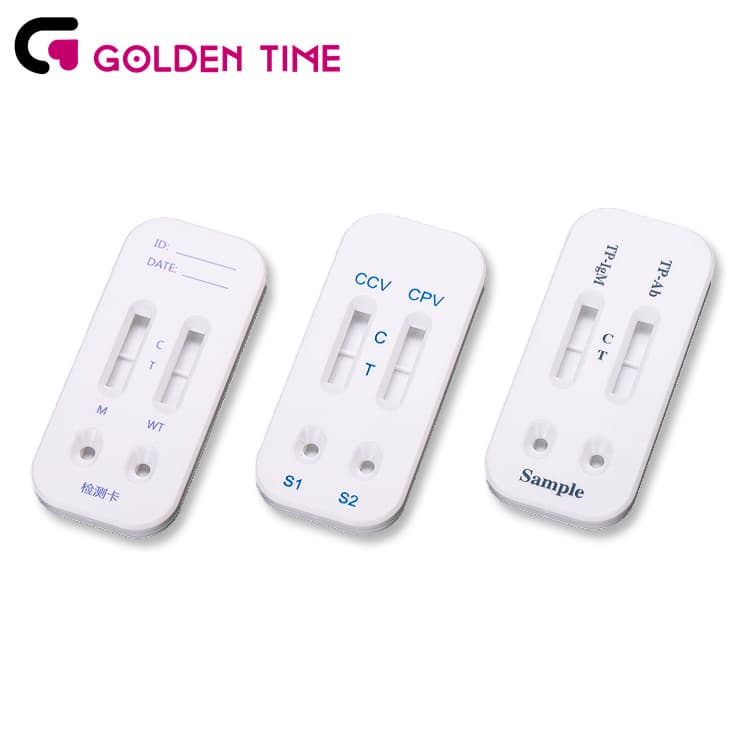
Yes, our kits detect both NS1 antigen (early phase) and IgG/IgM antibodies (later phase), allowing clinicians to determine the stage of infection accurately.

How quickly can results be read using an influenza rapid test kit?

The results typically manifest within 10 to 15 minutes. This allows for immediate triage and treatment initiation in high-traffic clinics during the winter season.

Is the hiv test kit set suitable for decentralized screening programs?

Absolutely. The set is designed for ease of use with clear instructions and high specificity, reducing the risk of false positives in community-based screening environments.

What certifications do your rapid diagnostic kits hold for Kuwait MoH approval?

All our products are manufactured under ISO 13485 standards and carry CE certification, meeting the stringent quality requirements for import and use within the State of Kuwait.

Partner with a Global Leader in Diagnostics

Contact our specialized export team today to bring world-class rapid testing technology to your facility in Kuwait.

Contact Us Now

If you are interested in our products, you can choose to leave your information here, and we will be in touch with you shortly.