
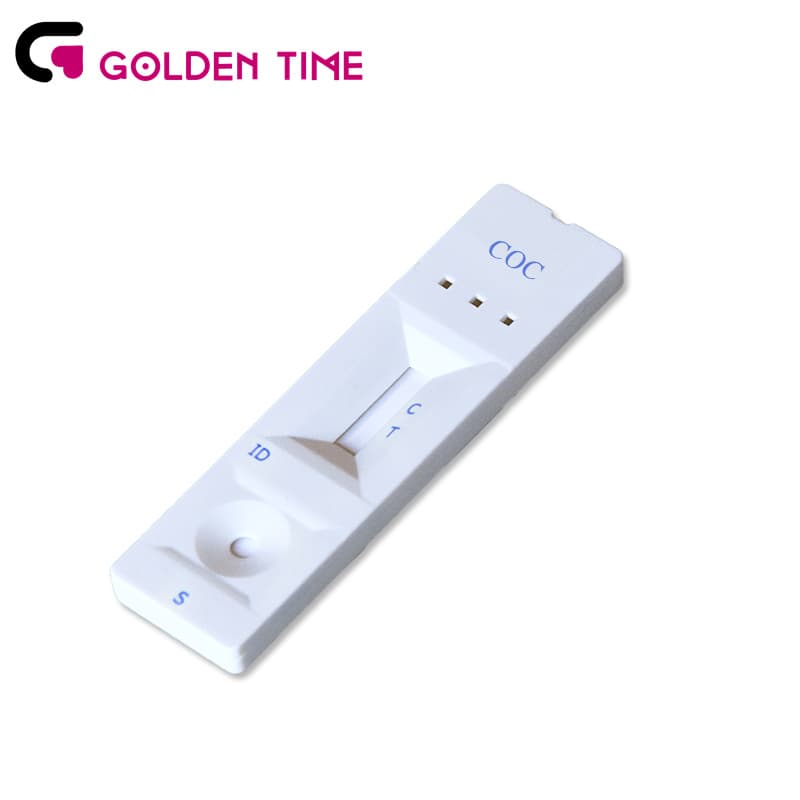


South Sudan faces unique healthcare challenges characterized by a fragile infrastructure and a high burden of endemic infectious diseases. The extreme climatic variations, including severe flooding seasons, often disrupt the cold chain required for traditional laboratory diagnostics, making a covid quick test or other rapid assays essential for remote clinics.
Economic constraints and limited access to centralized laboratories in Juba or other state capitals mean that point-of-care (POC) testing is not just a luxury but a necessity. The demand for a reliable hiv test kit set has surged as the nation seeks to integrate screening into primary maternal and child health services.
Furthermore, the coexistence of malaria, dengue, and influenza creates complex diagnostic overlaps. Implementing a robust influenza rapid test kit allows healthcare workers to differentiate respiratory infections quickly, reducing the misuse of antibiotics in rural communities.