Advanced Rapid Diagnostic Solutions for dengue rapid test kit in India

Providing high-precision, accessible, and scalable point-of-care testing (POCT) systems to enhance public health surveillance across the Indian subcontinent.

Advanced Rapid Diagnostic Solutions for dengue rapid test kit in India

Empowering Indian healthcare providers with world-class diagnostic tools, from infectious disease screening to reproductive health, ensuring rapid results and accurate patient management.

The Landscape of Rapid Diagnostics in India

Addressing the critical need for decentralized testing in a diverse climatic and economic environment.

India's healthcare infrastructure faces unique challenges due to its vast geography and tropical climate, which fosters the seasonal surge of vector-borne diseases. The demand for a reliable dengue rapid test kit is particularly high during the monsoon seasons in urban centers like Mumbai and Delhi, where rapid triage is essential to prevent healthcare system collapse.

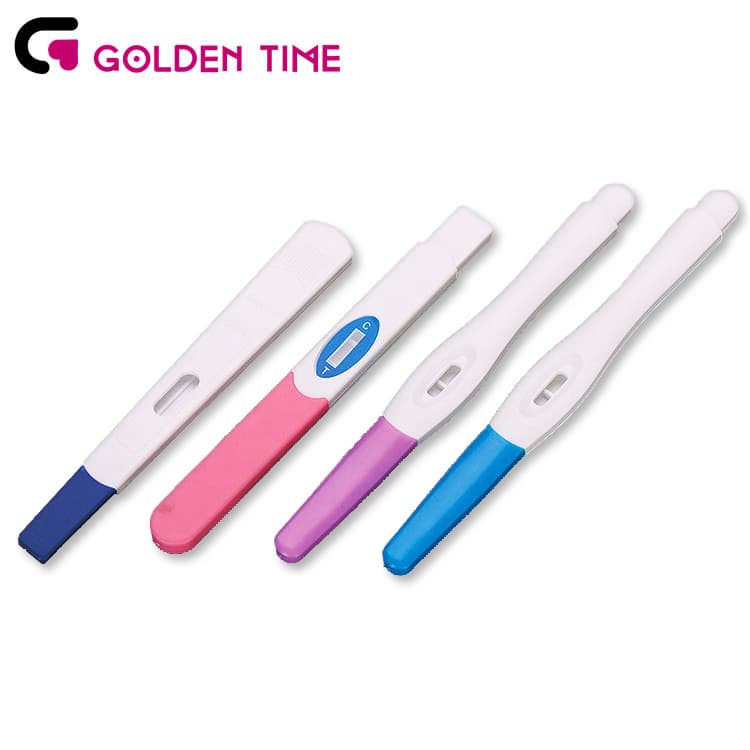
Economically, there is a significant shift toward affordable, high-quality POCT tools. In rural areas, where laboratory access is limited, the deployment of a pregnancy test card and other basic screening tools has democratized primary healthcare, allowing community health workers to provide immediate guidance without requiring patients to travel long distances.

Furthermore, the persistence of respiratory infections and chronic viral loads necessitates a robust supply chain for an influenza rapid test kit and specialized screening sets. The integration of these tools into the National Health Mission is critical for maintaining epidemiological control across diverse socio-economic strata.
Evolution and Trajectory of Indian Diagnostic Manufacturing

From basic lateral flow assays to high-sensitivity molecular-grade rapid tests.

Market Development History

Prior to 2010, the Indian market relied heavily on centralized lab testing and basic imported strips. The first wave of localization focused on basic hormone detection and simple qualitative assays, establishing the groundwork for the widespread use of the pregnancy test card in rural pharmacies.

Between 2010 and 2019, the focus shifted toward infectious disease management. The introduction of more stable antibodies allowed for the development of the hiv test kit set with higher specificity, reducing false positives and improving the management of chronic conditions in high-burden regions.

The 2020-2023 period marked a paradigm shift driven by the pandemic. The sudden necessity for mass screening accelerated the adoption of the covid quick test, pushing Indian manufacturing toward automated assembly and stringent quality control standards aligned with global WHO guidelines.

Future Development Trends

Multiplexing Capabilities

Moving toward a single-swab approach where one kit can differentiate between COVID-19, Influenza A, and Influenza B simultaneously to streamline respiratory triage.

Digital Integration

Incorporating QR-code based result logging that connects rapid test outcomes directly to the Ayushman Bharat Digital Mission (ABDM) for real-time health tracking.

Enhanced Sensitivity (Ultra-Low LOD)

Developing next-generation gold nanoparticles and fluorescent markers to bring laboratory-level sensitivity to the bedside POCT format.

Industry Trends and Future Outlook

Analyzing the trajectory of medical device manufacturing in Asia's fastest-growing economy.

Decentralized Screening
Shift from hospital-centric testing to home-based and pharmacy-led diagnostics for faster intervention.
Supply Chain Resilience
Localizing the production of raw materials like nitrocellulose membranes to reduce import dependency.
Regulatory Harmonization
Aligning CDSCO standards with ISO 13485 to facilitate faster global export and import of medical devices.
AI-Driven Interpretation
Using smartphone cameras and AI to read rapid test lines, eliminating human error in result interpretation.

Industry Outlook

The trajectory of the Indian diagnostic market is moving toward "Preventative Intelligence." By integrating rapid tests into routine wellness checks, the healthcare system can shift from curative to preventative care. Google search trends indicate a rising interest in "at-home health screening" and "rapid fever diagnostics," suggesting a permanent shift in consumer behavior toward self-monitoring.

Over the next 3-5 years, the synergy between biotechnology and digital health will likely lead to the emergence of smart-diagnostic hubs in tier-2 and tier-3 cities, reducing the burden on tertiary hospitals and improving the overall survival rate for critical infectious diseases.

Localized Application Scenarios in India

Implementing rapid diagnostics across various Indian healthcare settings for maximum impact.

01. Monsoon Epidemic Response

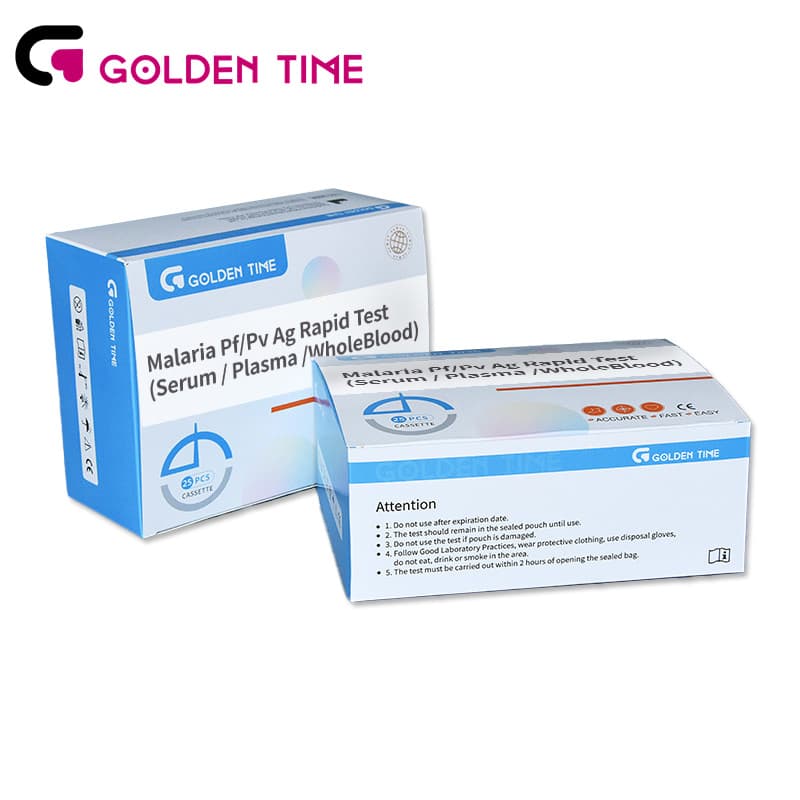
Rapid deployment of the dengue rapid test kit in community clinics during the July-October period to quickly differentiate between Dengue, Malaria, and Chikungunya.

02. Rural Maternal Health Camps

Utilizing the pregnancy test card in remote villages during outreach camps to provide immediate prenatal guidance and early registration for maternal care.

03. Corporate Wellness Screening

Implementing the covid quick test and influenza screenings in IT hubs like Bangalore and Hyderabad to maintain workplace productivity during peak flu seasons.

04. NGO-led HIV Prevention Programs

Using the hiv test kit set for confidential, rapid screening in high-risk demographics, enabling immediate linkage to ART (Antiretroviral Therapy) centers.

05. Primary Health Centre (PHC) Triage

Integrating a comprehensive panel of rapid tests to filter patients efficiently, ensuring that only critical cases are referred to overcrowded district hospitals.

Brand Story

Global Development Journey of Gaobeidian Prisesbio Biotechnology Co., Ltd.

Foundational Excellence

Established with a mission to bridge the gap between laboratory precision and point-of-care accessibility, focusing on high-stability antibody engineering.

Technological Breakthrough

Developed advanced lateral flow platforms that significantly reduced the limit of detection (LOD) for critical viral markers.

Global Expansion

Extended operations into the Asian market, tailoring diagnostic kits to meet the specific climatic requirements of tropical regions like India.

Quality Certification

Achieved international quality benchmarks, ensuring every kit produced meets the rigorous demands of global health organizations.

Sustainable Future

Committing to eco-friendly manufacturing and the development of multiplex diagnostics to solve complex healthcare pain points globally.

Comprehensive Diagnostic Portfolio for the Indian Market

A full suite of rapid testing solutions designed for reliability, affordability, and speed.

Frequently Asked Questions in India

Expert answers to common queries regarding rapid diagnostic kits and their application.

How accurate is a covid quick test compared to PCR in an Indian clinic setting?

While PCR remains the gold standard for sensitivity, a high-quality covid quick test provides rapid results with high specificity, making it ideal for initial screening and triage to manage patient flow effectively.

Can a dengue rapid test kit be used for early detection during the first 3 days of fever?

Yes, kits that detect the NS1 antigen are specifically designed for early detection during the first few days of symptoms, whereas IgG/IgM tests are more suitable for later stages of infection.

What is the shelf life of a pregnancy test card in high-humidity Indian environments?

Our cards are sealed in moisture-proof foil packaging with desiccants, maintaining stability for up to 24 months if stored in a cool, dry place away from direct sunlight.

Is the influenza rapid test kit effective against the seasonal strains common in South Asia?

Our kits are updated based on the latest WHO strain surveillance, ensuring high sensitivity to the predominant A and B strains circulating in the Asian region.

How should an hiv test kit set be disposed of safely according to Indian biomedical waste rules?

All used test components must be treated as infectious waste and disposed of in yellow biohazard bags for incineration, following the Biomedical Waste Management Rules of India.

What certification should I look for when importing rapid diagnostic kits into India?

Ensure the manufacturer holds ISO 13485 certification and the product is registered or compliant with CDSCO (Central Drugs Standard Control Organisation) regulations.

Partner With Us for Better Health Outcomes

Contact our specialist team to integrate high-precision diagnostic solutions into your healthcare network in India.

Contact Us Now

If you are interested in our products, you can choose to leave your information here, and we will be in touch with you shortly.