Advanced Rapid Diagnostic Solutions for dengue rapid test kit in Tanzania

Empowering Tanzanian healthcare providers with high-precision, point-of-care diagnostic tools to combat infectious diseases and improve maternal health across East Africa.

Advanced Rapid Diagnostic Solutions for dengue rapid test kit in Tanzania

Providing reliable and accessible medical diagnostic devices tailored to the clinical needs of Tanzania, ensuring rapid detection and timely treatment for critical health conditions.

Healthcare Diagnostic Landscape in Tanzania

Analyzing the challenges and requirements of medical testing in the Tanzanian environment.

In Tanzania, the healthcare system faces unique challenges due to its diverse geography—from the coastal regions of Dar es Salaam to the highlands. The high prevalence of tropical diseases necessitates the widespread deployment of the dengue rapid test kit to prevent outbreaks in humid coastal climates where mosquito-borne illnesses thrive.

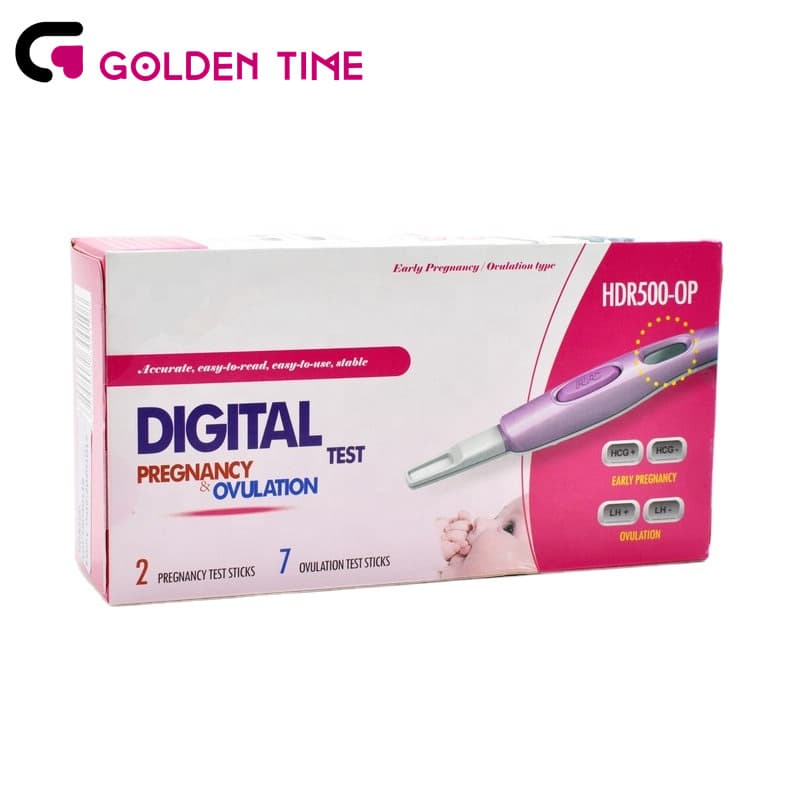
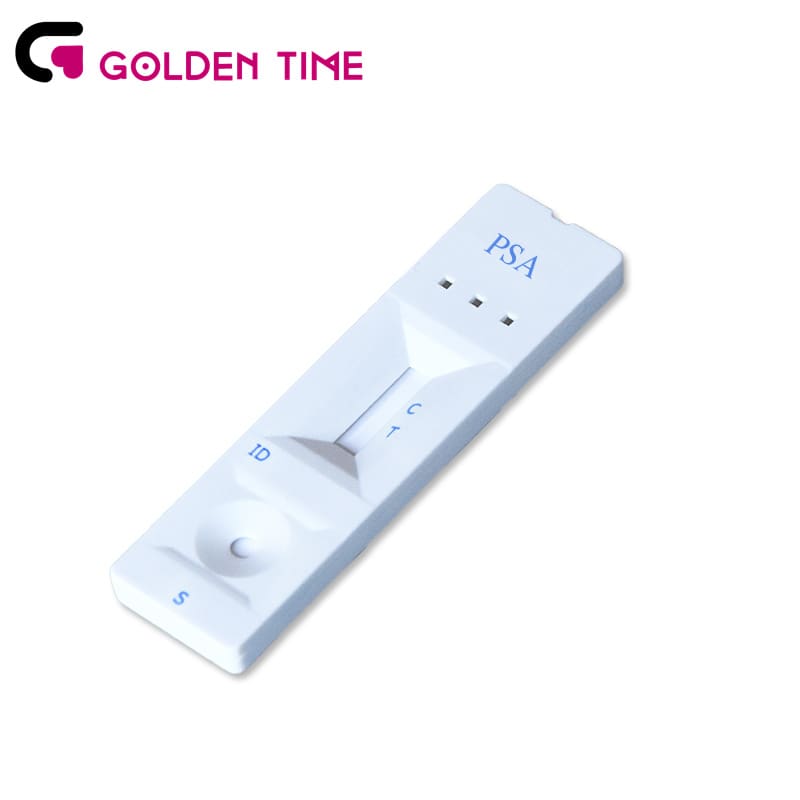
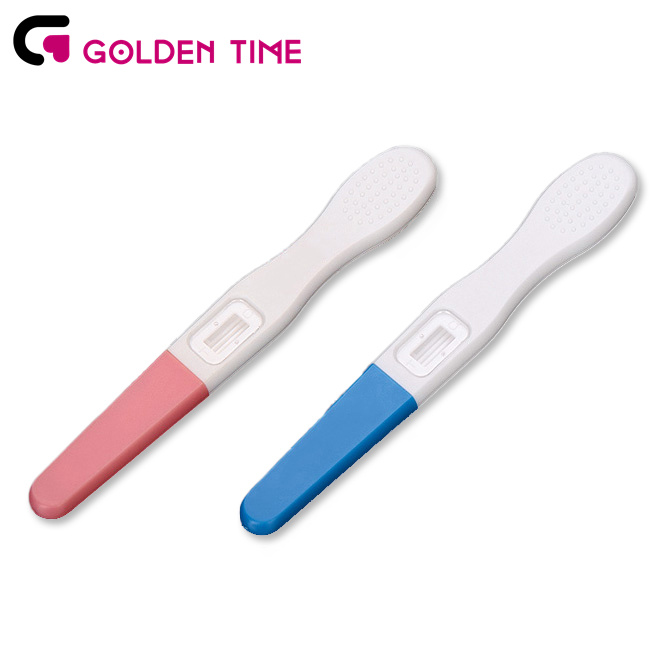
Economic disparities between urban centers and rural villages often lead to a shortage of centralized laboratory facilities. This creates a critical demand for point-of-care tools like the pregnancy test card and various infectious disease kits, which allow community health workers to provide immediate results without requiring expensive infrastructure.

Furthermore, the tropical climate of Tanzania poses significant stability risks for medical reagents. The industry is currently shifting toward diagnostic kits with enhanced thermal stability, ensuring that an hiv test kit set remains accurate even when transported through regions with limited cold-chain logistics.
Evolution of Diagnostic Technology in East Africa

From traditional lab-based testing to modern rapid antigen detection.

Market Development History

Prior to 2010, diagnostics in Tanzania relied heavily on centralized PCR and ELISA testing, which caused significant delays in patient care. The introduction of first-generation lateral flow assays marked the first major shift, enabling basic screening for malaria and HIV in remote districts.

Between 2015 and 2020, the integration of higher-sensitivity monoclonal antibodies improved the accuracy of the influenza rapid test kit, allowing clinicians to differentiate between seasonal flu and other respiratory infections more effectively during peak rainy seasons.

The global pandemic in 2020 acted as a catalyst for the mass adoption of the covid quick test. This period accelerated the regulatory acceptance of rapid testing and upgraded the distribution networks for diagnostic devices across the Tanzanian interior.

Future Development Trends

Digital Integration of Results

Moving toward AI-assisted reading of test strips to eliminate human error in interpreting faint lines on rapid cards.

Multiplex Testing Capabilities

Developing single-swab kits that can simultaneously detect multiple respiratory pathogens, reducing the cost per patient.

Enhanced Bio-stability

Implementation of advanced lyophilization techniques to ensure kits remain viable at 40°C+ without refrigeration.

Industry Trends and Future Outlook

Strategic directions for medical device manufacturing in the Tanzanian market.


Decentralized Screening
Shifting diagnostics from hospitals to village clinics to increase early detection rates.

High-Sensitivity Assays
Adopting next-gen gold nanoparticles to lower the detection limit for early-stage infections.

Sustainable Packaging
Developing biodegradable materials for test cassettes to reduce medical waste in rural areas.

Rapid Regulatory Approval
Streamlining WHO-prequalification to ensure faster entry of innovative kits into the Tanzanian market.

Industry Outlook

The future of the medical device industry in Tanzania is trending towards "intelligent diagnostics." Google search trends indicate a rising interest in home-testing and self-screening, suggesting a transition from clinical-only use to consumer-accessible healthcare tools.

Over the next 3-5 years, we expect a synergistic approach where rapid tests act as the first line of defense, with data being synced to national health databases via mobile apps, creating a real-time epidemiological map of the country.

Localized Application Scenarios in Tanzania

Real-world implementation of diagnostic tools in various Tanzanian settings.

1. Coastal Fever Screening Centers

Using the dengue rapid test kit in Dar es Salaam and Tanga to quickly differentiate between malaria and dengue fever during the monsoon season.

2. Rural Maternal Health Clinics

Deploying the pregnancy test card in remote villages to ensure early prenatal care and reduce maternal mortality rates.

3. Urban Pharmacy Self-Screening

Providing the covid quick test in pharmacies across Arusha and Dodoma for rapid traveler screening and community safety.

4. Community HIV Awareness Campaigns

Integrating the hiv test kit set into mobile clinics to provide confidential, immediate results and direct referrals to ART centers.

5. School-Based Respiratory Monitoring

Utilizing the influenza rapid test kit in boarding schools to prevent the rapid spread of seasonal flu among students.

Brand Story

Global Development Journey of Gaobeidian Prisesbio Biotechnology Co., Ltd.

Foundation and Vision

Established with a mission to bridge the gap in affordable diagnostics, focusing on the development of high-sensitivity rapid test platforms.

Technical Breakthroughs

Innovating in monoclonal antibody production to ensure that our kits deliver lab-grade accuracy in a portable format.

Global Expansion

Expanding our footprint across Africa and Asia, adapting our products to meet the specific environmental challenges of diverse climates.

Quality Certification

Achieving international standards (ISO/CE) to ensure every kit produced meets the highest safety and efficacy requirements.

Commitment to Health Equity

Dedicated to providing the underserved populations of Tanzania with the tools needed for a healthier, disease-free future.

Comprehensive Diagnostic Portfolio for Tanzania

A full suite of rapid testing solutions designed for the East African medical environment.

Common Questions on Diagnostics in Tanzania

Expert answers to frequent queries regarding rapid testing kits.

How to store a dengue rapid test kit in hot climates?

Kits should be stored in a cool, dry place away from direct sunlight. We recommend using temperature-monitored storage containers for bulk shipments to Tanzania to maintain antibody stability.

Is the pregnancy test card accurate for early detection?

Yes, our high-sensitivity cards are designed to detect hCG levels in early pregnancy, providing reliable results within minutes for maternal health screening.

What is the shelf life of an influenza rapid test kit?

Typically, our influenza kits have a shelf life of 12-24 months. Always check the expiration date and ensure the foil packaging is intact before use.

Can the hiv test kit set be used for self-testing?

Our sets are designed for both professional use and guided self-testing, providing a discreet and rapid way to screen for HIV before confirming with a laboratory test.

How fast are the results from a covid quick test?

Results are typically visible within 15 to 20 minutes, making them ideal for rapid screening in airports and clinics throughout Tanzania.

Are these diagnostic kits certified for use in East Africa?

Yes, our products meet international quality standards and are designed to be compatible with the regulatory requirements of the Tanzania Medicines and Medical Devices Authority (TMDA).

Partner with Us for Better Diagnostics

Looking for reliable medical device supplies in Tanzania? Our team is ready to support your healthcare infrastructure.

Contact Us Now

If you are interested in our products, you can choose to leave your information here, and we will be in touch with you shortly.