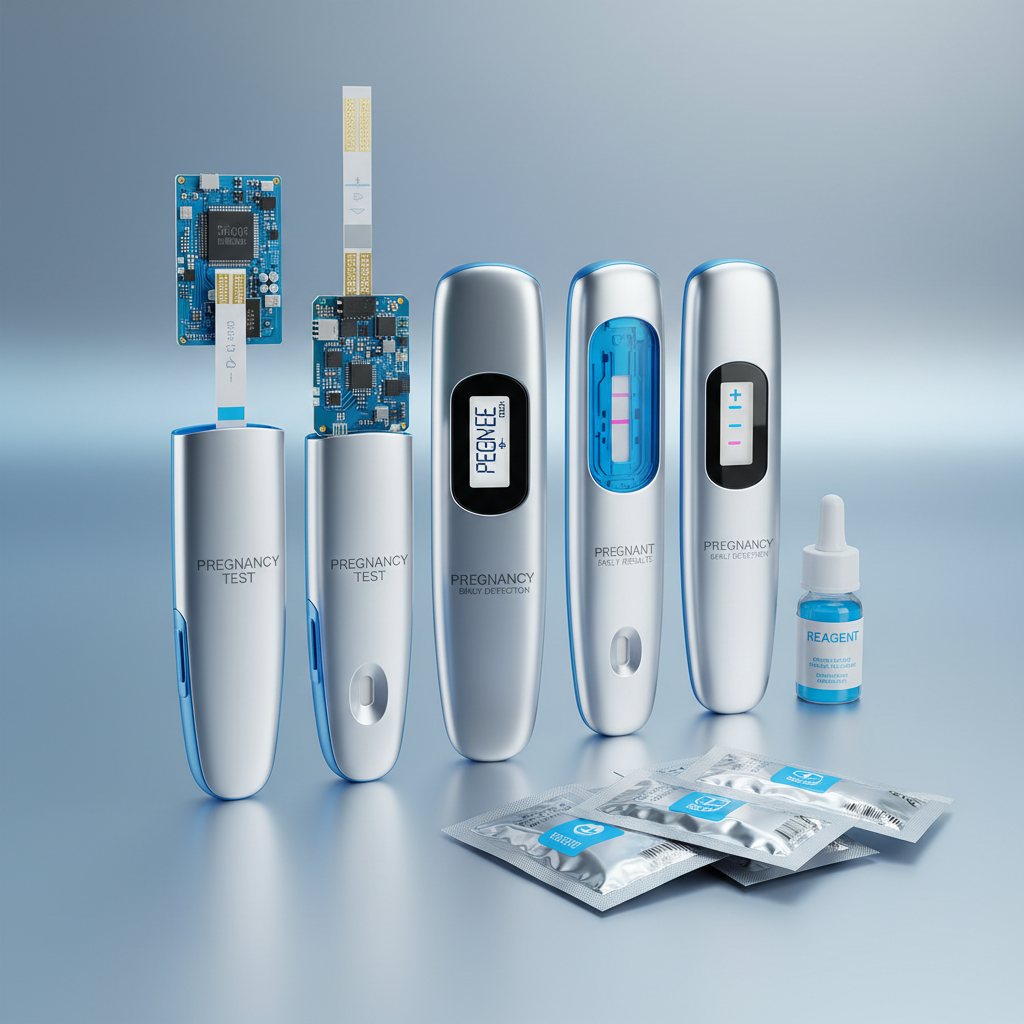
The global need for rapid and accurate disease detection has never been more critical, particularly in the wake of recent pandemics. The covid-19 antigen test kit represents a significant advancement in point-of-care diagnostics, offering a swift and accessible means to identify infections. Understanding the nuances of these kits – their functionality, accuracy, and appropriate application – is paramount for effective public health management and individual well-being. These tests have become instrumental in controlling the spread of infectious diseases worldwide.
The rise of covid-19 antigen test kits has democratized testing, moving it beyond centralized laboratories and into the hands of individuals, healthcare providers, and community organizations. This decentralized approach is vital in resource-limited settings and for facilitating rapid response to outbreaks. The ability to quickly identify positive cases allows for timely isolation and contact tracing, mitigating further transmission. According to the World Health Organization, widespread testing remains a cornerstone of pandemic preparedness and response.
The development and deployment of these kits have faced challenges – from ensuring consistent accuracy and supply chain resilience to addressing concerns about false negatives and equitable access. However, ongoing innovation and standardization efforts are continually improving their performance and reliability, making the covid-19 antigen test kit an increasingly valuable tool in the fight against infectious diseases.
The Importance of covid-19 antigen test kit
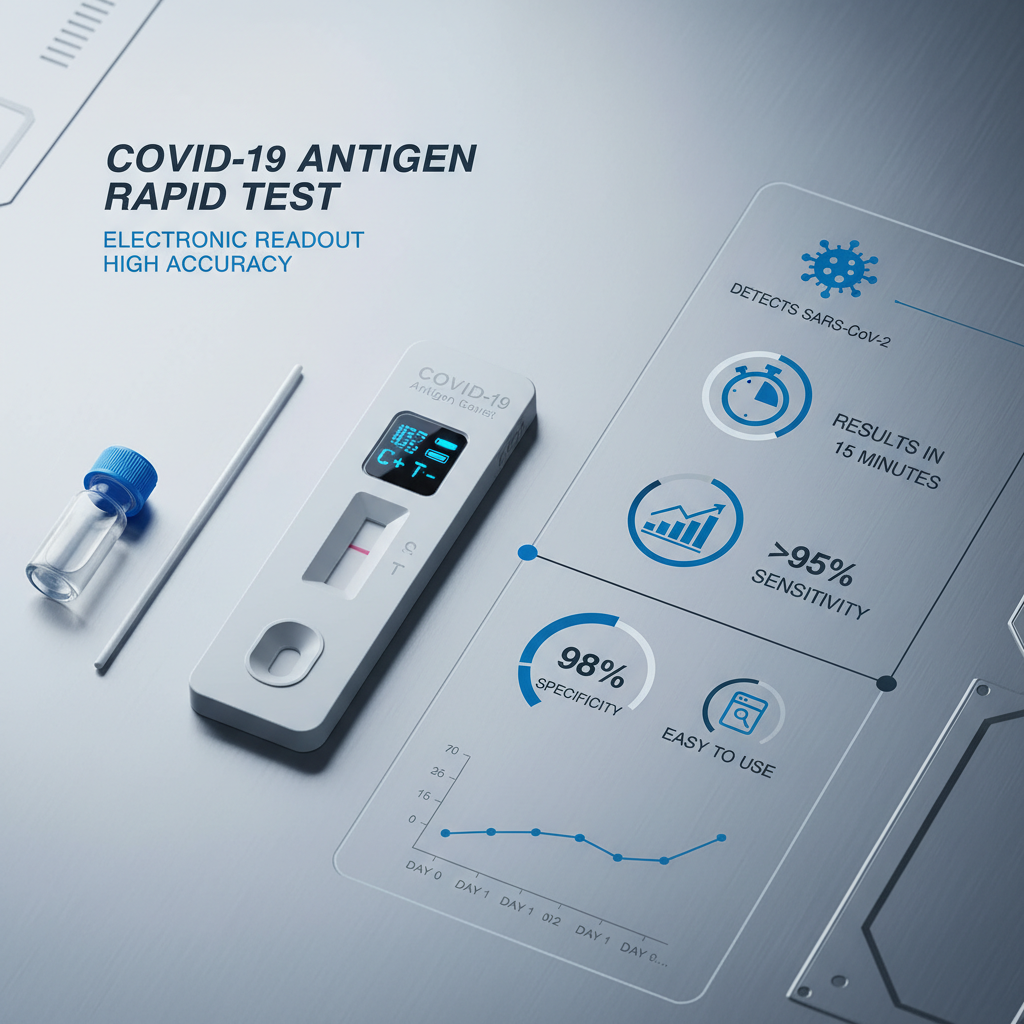
The covid-19 antigen test kit has become a cornerstone of modern public health strategies. Its ability to provide rapid results – often within 15-30 minutes – distinguishes it from more traditional, laboratory-based PCR testing. This speed is critical for containing outbreaks and facilitating timely medical intervention. Rapid identification of infected individuals is paramount in minimizing community spread.
Beyond pandemic response, these kits play a crucial role in various settings, including schools, workplaces, and travel. They offer a convenient and cost-effective way to screen individuals, identify potential cases, and implement appropriate preventative measures. Their portability also makes them invaluable in remote or underserved areas where access to healthcare facilities may be limited.
Understanding Antigen Testing Technology
Antigen tests differ from PCR tests in their methodology. PCR tests detect the genetic material (RNA) of the virus, offering high sensitivity. Antigen tests, however, detect specific proteins (antigens) on the surface of the virus. This difference means antigen tests are generally less sensitive than PCR tests, meaning they may miss some cases, particularly those with low viral loads.
Despite the lower sensitivity, antigen tests offer significant advantages in terms of speed, cost, and ease of use. They require minimal equipment and training, making them ideal for point-of-care testing. The speed of results allows for immediate decisions regarding isolation and treatment, which can significantly impact the course of the infection.
The principle behind antigen tests involves a reaction between the viral antigen and antibodies specifically designed to bind to that antigen. This reaction is then visually indicated, typically through a color change, confirming a positive result. The simplicity of this process is a key factor in its widespread adoption.
Key Components and Operational Principles
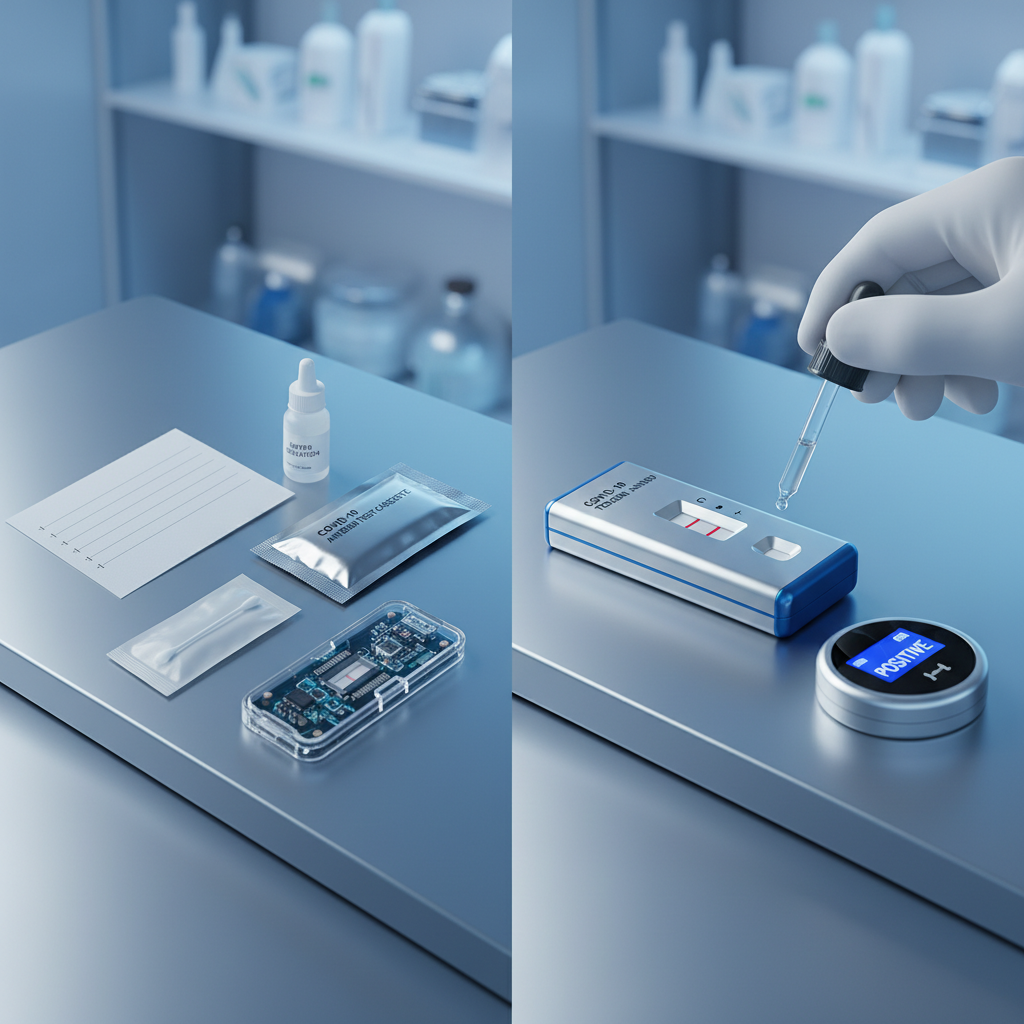
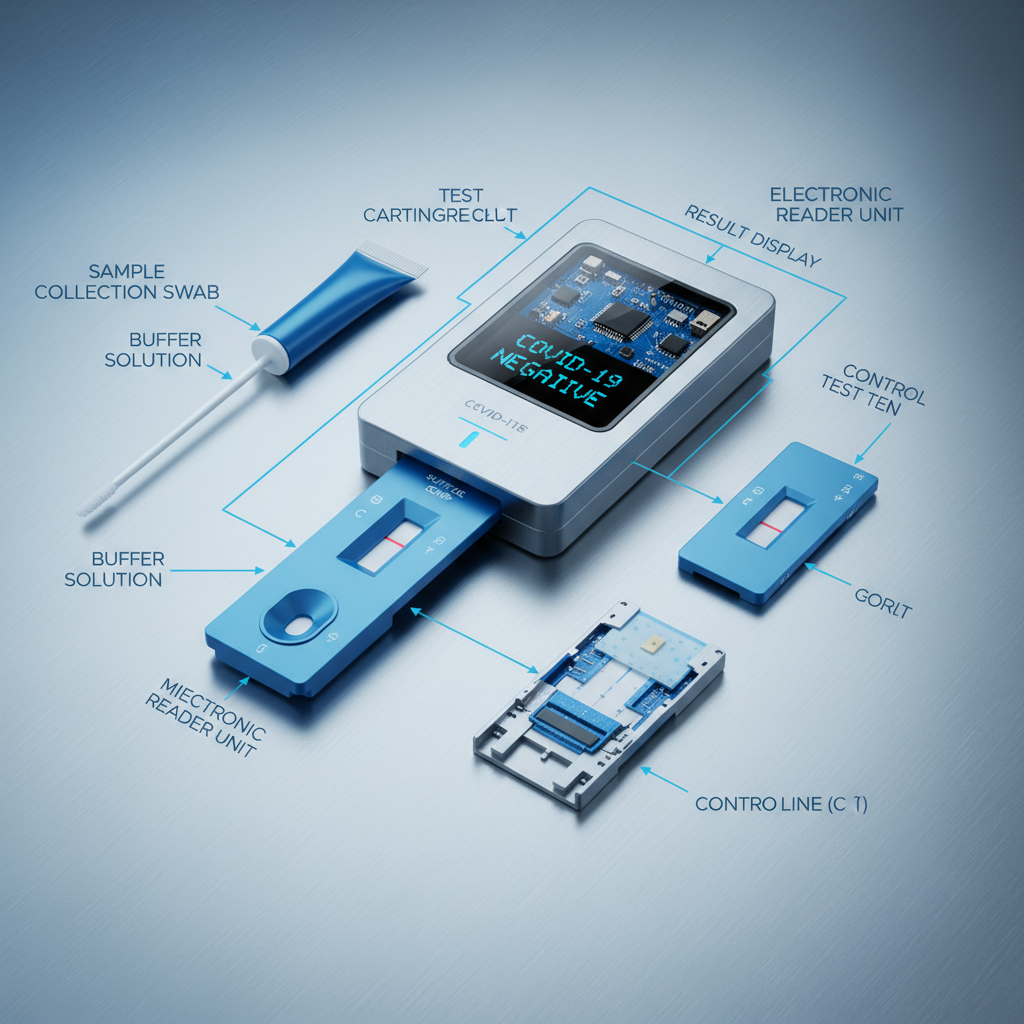
A typical covid-19 antigen test kit contains several essential components: a sterile swab for collecting a nasal sample, a reagent solution, a test cassette or strip, and instructions for use. The swab is used to collect a sample from the nasal cavity, which is then mixed with the reagent solution.
The mixture is then applied to the test cassette or strip, where it interacts with antibodies specific to the SARS-CoV-2 virus. If the virus is present, the antigen-antibody reaction triggers a visible color change, indicating a positive result. The control line ensures the test has functioned correctly, regardless of the presence of the virus.
Understanding the proper procedure is crucial for accurate results. This includes following the instructions carefully, collecting an adequate sample, and interpreting the results correctly. False negatives can occur if the sample is collected improperly or if the viral load is low.
Performance Characteristics & Accuracy
The accuracy of covid-19 antigen test kits is a critical consideration. While generally less sensitive than PCR tests, their specificity – the ability to correctly identify negative cases – is often high. However, sensitivity varies between manufacturers and is influenced by factors such as sample quality and viral load.
Clinical studies have demonstrated that antigen tests perform best when used on individuals with high viral loads, typically during the early stages of infection. False negatives are more common in individuals with low viral loads, such as those who are asymptomatic or in the later stages of infection.
Antigen Test Performance Comparison
Global Deployment & Applications of covid-19 antigen test kit
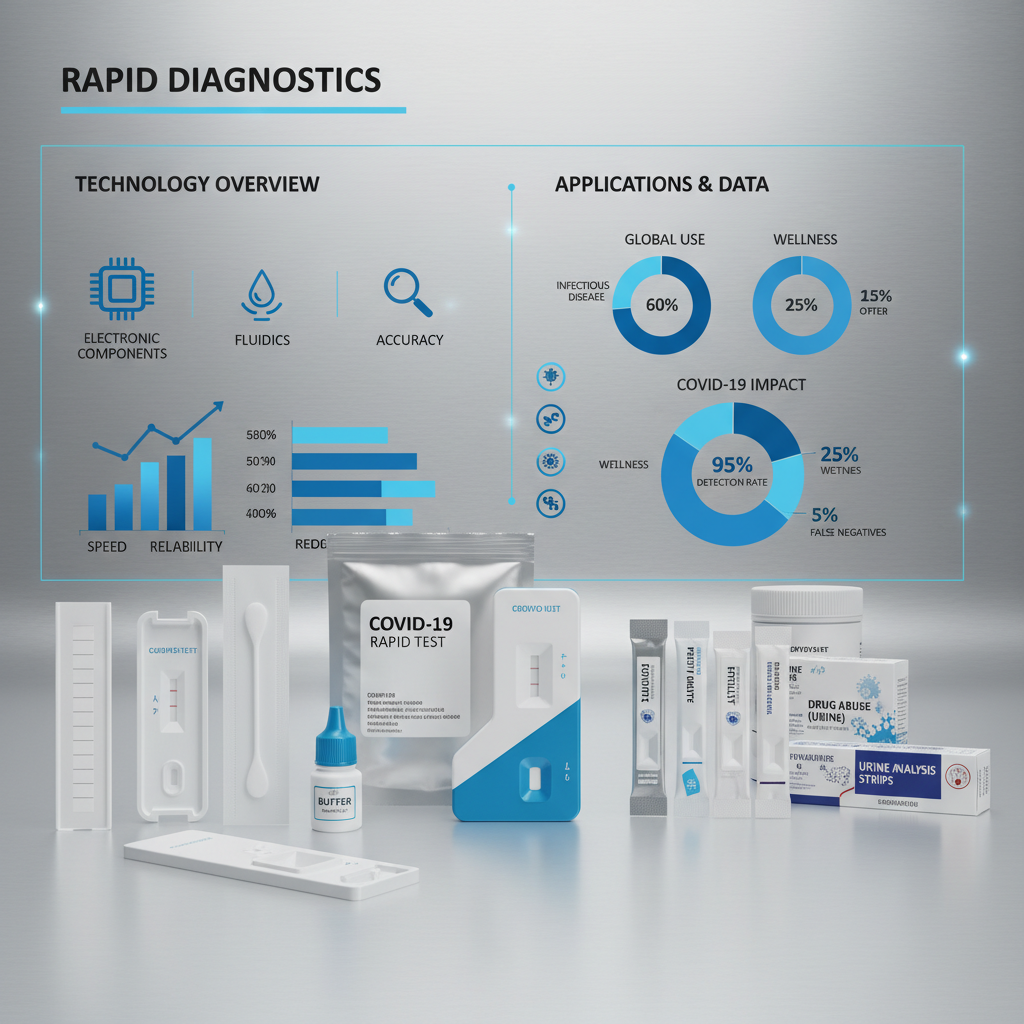
The covid-19 antigen test kit has been widely deployed globally, particularly in response to the pandemic. Developed nations have utilized them for mass screening programs, while developing nations have benefited from their accessibility and affordability in resource-constrained settings.
In post-disaster relief operations, antigen tests provide a rapid assessment of infection rates, allowing for targeted medical assistance and preventing further outbreaks. In remote industrial zones, they enable regular employee screening, minimizing disruption to operations. They’ve also been crucial in enabling safer travel and large gatherings, where pre-event testing is required.
Benefits and Limitations of covid-19 antigen test kit
The advantages of covid-19 antigen test kits are numerous: rapid results, affordability, ease of use, and portability. These features make them an invaluable tool for widespread screening and point-of-care diagnostics. They empower individuals to take control of their health and contribute to public health efforts.
However, it's important to acknowledge the limitations. Lower sensitivity compared to PCR tests can lead to false negatives, particularly in asymptomatic individuals or those with low viral loads. Accurate interpretation of results requires careful adherence to instructions and proper sample collection techniques. Furthermore, supply chain disruptions and quality control issues can impact the reliability of certain kits.
Despite these limitations, the benefits of rapid antigen testing often outweigh the risks, especially in situations where timely information is critical. Combined with other preventative measures, such as vaccination and masking, antigen tests can play a vital role in mitigating the spread of infectious diseases.
Future Trends in covid-19 antigen test kit Development
The future of covid-19 antigen test kits is focused on improving sensitivity, specificity, and ease of use. Researchers are exploring new antigen targets and antibody designs to enhance detection capabilities. Multiplex tests, capable of detecting multiple pathogens simultaneously, are also under development.
Digital technologies are playing an increasingly important role, with smartphone-based readers and automated result interpretation becoming more prevalent. These advancements will streamline the testing process and improve accuracy. Furthermore, efforts are underway to develop more sustainable and environmentally friendly testing materials.
The integration of artificial intelligence (AI) and machine learning (ML) in data analysis promises to further refine test performance and enable early outbreak detection. Continuous innovation will be essential to address emerging viral threats and enhance our preparedness for future pandemics.
Core Components of Future Antigen Test Kits
| Key Feature |
Current Status |
Projected Improvement |
Impact on covid-19 antigen test kit |
| Sensitivity |
Moderate (70-90%) |
Increase to >95% |
Reduced false negatives, improved accuracy |
| Testing Time |
15-30 minutes |
|
Faster results, quicker response |
| Cost per Test |
$5 - $15 |
$2 - $5 |
Increased accessibility, wider deployment |
| Multiplexing Capability |
Limited |
Detecting multiple pathogens simultaneously |
Comprehensive diagnostic information |
| Digital Integration |
Emerging |
Smartphone-based readers, automated result reporting |
Improved data management, real-time monitoring |
| Sustainability |
Plastic-heavy |
Biodegradable or recyclable materials |
Reduced environmental impact |
FAQS
While PCR tests remain the gold standard for accuracy, antigen tests provide a rapid and convenient alternative. Antigen tests generally have lower sensitivity, meaning they might miss some early-stage or low-viral load infections. However, they often have comparable specificity, correctly identifying negative cases. Consider them as a valuable screening tool, especially when quick results are crucial, and follow up with a PCR test if you have symptoms or a negative antigen test but suspect infection.
Yes, you can use an antigen test even if you have no symptoms. Asymptomatic individuals can still be carriers of the virus and spread it to others. Regular testing, even without symptoms, can help identify and isolate these cases, preventing further transmission. However, be aware that antigen tests may be less reliable in asymptomatic individuals due to potentially lower viral loads.
If you receive a positive result on an antigen test, it’s crucial to follow public health guidelines. This typically involves self-isolating immediately to prevent further spread, informing close contacts, and potentially seeking medical advice. A confirmatory PCR test is often recommended to verify the result, especially if you have no symptoms.
The validity period for antigen test results for travel varies depending on the destination country's requirements. Generally, most countries accept results obtained within 24-72 hours of travel. It’s essential to check the specific entry requirements of your destination before traveling to ensure your test result meets the criteria.
Proper storage is vital to ensure the accuracy of the test. Typically, antigen test kits should be stored at room temperature, away from direct sunlight and moisture. Check the packaging for specific storage instructions, as they can vary between manufacturers. Do not use a kit if it has expired or shows signs of damage.
Yes, there are various types of antigen tests available, differing in sample collection methods (nasal swab, saliva) and test formats (cassette, strip). Some tests are designed for professional use in healthcare settings, while others are available for at-home self-testing. It's important to choose a test that is appropriate for your needs and follow the instructions carefully.
Conclusion
The covid-19 antigen test kit represents a vital advancement in accessible and rapid diagnostics. Its ability to provide quick results, combined with its affordability and ease of use, has made it an indispensable tool in combating the spread of infectious diseases. From individual health management to large-scale public health initiatives, these kits have demonstrably improved our capacity to respond to and mitigate outbreaks.
Looking ahead, continued innovation in antigen test technology will further enhance accuracy, speed, and convenience. The integration of digital technologies and the development of multiplex testing capabilities promise to revolutionize diagnostics, enabling more comprehensive and proactive health management. For further information and access to reliable testing solutions, visit our website at www.prisesbio.com.