

Jan . 28, 2026 00:05 Back to list
Comprehensive Guide to Pregnancy Test Accuracy and Reliable Results
Understanding Pregnancy Test Accuracy: A Comprehensive Guide
When trying to conceive or if you suspect you might be pregnant, a pregnancy test is often the first step. But how reliable are these tests? Understanding pregnancy test accuracy is crucial for making informed decisions about your health and future. This article delves into the science behind home pregnancy tests, factors influencing their accuracy, and what to do with your results. We'll cover when to test, different types of tests, and how to interpret the outcomes correctly. PrisesBio provides high-quality, reliable pregnancy tests to give you peace of mind.
How Do Pregnancy Tests Work?
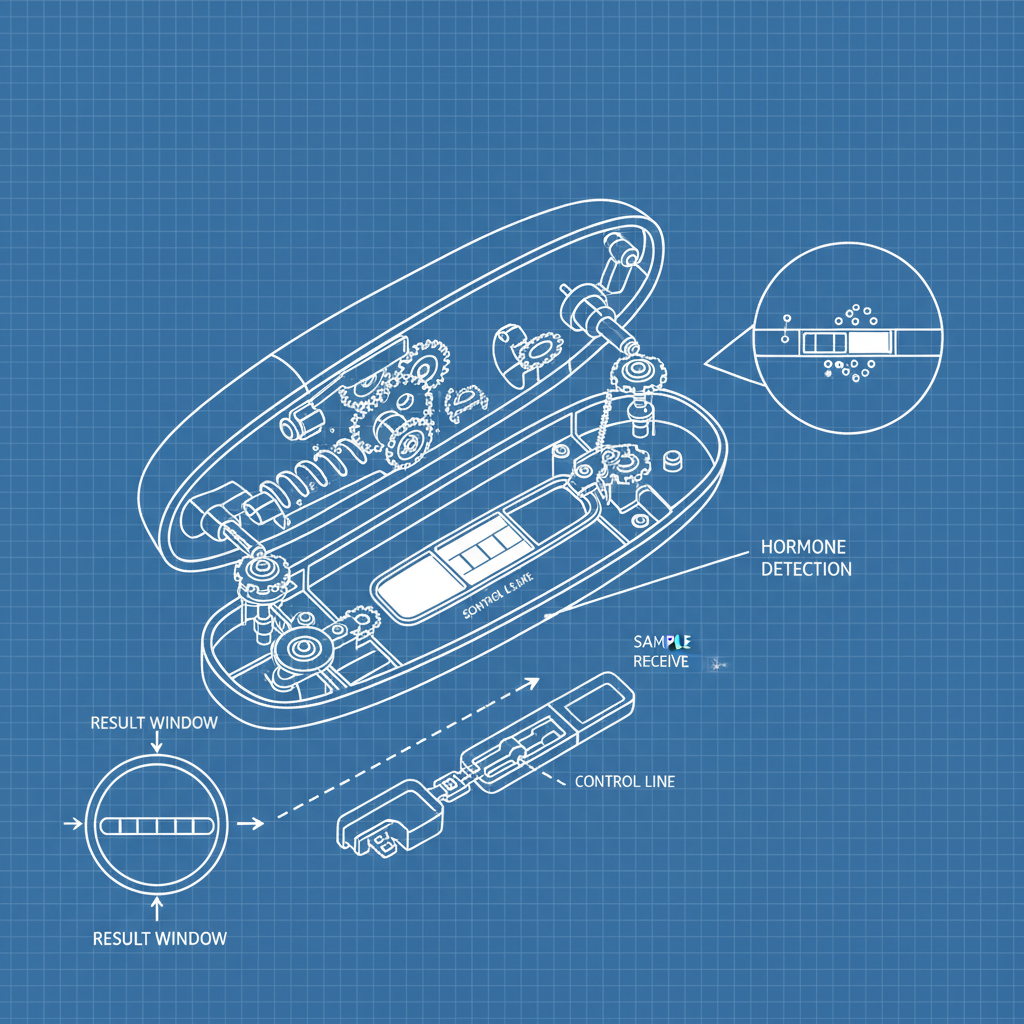
Pregnancy tests detect the presence of human chorionic gonadotropin (hCG) in your urine or blood. hCG is a hormone produced by the placenta after a fertilized egg implants in the uterus. Home pregnancy tests measure hCG levels in urine. The test contains antibodies that react with hCG, creating a visible result – usually a line or a plus sign – if the hormone is present. Different tests have varying levels of sensitivity, meaning they can detect different amounts of hCG. The higher the hCG level, the more likely it is to receive a positive result. PrisesBio tests are designed for high sensitivity and accuracy.
Key Takeaway: Pregnancy tests detect hCG, a hormone produced during pregnancy, and their accuracy depends on the test's sensitivity and when the test is taken.
Factors Affecting Pregnancy Test Accuracy
Several factors can influence the accuracy of a pregnancy test. Timing of the test is critical. Testing too early, before enough hCG has accumulated, can result in a false negative. The sensitivity of the test also plays a role; more sensitive tests can detect lower levels of hCG and provide earlier results. Following the instructions carefully is essential, as variations in procedure can impact the outcome. Finally, certain medical conditions or medications can sometimes interfere with test results, though this is rare.
Factors that can influence accuracy:
• Timing of the test
• Test sensitivity
• Following instructions
• Medical conditions/medications (rare)
Pregnancy Test Accuracy: Understanding False Positives and False Negatives
It’s important to understand the possibility of both false positives (a positive result when you’re not pregnant) and false negatives (a negative result when you are). False positives are rare, but can occur due to chemical pregnancies (early miscarriage), certain medical conditions, or, very rarely, a faulty test. False negatives are more common, especially if the test is taken too early. If you receive a negative result but still suspect you are pregnant, wait a few days and retest. PrisesBio offers a range of test sensitivities to minimize the chance of false negatives.
Different Types of Pregnancy Tests and Their Accuracy
There are two main types of pregnancy tests: urine tests and blood tests. Urine tests are readily available over-the-counter and are convenient for home use. Blood tests, conducted by a healthcare professional, are more sensitive and can detect pregnancy earlier than urine tests. There are two types of blood tests: qualitative hCG tests (confirm pregnancy) and quantitative hCG tests (measure the exact amount of hCG). While blood tests offer greater accuracy, they are not as accessible as home urine tests. PrisesBio focuses on providing high-quality, accurate home urine tests.

When to Take a Pregnancy Test for Optimal Accuracy
The best time to take a pregnancy test is at least one day after your missed period. This allows enough time for hCG levels to rise and be detectable by the test. If you have irregular periods, wait at least 14 days after unprotected sex. Morning urine is often recommended, as it tends to have a higher concentration of hCG. If you receive a negative result but still suspect you are pregnant, repeat the test in a few days. Following these guidelines will maximize the pregnancy test accuracy and provide more reliable results.
Conclusion: Empowering You with Accurate Results
Understanding pregnancy test accuracy is crucial for informed decision-making. By choosing a reliable test like those offered by PrisesBio, following the instructions carefully, and testing at the appropriate time, you can increase the likelihood of receiving an accurate result. Remember, if you have any concerns or questions, consult with a healthcare professional.
Frequently Asked Questions (FAQs)
How early can a pregnancy test detect pregnancy?
Most home pregnancy tests can detect pregnancy as early as the first day of a missed period. However, some highly sensitive tests can detect hCG levels a few days before your expected period. It’s important to remember that testing too early can lead to a false negative, as hCG levels may not yet be high enough to be detected. The accuracy increases as you get closer to your expected period, and waiting until after a missed period is generally recommended. PrisesBio tests are designed for high sensitivity, allowing for earlier detection when used correctly.
What should I do if I get a negative result but still think I'm pregnant?
If you receive a negative result but still suspect you're pregnant, wait a few days and retest with a new test, preferably using a first-morning urine sample. If you continue to get negative results but still experience pregnancy symptoms, consult a healthcare professional for a blood test, which is more sensitive and can provide a more definitive answer. There’s a possibility you may have tested too early, or there could be another underlying reason for your symptoms.
Can certain medications affect pregnancy test results?
Certain medications, such as fertility drugs containing hCG, can potentially cause a false positive result. However, this is relatively uncommon. If you are taking any medications, it's best to inform your healthcare provider when interpreting your pregnancy test results. In most cases, medications won’t interfere with the accuracy of a standard pregnancy test, but it’s always good to be cautious and seek professional advice if you have concerns.
Are digital pregnancy tests more accurate than traditional line-based tests?
Digital pregnancy tests typically offer a clearer and more definitive result ("Pregnant" or "Not Pregnant"), reducing the ambiguity of interpreting faint lines. However, studies have shown that digital and traditional tests have comparable accuracy when used correctly. The key to accuracy lies in following the test instructions carefully, regardless of the type of test. Both types detect hCG in the same way; the difference is primarily in how the result is displayed.
-
Buy at home covid test rapid covid test kit antigen test covid19
NewsApr.16,2026
-
Covid19 Antigent Test Kit Cassette Covid Test Rapid Diagnostic Covid 19 Antigen Rapid Test
NewsApr.09,2026
-
Comprehensive Guide to Antigen Covid Test Covid Saliva Test and Covid Test Kit 19 Options
NewsApr.07,2026
-
Comprehensive Guide to Test Kit Covid Covid19 Rapid Antigen Test Self Test Covid Options
NewsApr.04,2026
-
Comprehensive Guide to Rapid Test Kits COVID19 for Accurate Covid Self Test Results
NewsMar.31,2026
-
Comprehensive Guide to Rapid Antigen Test Kit Covid 19 Covid Rapid Test Kit Test Kit Covid 19
NewsMar.28,2026