

Sep . 15, 2025 12:50 Back to list
COVID-19 (SARS-CoV-2) Antigen Rapid Test Kit-Gaobeidian PRISES Biotechnology Co., Ltd|Rapid Detection&High Accuracy
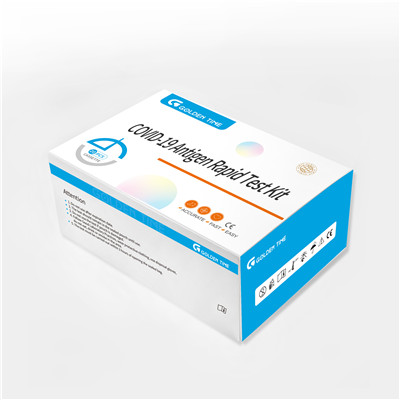
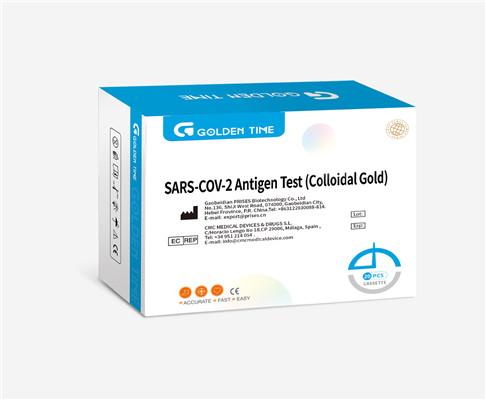
The COVID-19 (SARS-CoV-2) Antigen Rapid Test Kit, developed by GAOBEIDIAN PRISES BIOTECHNOLOGY CO., LTD, represents a critical advancement in the fight against the global pandemic. This article provides an in-depth analysis of its principle, features, components, technical specifications, applications, and the company background. By leveraging cutting-edge technology and rigorous validation, this test kit offers a reliable, user-friendly solution for rapid diagnosis of SARS-CoV-2 infections.
Understanding the Principle of the Test
The COVID-19 Antigen Test Kit employs immunochromatography, a widely used method for rapid diagnostic testing. This technique relies on the specific interaction between antibodies and antigens to detect the presence of the virus. The test strip comprises two key components:
- Burgundy-colored conjugate pad: This pad contains mouse anti-novel coronavirus nucleoprotein monoclonal antibody conjugated with colloidal gold. The colloidal gold acts as a visible marker, enabling the detection of the target antigen.
- Nitrocellulose membrane strip: This strip features two lines: the test line (T line) and the control line (C line). The T line is pre-coated with antibodies specific to the novel coronavirus nucleoprotein, while the C line contains antibodies that ensure the test functions correctly.
When a sample (e.g., nasal or oropharyngeal swab) is applied to the test strip, the antigen present in the sample binds to the monoclonal antibody on the conjugate pad. This complex then migrates along the membrane, where it interacts with the T line. If the antigen is present, a visible line appears at the T position, indicating a positive result. The C line serves as a control to confirm the test's validity.
Key Features of the Test Kit
The COVID-19 Antigen Rapid Test Kit is designed to meet the demands of both healthcare professionals and the general public. Its standout features include:
- Easier to Use: The test requires no specialized equipment, making it accessible for use in diverse settings, from clinics to home environments. Its intuitive design ensures that even non-experts can perform the test with minimal training.
- Rapid Results: With a reading time of just 10 minutes, this test provides quick results, enabling timely decision-making. This speed is critical in controlling the spread of the virus, as it allows for immediate isolation of positive cases.
- High Accuracy: The test has been validated through PCR and clinical diagnosis, ensuring its reliability. With a clinical sensitivity of 96.33% and specificity of 99.569%, it minimizes false negatives and positives, offering confidence in the results.
- Flexibility in Sample Types: The kit supports oropharyngeal swabs, nasal swabs, and nasopharyngeal swabs, providing versatility for different user preferences and clinical needs.
Components of the Test Kit
The COVID-19 Antigen Test Kit includes the following components, ensuring a comprehensive testing experience:
- Individually Sealed Foil Pouches: Each pouch contains a test device, which includes:
- Recombined Pad: Contains a novel coronavirus monoclonal antibody and rabbit IgG antibody.
- T Line: Pre-coated with antibodies for detecting the novel coronavirus nucleoprotein.
- C Line: Pre-coated with a control line antibody to validate the test.
- Desiccant: Ensures the stability of the test components by absorbing moisture.
- Sample Tubes (20): Each with 0.3ml of sample buffer, facilitating the proper dilution of the sample.
- Nasopharyngeal Swabs (20): Designed for efficient collection of respiratory samples.
- Quick Reference Instructions (1): A concise guide to ensure proper use of the kit.
Technical Specifications
| Product Name | COVID-19 (SARS-CoV-2) Antigen Rapid Test Kit |
|---|---|
| Brand Name | GOLDEN TIME |
| Methodology | Colloidal Gold |
| Specimen | Nasal swab, oropharyngeal swab, or nasopharyngeal swab |
| Clinical Sensitivity | 96.330% |
| Clinical Specificity | 99.569% |
| Overall Agreement | 98.79% |
| Packing | 1/5/20 tests/carton, according to customer requirements |
| Reading Time | 10 minutes |
| Service Support | OEM/ODM |
Applications and Use Cases
The COVID-19 Antigen Rapid Test Kit is designed for use in a variety of settings, including:
- Healthcare Facilities: Clinics, hospitals, and diagnostic centers can use the test to quickly screen patients for SARS-CoV-2, enabling prompt isolation and treatment.
- Public Health Initiatives: The test is ideal for large-scale screening programs, such as those conducted in schools, workplaces, and community centers, to monitor and control outbreaks.
- Home Use: The kit's user-friendly design allows individuals to perform self-testing at home, reducing the burden on healthcare systems and providing peace of mind.
- Travel and Event Screening: Airports, border checkpoints, and event organizers can use the test to ensure the safety of travelers and attendees.
It is important to note that while the test provides preliminary results, confirmation with PCR testing is recommended for definitive diagnosis. The results should be interpreted in conjunction with clinical findings and the professional judgment of healthcare providers.
Company Background: Gaobeidian PRISES Biotechnology Co., Ltd.
GAOBEIDIAN PRISES BIOTECHNOLOGY CO., LTD is a leading manufacturer of diagnostic products, dedicated to developing innovative solutions for global health challenges. With a commitment to quality and precision, the company has established itself as a trusted name in the field of medical diagnostics. Their expertise in immunochromatography and rapid diagnostic testing has enabled the creation of the COVID-19 Antigen Rapid Test Kit, which combines cutting-edge technology with user-friendly design.
The company's OEM/ODM service allows for customization to meet the specific needs of clients, ensuring that the products are tailored to different market requirements. This flexibility, combined with their rigorous quality control processes, ensures that their products meet the highest standards of reliability and performance.
For more information about GAOBEIDIAN PRISES BIOTECHNOLOGY CO., LTD, visit their official website.
Conclusion
The COVID-19 (SARS-CoV-2) Antigen Rapid Test Kit is a vital tool in the ongoing effort to combat the pandemic. Its combination of speed, accuracy, and ease of use makes it an essential resource for healthcare providers and the general public alike. By leveraging the latest advancements in immunochromatography, this test kit offers a reliable solution for rapid diagnosis, contributing to effective disease management and public health strategies.
For further information on the technical standards and regulatory guidelines related to rapid diagnostic tests, the National Institute of Standards and Technology (NIST) provides valuable resources. NIST's research and development efforts in metrology and standards play a crucial role in ensuring the accuracy and reliability of diagnostic technologies.
References
[1] National Institute of Standards and Technology (NIST). "Standards for Medical Devices and Diagnostic Testing." Retrieved from https://www.nist.gov.
-
Buy at home covid test rapid covid test kit antigen test covid19
NewsApr.16,2026
-
Covid19 Antigent Test Kit Cassette Covid Test Rapid Diagnostic Covid 19 Antigen Rapid Test
NewsApr.09,2026
-
Comprehensive Guide to Antigen Covid Test Covid Saliva Test and Covid Test Kit 19 Options
NewsApr.07,2026
-
Comprehensive Guide to Test Kit Covid Covid19 Rapid Antigen Test Self Test Covid Options
NewsApr.04,2026
-
Comprehensive Guide to Rapid Test Kits COVID19 for Accurate Covid Self Test Results
NewsMar.31,2026
-
Comprehensive Guide to Rapid Antigen Test Kit Covid 19 Covid Rapid Test Kit Test Kit Covid 19
NewsMar.28,2026