

Sep . 02, 2025 00:40 Back to list
Empty ABS Plastic Cassette: Premium Housing for Rapid Tests
Introduction to Advanced Diagnostic Cassettes
In the rapidly evolving landscape of in-vitro diagnostics (IVD), the integrity and precision of every component are paramount. Central to the functionality of numerous rapid diagnostic tests (RDTs) is the test strip housing, often referred to as an empty abs plastic cassette. These meticulously engineered plastic enclosures serve as the protective and functional framework for lateral flow assays, ensuring optimal performance, user safety, and consistent results. The selection of materials, particularly Acrylonitrile Butadiene Styrene (ABS), is critical due to its advantageous mechanical properties, chemical resistance, and ease of manufacturing. This article delves into the technical aspects, industry applications, and strategic considerations surrounding these essential diagnostic components for B2B stakeholders.
The demand for robust and reliable empty abs plastic cassette units has surged, driven by global health challenges and the need for decentralized, rapid testing solutions. From infectious disease screening to chronic condition monitoring, the accuracy of a rapid test plastic cassette directly impacts diagnostic efficacy. Understanding the intricate details of its design, manufacturing, and application is crucial for manufacturers aiming to deliver high-quality, compliant diagnostic kits to the market.
Industry Trends and Market Overview
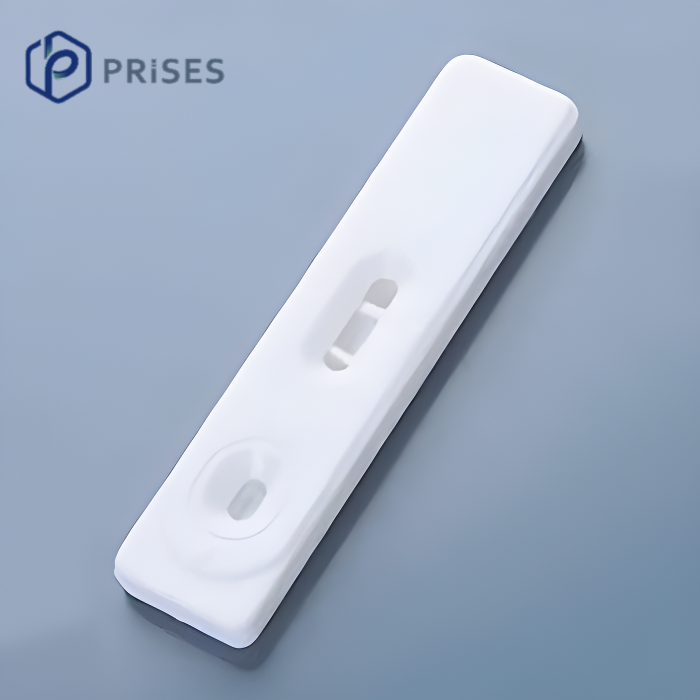
The global diagnostics market is experiencing unprecedented growth, fueled by several key trends. The increasing prevalence of infectious diseases, the rise in point-of-care (POC) testing, and the demand for rapid antigen test kit Covid and rapid antigen test kit Covid 19 solutions have significantly amplified the need for high-volume, cost-effective manufacturing of plastic housing cassettes. Furthermore, advancements in biosensor technology and microfluidics are pushing the boundaries of what these diagnostic components can achieve. Regulatory landscapes, such as the In Vitro Diagnostic Regulation (IVDR) in Europe and FDA guidelines in the US, continue to impose stringent requirements on device integrity and performance, necessitating superior manufacturing processes for every lateral flow plastic cassette.
The market for plastic cassette for test solutions is projected to expand significantly, with a particular emphasis on materials that offer excellent barrier properties, chemical inertness, and precise dimensional stability. This growth is not merely quantitative but also qualitative, demanding innovative design and engineering for the next generation of diagnostic devices. Key application areas extend beyond infectious disease diagnostics to include veterinary diagnostics, environmental testing, and food safety.
Technical Specifications and Material Properties
The choice of ABS (Acrylonitrile Butadiene Styrene) for the construction of an empty abs plastic cassette is predicated on its superior balance of properties. ABS is an amorphous thermoplastic polymer known for its strength, rigidity, chemical resistance, and excellent impact strength, even at low temperatures. It also exhibits good processability, making it ideal for injection molding intricate designs required for lateral flow devices.
Key Material Parameters for ABS (General Medical Grade):
| Property | Unit | Typical Value (ABS, Medical Grade) |
|---|---|---|
| Density | g/cm³ | 1.04 - 1.07 |
| Tensile Strength | MPa | 40 - 50 |
| Flexural Modulus | GPa | 2.0 - 2.5 |
| Izod Impact Strength (notched) | J/m | 200 - 300 |
| Heat Deflection Temperature (HDT) | °C | 80 - 100 |
| Water Absorption (24h) | % | 0.2 - 0.4 |
| Biocompatibility (ISO 10993) | Status | Compliant for surface contact |
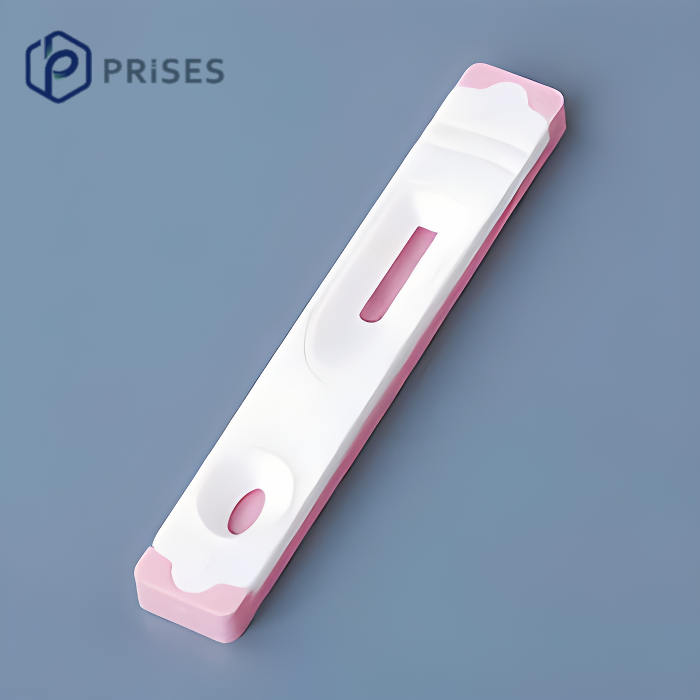
Dimensional precision is a critical aspect of these plastic housing cassettes. Features such as the sample pad well, conjugate pad overlap, nitrocellulose membrane channel, and absorbent pad slot must be manufactured to extremely tight tolerances, typically +/- 0.05 mm or less, to ensure proper capillary flow and consistent test performance. The surface finish must also be optimized to prevent non-specific binding and ensure clear visualization of test and control lines.
Manufacturing Process Flow
The production of a high-quality empty abs plastic cassette involves a series of meticulously controlled steps, primarily leveraging advanced injection molding techniques. This ensures the geometric precision and material integrity essential for diagnostic applications.
Schematic Steps of Manufacturing:
- Material Selection and Preparation: High-grade medical-grade ABS resin is selected, often pre-dried to eliminate moisture, which can cause defects during molding. Raw material traceability is maintained through lot numbers.
- Mold Design and Fabrication: Precision molds, typically multi-cavity hot runner systems, are designed using CAD/CAM software. These molds are fabricated from hardened tool steel, ensuring extreme dimensional accuracy and a high-quality surface finish.
- Injection Molding: The prepared ABS pellets are fed into an injection molding machine. The material is heated to its melting point (typically 200-240°C) and injected under high pressure into the closed mold cavities. Parameters such as injection speed, pressure, and cooling time are precisely controlled to prevent warpage, sink marks, and short shots.
- Cooling and Ejection: After injection, the plastic cools and solidifies within the mold. Once sufficiently rigid, the mold opens, and ejector pins push out the molded cassette halves.
- Deflashing and Gate Removal: Any residual plastic from the gates (where the material entered the mold) is trimmed, and components are deflashed to ensure smooth edges and proper fit.
- Quality Control and Inspection: Each batch undergoes rigorous quality checks. This includes dimensional verification using CMM (Coordinate Measuring Machine) or optical inspection systems, visual inspection for defects (e.g., discoloration, flow lines, foreign particles), and functional fit testing with standard test strips. Testing standards adhere to ISO 9001 and particularly ISO 13485 for medical device components.
- Assembly (Optional, if parts are molded separately): For two-part plastic housing cassettes, the upper and lower halves are typically sonic welded or snap-fitted together in a cleanroom environment, ensuring a secure and hermetic seal around the diagnostic strip.
- Packaging: Finished test strip empty cassette units are typically packaged in anti-static, cleanroom-compatible bags to prevent contamination during transport and storage.
This entire process is carried out in controlled environments (e.g., ISO Class 7 or 8 cleanrooms) to minimize particulate contamination, crucial for medical diagnostic devices. The typical service life of an empty abs plastic cassette, once integrated into a complete RDT and stored under specified conditions, typically mirrors the shelf life of the diagnostic reagents, often ranging from 18 to 24 months, provided the material integrity is maintained. Target industries for these precision components include medical diagnostics, pharmaceuticals, biotechnology, and public health agencies. Advantages in application scenarios include enhanced energy saving through efficient manufacturing, superior corrosion resistance to various biological samples and reagents, and robust mechanical protection for sensitive internal components.
Application Scenarios
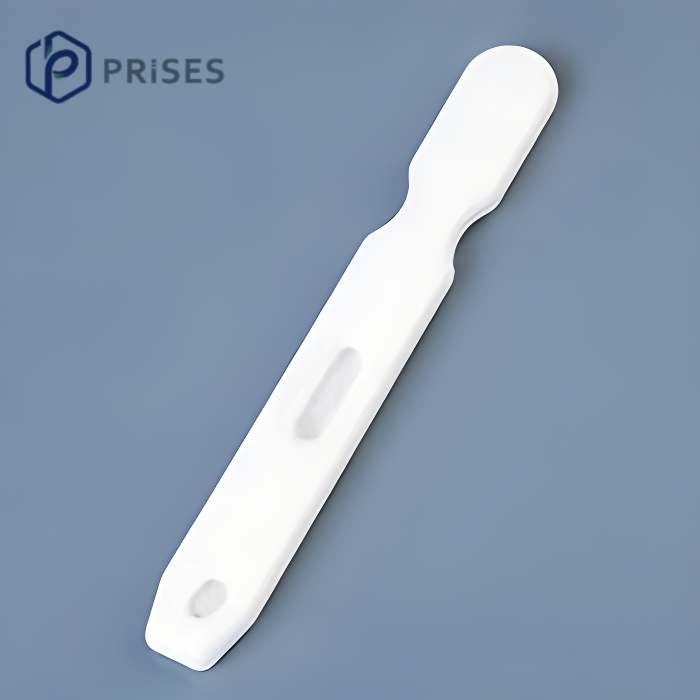
The versatility of the empty abs plastic cassette makes it indispensable across a broad spectrum of diagnostic applications. Its robust design provides a stable platform for various lateral flow immunoassay formats.
Key Application Areas:
- Infectious Disease Diagnostics: Widely used in rapid antigen test kit Covid 19 and rapid test plastic cassette formats for diseases like Influenza, HIV, Malaria, Dengue, and Hepatitis. The cassette protects the nitrocellulose membrane and ensures consistent sample flow for accurate detection of pathogens or antibodies.
- Pregnancy and Fertility Testing: Standard housing for hCG pregnancy tests and LH ovulation tests, providing a clear window for result interpretation.
- Drug of Abuse Testing: Multi-panel drug tests often utilize plastic housing cassettes to incorporate several test strips simultaneously for rapid screening.
- Biomarker Detection: Employed in tests for cardiac markers, tumor markers, and other disease-specific biomarkers, particularly in point-of-care settings where immediate results are crucial.
- Veterinary Diagnostics: Used for rapid screening of animal diseases, facilitating quick decisions on animal health management.
- Environmental and Food Safety Testing: Applications include detecting contaminants, allergens, or pathogens in food and environmental samples.
The design of a lateral flow plastic cassette ensures that the sample is introduced consistently, flows across the conjugate pad, reacts with specific reagents on the nitrocellulose membrane, and is absorbed by the wicking pad, all within a controlled environment. This precise control over the microfluidic path is paramount for accurate and reproducible diagnostic results, making the test strip empty cassette a fundamental component in modern diagnostics.
Technical Advantages
The use of high-precision molded ABS plastic housing cassettes offers significant technical advantages for diagnostic kit manufacturers:
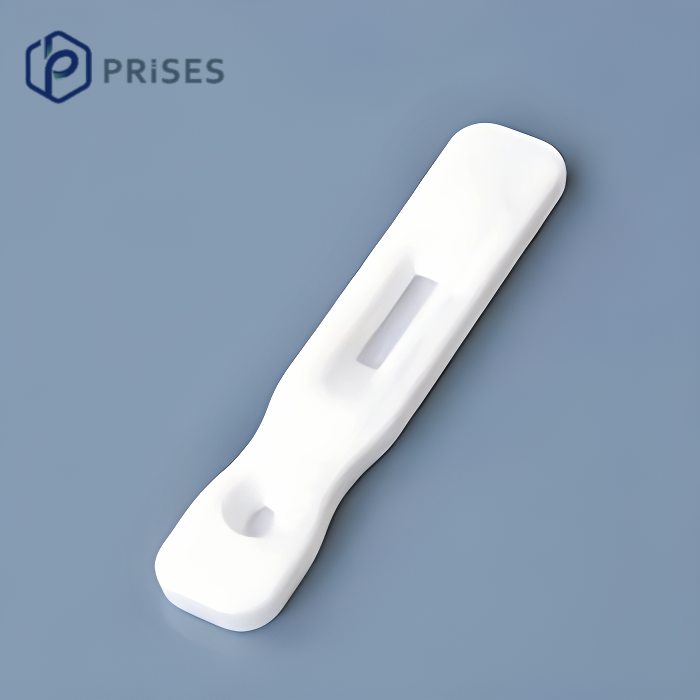
- Precision Engineering: Consistent dimensional accuracy ensures reliable assembly with diagnostic strips, minimizing manufacturing defects and enhancing overall test reliability. The tightly controlled geometry around the viewing window is crucial for clear and unambiguous result interpretation.
- Material Stability and Biocompatibility: Medical-grade ABS is inert, non-reactive with biological samples and reagents, and typically compliant with ISO 10993 for surface-contacting medical devices. This prevents interference with assay chemistry.
- Robust Protection: The rigid structure of the plastic cassette for test protects the delicate nitrocellulose membrane and other assay components from physical damage, moisture, and environmental contaminants, extending the shelf life and stability of the test kit.
- Optimal Fluid Dynamics: Internal features are designed to facilitate consistent capillary flow of the sample across the test strip, which is critical for achieving accurate and reproducible results, reducing the likelihood of false positives or negatives.
- User-Friendly Design: The ergonomic design often includes a clear viewing window, easy-to-use sample application area, and a label-friendly surface, enhancing the overall user experience and reducing potential for errors during testing.
- Scalability and Cost-Effectiveness: Advanced injection molding allows for high-volume production at competitive costs, which is vital for widespread deployment of diagnostic tests, such as rapid antigen test kit Covid initiatives.
Vendor Comparison Considerations
When selecting a supplier for an empty abs plastic cassette, B2B decision-makers must consider several critical factors beyond just price. The quality and consistency of these components directly impact the reliability and regulatory compliance of the final diagnostic product.
Key Comparison Points for Suppliers:
| Feature/Criterion | High-Performing Vendor | Average Vendor |
|---|---|---|
| Quality Certifications | ISO 13485, ISO 9001, Cleanroom production (ISO 7/8) | ISO 9001 only, limited cleanroom facilities |
| Dimensional Tolerance Control | +/- 0.05 mm or better, 100% optical inspection | +/- 0.1 mm, statistical sampling inspection |
| Material Sourcing & Traceability | Validated medical-grade ABS, full batch traceability | Standard ABS, limited traceability |
| Customization & R&D Support | In-house design, prototyping, mold making, DFM expertise | Limited customization, relies on client designs |
| Lead Time & Fulfillment | Reliable lead times, robust supply chain, global logistics | Variable lead times, potential supply chain disruptions |
| Post-Sales Support | Dedicated account management, technical support, warranty | Basic support, limited issue resolution |
A thorough vendor assessment should include factory audits, review of quality control documentation, and sample evaluation to ensure that the chosen supplier can consistently meet the stringent demands of the diagnostic industry.
Customized Solutions
While standard designs exist, many diagnostic applications require bespoke empty abs plastic cassette solutions. Customization capabilities are crucial for accommodating unique strip dimensions, specific fluidic pathways, integration with automated assembly lines, or branding requirements.
Experienced manufacturers offer comprehensive custom services, including:
- Design and Engineering: Collaborative design process using advanced CAD software to optimize internal geometry for specific assay characteristics (e.g., sample volume, flow rate, detection window size).
- Material Selection: While ABS is common, alternatives like medical-grade Polycarbonate (PC) or blends may be explored for enhanced transparency, heat resistance, or chemical compatibility.
- Prototyping: Rapid prototyping through 3D printing or soft tooling to validate designs before committing to production tooling.
- Mold Fabrication: Development of custom injection molds tailored to the unique specifications, ensuring proprietary designs and precise replication.
- Color Matching and Branding: Custom color options and integration of branding elements or specific textures.
- Integrated Features: Addition of features like tamper-evident seals, desiccant chambers, or specialized vents.
This bespoke approach ensures that the rapid test plastic cassette perfectly complements the diagnostic strip, optimizing analytical sensitivity and specificity, and maintaining the integrity of the diagnostic assay.

Application Case Studies
Case Study 1: High-Volume COVID-19 Rapid Antigen Test Kit
A leading diagnostic manufacturer required a robust and scalable solution for their rapid antigen test kit Covid 19. They partnered with a specialized plastic component supplier to design and produce a bespoke lateral flow plastic cassette. The key challenge was to achieve extremely tight dimensional tolerances for the strip placement and viewing window, ensuring consistent capillary flow across millions of units. By leveraging DFM (Design for Manufacturability) expertise, the supplier optimized the ABS injection molding process, implementing automated optical inspection at each stage. This resulted in a defect rate of less than 0.01% for the empty abs plastic cassette, enabling the client to scale production rapidly and meet urgent global demand, contributing significantly to public health efforts.
Case Study 2: Multiplex Diagnostic Platform
A biotechnology company developing a novel multiplex assay for concurrent detection of multiple disease biomarkers faced challenges with existing plastic housing cassettes, which lacked the necessary internal architecture to support multiple test lines without cross-contamination. Collaborating with a custom plastics manufacturer, a new test strip empty cassette was engineered with precise internal dividers and optimized wicking pad contact points. The custom design provided individual channels for each test line, maintaining assay integrity and improving the analytical specificity of the multiplex platform. The supplier’s expertise in advanced toolmaking and cleanroom assembly ensured the successful launch of this innovative diagnostic product.

Quality Assurance and Certifications
Adherence to stringent quality management systems is non-negotiable for medical device components. A reputable manufacturer of empty abs plastic cassette units will demonstrate robust quality assurance protocols and relevant certifications.
- ISO 13485:2016 Certification: Specifies requirements for a quality management system where an organization needs to demonstrate its ability to provide medical devices and related services that consistently meet customer and applicable regulatory requirements.
- ISO 9001:2015 Certification: Demonstrates a commitment to quality management principles and continuous improvement across all operations.
- Cleanroom Manufacturing: Production in ISO Class 7 or Class 8 cleanrooms is essential to control particulate contamination, especially for lateral flow plastic cassette intended for sterile or near-sterile applications.
- Biocompatibility Testing: Materials used are often pre-tested or certified to meet ISO 10993 standards, ensuring they are safe for their intended biological contact applications.
- Statistical Process Control (SPC): Implementation of SPC methodologies during manufacturing helps monitor and control the production process, reducing variability and ensuring consistent product quality.
These certifications and processes provide critical assurance to diagnostic companies, guaranteeing that the components meet the highest industry standards and regulatory expectations.
Logistics, Warranty, and Customer Support
FAQ Module:
-
Q: What is the typical lead time for standard plastic housing cassettes?
A: For standard designs and established molds, lead times typically range from 3-5 weeks, depending on order volume and current production schedules. Custom orders may require longer lead times for mold fabrication. -
Q: Are your test strip empty cassette products compatible with automated assembly lines?
A: Yes, our standard and custom cassettes are designed with automated assembly in mind, ensuring consistent pick-and-place functionality and precise strip insertion. We can provide technical drawings and samples for validation. -
Q: How do you ensure product consistency across large batches?
A: We implement robust Statistical Process Control (SPC) and 100% automated optical inspection for critical dimensions. Our ISO 13485 certified quality management system ensures consistent quality from raw material to final product.
Lead Time and Fulfillment:
We offer efficient lead times and robust supply chain management to meet the dynamic needs of the diagnostics industry. Standard products typically ship within 3-5 weeks from order confirmation. For custom solutions, prototyping and tooling phases will add to the initial lead time, with production lead times generally aligning with standard products once molds are approved. We provide global logistics support, working with trusted carriers to ensure timely and secure delivery.
Warranty Commitments:
Our empty abs plastic cassette products come with a comprehensive warranty against manufacturing defects for a period of 12 months from the date of shipment, provided they are stored and handled according to our specifications. This warranty underscores our confidence in the quality and durability of our products.
Customer Support:
We are committed to exceptional customer support. Our dedicated technical sales team provides expert guidance from initial design consultation through to post-delivery assistance. We offer technical documentation, material certifications, and responsive troubleshooting services to ensure seamless integration and optimal performance of our components within your diagnostic systems.
Conclusion
The empty abs plastic cassette stands as a foundational component in the modern rapid diagnostic industry. Its critical role in protecting sensitive assay components, ensuring precise fluid dynamics, and facilitating accurate result interpretation cannot be overstated. By prioritizing advanced materials, stringent manufacturing processes, and adherence to global quality standards, manufacturers can deliver diagnostic kits that meet the demanding performance and regulatory requirements of today's healthcare landscape. Partnering with a specialized and reputable supplier for these essential plastic housing cassettes is key to innovation, scalability, and ultimately, improving global health outcomes.
References
- ISO 13485:2016 Medical devices – Quality management systems – Requirements for regulatory purposes. International Organization for Standardization.
- ISO 10993 Biological evaluation of medical devices. International Organization for Standardization.
- US Food and Drug Administration (FDA) Guidance Documents for In Vitro Diagnostic Products.
- European Commission Regulation (EU) 2017/746 on in vitro diagnostic medical devices.
- Polymer Science and Engineering: Properties and Applications. Joel R. Fried. Prentice Hall PTR, 2003.
- Lateral Flow Immunoassay. Richard R. Montagna. Methods in Molecular Biology, Vol. 1383, 2016.
-
Buy at home covid test rapid covid test kit antigen test covid19
NewsApr.16,2026
-
Covid19 Antigent Test Kit Cassette Covid Test Rapid Diagnostic Covid 19 Antigen Rapid Test
NewsApr.09,2026
-
Comprehensive Guide to Antigen Covid Test Covid Saliva Test and Covid Test Kit 19 Options
NewsApr.07,2026
-
Comprehensive Guide to Test Kit Covid Covid19 Rapid Antigen Test Self Test Covid Options
NewsApr.04,2026
-
Comprehensive Guide to Rapid Test Kits COVID19 for Accurate Covid Self Test Results
NewsMar.31,2026
-
Comprehensive Guide to Rapid Antigen Test Kit Covid 19 Covid Rapid Test Kit Test Kit Covid 19
NewsMar.28,2026