The global landscape is facing unprecedented challenges in disease detection and prevention, with rapid and accurate diagnostics playing a pivotal role. covid 19 rapid test are becoming increasingly crucial for controlling outbreaks, enabling timely treatment, and informing public health strategies. These tests offer a swift alternative to traditional laboratory-based methods, providing results in minutes rather than days. This speed is particularly vital in situations where immediate action is required, such as during the early stages of an epidemic or when managing localized outbreaks.
The demand for efficient and accessible diagnostic tools like covid 19 rapid test has surged in recent years, driven by the COVID-19 pandemic and the growing awareness of the importance of proactive health monitoring. According to the World Health Organization (WHO), widespread testing is a cornerstone of pandemic response, allowing for effective contact tracing and isolation measures. The development and deployment of these tests have significantly impacted healthcare systems worldwide, and their continued innovation is essential for preparedness against future health crises.
The benefits of widespread access to covid 19 rapid test extend beyond immediate clinical care. They empower individuals to take control of their health, facilitate safe travel and social interactions, and contribute to the overall stability of communities. Furthermore, these tests can be deployed in resource-limited settings, bridging gaps in healthcare access and reducing disparities in health outcomes.
Introduction to covid 19 rapid test
covid 19 rapid test have emerged as a transformative tool in modern healthcare, offering a quick and convenient way to detect the presence of the virus. Unlike traditional PCR tests that require specialized laboratory equipment and skilled personnel, rapid tests can be administered at the point of care, providing results within minutes. This accessibility is particularly crucial in resource-limited settings and for rapid response during outbreaks.
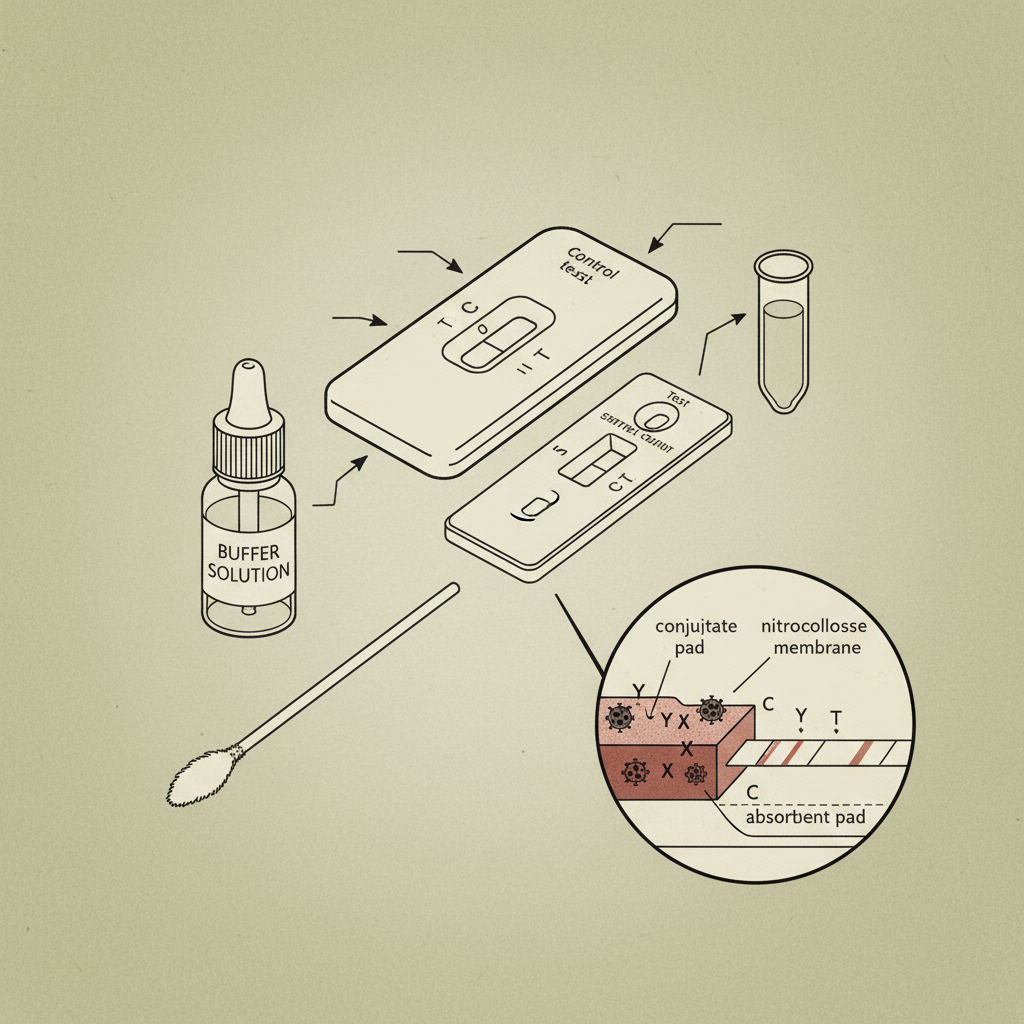
The principle behind most rapid tests involves detecting specific viral antigens – proteins found on the surface of the virus. These tests typically use antibody-based assays that bind to the antigen, producing a visible signal, such as a colored line, indicating a positive result. While rapid tests may have slightly lower sensitivity compared to PCR tests, their speed and ease of use make them invaluable in many scenarios, especially for early detection and immediate isolation of infected individuals.
Understanding the Science Behind covid 19 rapid test
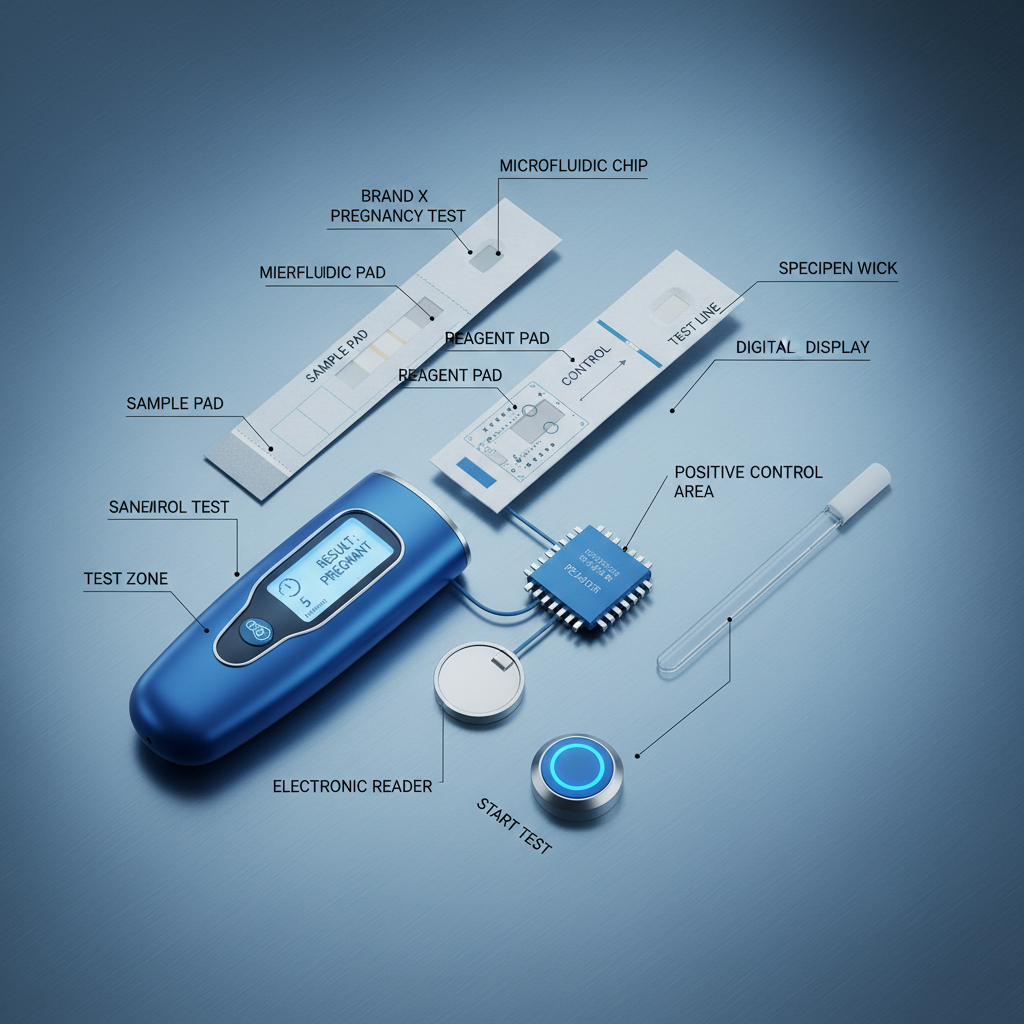
At the core of covid 19 rapid test lies the principle of immunochemical reactions. These tests utilize antibodies, specifically designed to bind to the antigens present on the SARS-CoV-2 virus. The reaction between the antibody and antigen creates a detectable complex, often visualized through colorimetric or fluorescent methods. Different types of rapid tests employ variations in antibody production and detection techniques.
The most common types include lateral flow immunoassays (LFIA), commonly known as rapid antigen tests, and molecular rapid tests, which offer slightly higher sensitivity through rapid PCR or other nucleic acid amplification techniques. The accuracy of these tests depends on factors such as the quality of antibodies, the concentration of viral load in the sample, and the proper execution of the testing procedure.
Understanding the limitations of each type of test is crucial. Rapid antigen tests are best used when the viral load is high, typically during the symptomatic phase of infection. Molecular rapid tests, while more sensitive, can be more complex to perform and may require specialized equipment.
Key Components of a Successful covid 19 rapid test
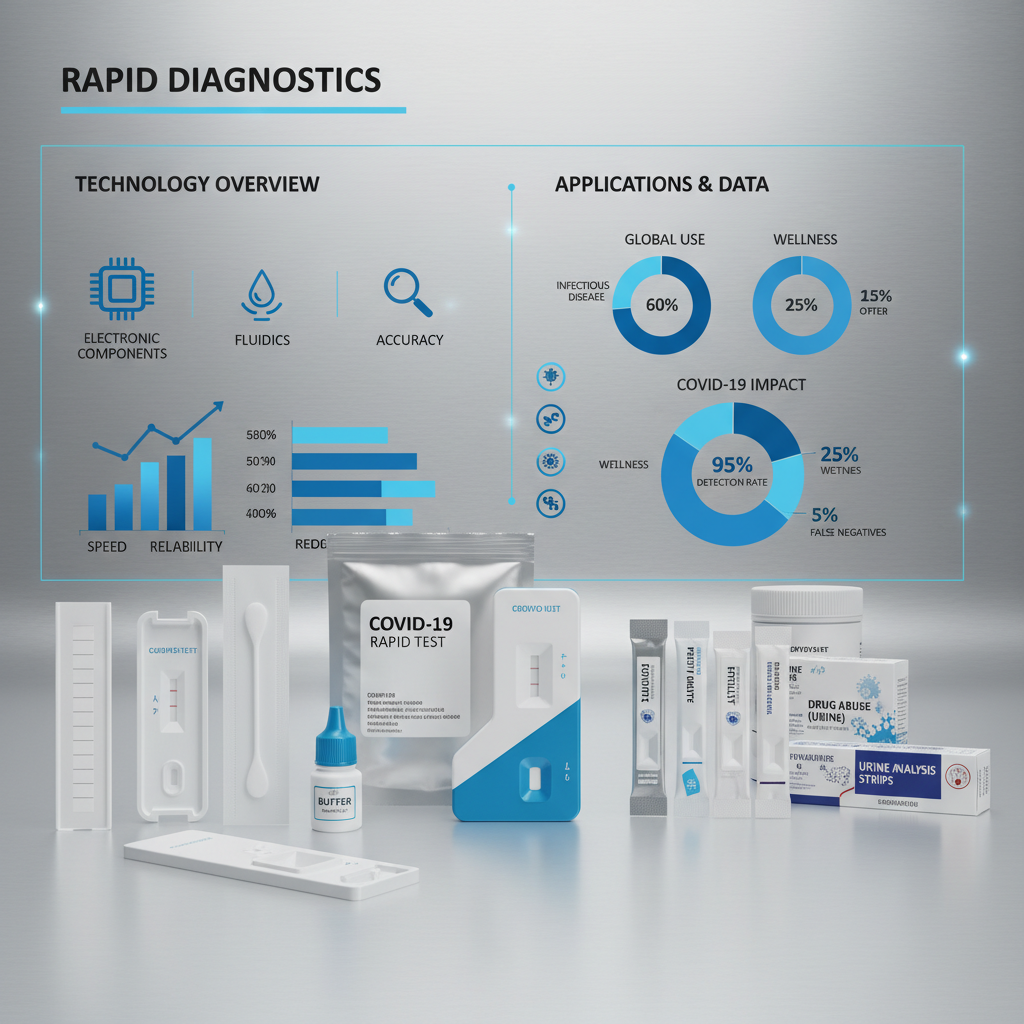
A successful covid 19 rapid test deployment relies on several key components. First and foremost is test accuracy, encompassing both sensitivity (the ability to correctly identify positive cases) and specificity (the ability to correctly identify negative cases). High accuracy minimizes false positives and false negatives, ensuring reliable results.
Secondly, ease of use and rapid turnaround time are critical. The tests should be simple to administer, requiring minimal training and equipment. Results must be available quickly, ideally within 15-30 minutes, to enable timely decision-making. Thirdly, cost-effectiveness is essential for widespread accessibility, particularly in low-resource settings.
Finally, a robust supply chain and efficient logistics are vital to ensure a consistent supply of tests and their timely delivery to where they are needed. Maintaining proper storage conditions (temperature control) is also crucial to preserve test integrity and performance.
Global Applications of covid 19 rapid test
covid 19 rapid test are being deployed globally in diverse settings to address the ongoing pandemic and prepare for future outbreaks. In healthcare facilities, they enable rapid triage of patients, facilitating prompt diagnosis and isolation. In schools and workplaces, they support routine screening programs, identifying infected individuals and preventing further transmission.
In remote and rural areas with limited access to laboratory infrastructure, these tests provide a lifeline for disease detection and management. In post-disaster relief operations, rapid testing can quickly assess the health status of affected populations and guide resource allocation. They are also becoming increasingly important for safe travel and large-scale events, allowing for pre-event screening and minimizing the risk of outbreaks.
Comparative Performance of covid 19 rapid test Methods
Advantages and Long-Term Impact of covid 19 rapid test
The widespread adoption of covid 19 rapid test offers numerous tangible benefits. The most significant is the reduction in time to diagnosis, allowing for quicker isolation of infected individuals and a decrease in community transmission. This is particularly crucial in controlling outbreaks and preventing overwhelming healthcare systems.
Furthermore, rapid tests empower individuals to take proactive steps to protect themselves and others, promoting responsible behavior and contributing to a sense of safety and control. The long-term impact extends beyond the current pandemic, establishing a foundation for improved pandemic preparedness and strengthening global health security.
Future Trends in covid 19 rapid test Technology
The future of covid 19 rapid test is poised for significant advancements. Researchers are actively developing multiplex tests capable of detecting multiple respiratory pathogens simultaneously, providing a more comprehensive diagnostic picture. Innovations in biosensor technology promise even faster and more accurate results, potentially enabling real-time monitoring of viral load.
The integration of artificial intelligence (AI) and machine learning (ML) is expected to play a crucial role in data analysis and interpretation, improving test accuracy and predicting outbreak patterns. Furthermore, advancements in point-of-care molecular diagnostics are making highly sensitive tests more accessible and affordable.
Challenges and Solutions in covid 19 rapid test Deployment
Despite their advantages, challenges remain in the widespread deployment of covid 19 rapid test. These include ensuring equitable access, particularly in low-resource settings, addressing concerns about test accuracy, and managing supply chain disruptions.
Solutions involve international collaboration to increase test production and distribution, investment in research and development to improve test performance, and implementation of robust quality control measures. Training programs for healthcare workers and community health officials are essential to ensure proper test administration and interpretation.
Addressing public concerns through transparent communication and education is also vital to foster trust and encourage widespread participation in testing programs.
Summary of Key Considerations for Successful covid 19 rapid test Deployment
| Deployment Context |
Test Selection Criteria |
Logistical Requirements |
Quality Control Measures |
| Urban Healthcare Facilities |
High sensitivity, Rapid turnaround |
Cold chain storage, Trained personnel |
Regular proficiency testing |
| Remote Rural Communities |
Ease of use, Minimal equipment |
Temperature-stable tests, Mobile testing units |
External quality assessment |
| Schools and Workplaces |
Cost-effectiveness, Simple administration |
On-site testing locations, Designated personnel |
Adherence to testing protocols |
| Mass Gathering Events |
High throughput, Fast results |
Dedicated testing stations, Efficient data management |
Real-time data monitoring |
| Post-Disaster Response |
Portability, Minimal infrastructure |
Field-deployable testing kits, Mobile labs |
Rapid result reporting |
| International Travel Screening |
High specificity, Global standards |
Accredited testing facilities, Secure data transfer |
Compliance with international regulations |
FAQS
While PCR tests are generally considered the gold standard for COVID-19 detection, covid 19 rapid test offer a valuable alternative, particularly when rapid results are needed. Rapid tests typically have a slightly lower sensitivity than PCR tests, meaning they may miss some positive cases, especially those with low viral loads. However, they excel in specificity, minimizing false positives. The accuracy of rapid tests varies depending on the brand and the timing of the test during the course of infection.
One of the key benefits of covid 19 rapid test is their speed. Most tests provide results within 15-30 minutes, making them ideal for point-of-care settings and situations requiring immediate decisions. This rapid turnaround time allows for quick isolation of infected individuals and prompt implementation of public health measures. The exact time may vary slightly depending on the specific test and the operator’s proficiency.
Yes, many covid 19 rapid test are now available for over-the-counter (OTC) home use. These tests are designed to be self-administered, providing individuals with a convenient way to check for infection without visiting a healthcare facility. It's important to follow the instructions carefully to ensure accurate results. Home tests are particularly useful for individuals experiencing mild symptoms or those who have been exposed to the virus.
If you receive a positive result on a covid 19 rapid test, it's crucial to isolate yourself immediately to prevent further transmission. You should also notify your healthcare provider and follow their recommendations, which may include further testing (such as a PCR test to confirm the result) and monitoring for symptoms. It’s essential to inform close contacts and adhere to public health guidelines regarding isolation and quarantine.
While covid 19 rapid test are generally effective at detecting most variants of the virus, their accuracy can be affected by significant mutations in the viral antigen. Manufacturers are continuously monitoring the performance of their tests against emerging variants and updating their designs as needed. It’s important to use tests that have been validated for detection of current circulating strains.
Reliable information about covid 19 rapid test can be found on reputable sources such as the World Health Organization (WHO), the Centers for Disease Control and Prevention (CDC), and your local public health agency. These organizations provide up-to-date guidance on testing procedures, interpretation of results, and public health recommendations. It's important to avoid misinformation and rely on credible sources.
Conclusion
In conclusion, covid 19 rapid test have revolutionized disease detection, offering a swift, accessible, and cost-effective solution for managing outbreaks and protecting public health. Their ability to provide rapid results empowers individuals, healthcare professionals, and communities to make informed decisions and take timely action. The ongoing development of innovative testing technologies promises even greater accuracy, efficiency, and accessibility in the future.
Looking ahead, continued investment in research, development, and deployment of covid 19 rapid test is crucial for strengthening global health security and preparing for future pandemics. Expanding access to these tests in resource-limited settings, fostering international collaboration, and promoting public awareness are essential steps toward building a more resilient and equitable healthcare system. Visit our website at www.prisesbio.com to learn more about our range of rapid testing solutions.