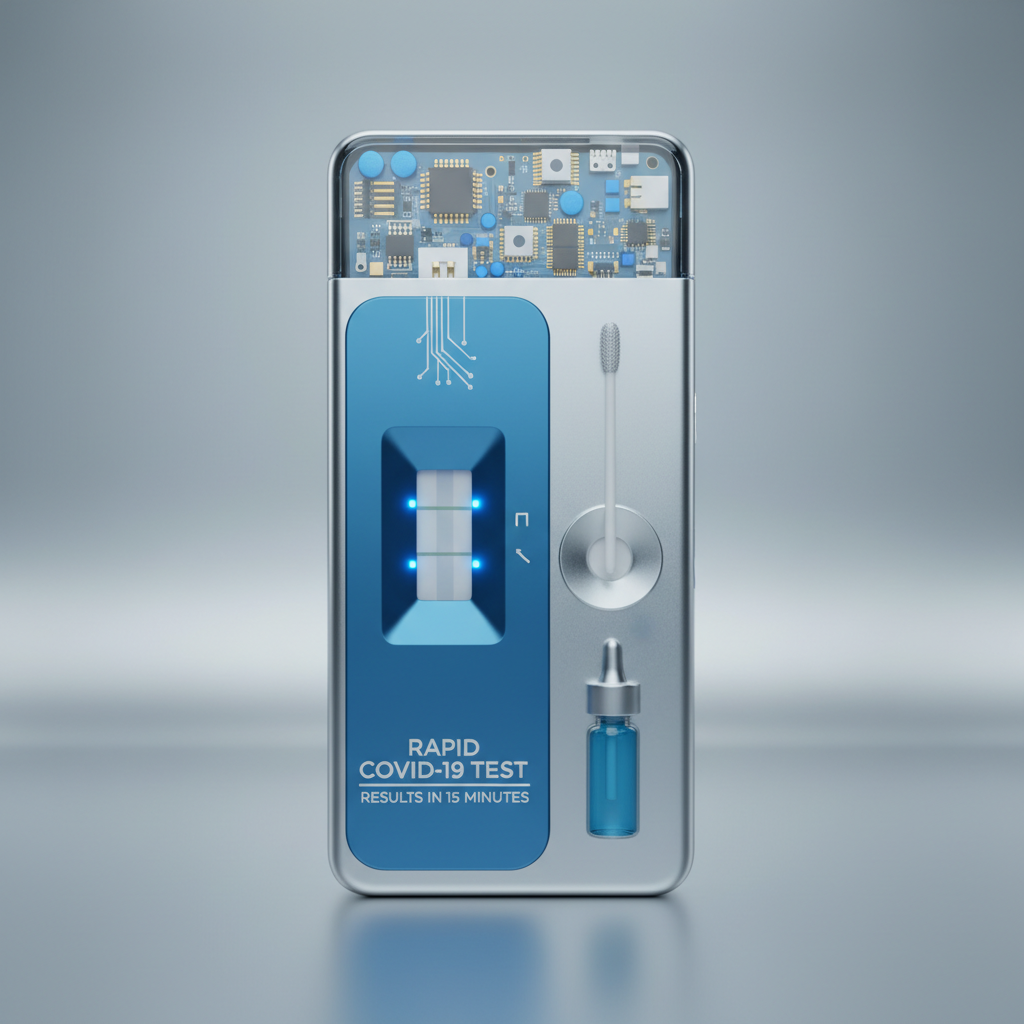
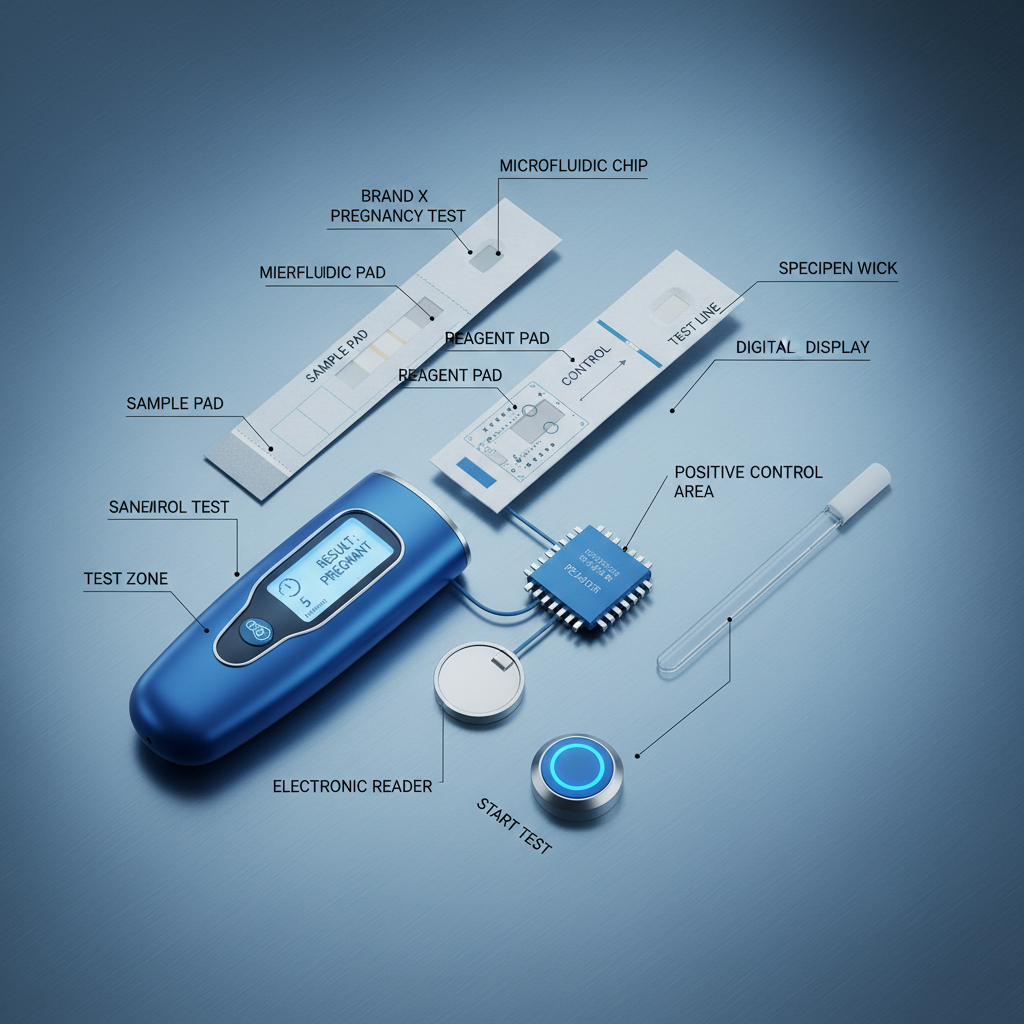
The advent of rapid diagnostic testing, particularly the rapid covid test, has become paramount in global health security. These tests offer a quick, accessible, and relatively inexpensive means of identifying infections, enabling swift public health responses and individual care decisions. The ability to rapidly detect and isolate cases is critical in mitigating the spread of infectious diseases, protecting vulnerable populations, and minimizing societal disruption. Understanding the capabilities and limitations of these tests is vital for effective pandemic preparedness and management.
The global demand for rapid diagnostics has surged in recent years, driven by the COVID-19 pandemic. This surge highlighted critical gaps in existing testing infrastructure, particularly in resource-limited settings. According to the World Health Organization (WHO), equitable access to diagnostic testing is a cornerstone of pandemic response. Rapid covid test technologies have played a vital role in expanding testing capacity, enabling early detection, and supporting contact tracing efforts worldwide. The impact extends beyond immediate health outcomes to economic stability and social well-being.
The development and deployment of affordable and reliable rapid covid test solutions are not merely a scientific endeavor, but a humanitarian imperative. These tests empower individuals to take control of their health, reduce the burden on healthcare systems, and facilitate safe return to work, school, and social activities. The ongoing innovation in this field promises even more accurate, convenient, and accessible diagnostic tools for the future.
The Global Significance of rapid covid test
The widespread availability of rapid covid test has fundamentally altered our approach to infectious disease management. Prior to the development of these tests, diagnosis often relied on laboratory-based methods, which could take days to yield results. This delay hindered timely interventions and contributed to broader outbreaks. The speed with which a rapid test can provide a result is its most significant advantage, allowing for immediate isolation and treatment decisions.
The economic impact of the COVID-19 pandemic underscored the importance of rapid diagnostic testing. Prolonged lockdowns and business closures resulted in significant economic losses. The ability to quickly identify and isolate cases enabled a more targeted and less disruptive approach to pandemic control, mitigating some of the economic fallout. Investing in rapid diagnostic capabilities is, therefore, a crucial component of economic resilience.
Defining rapid covid test
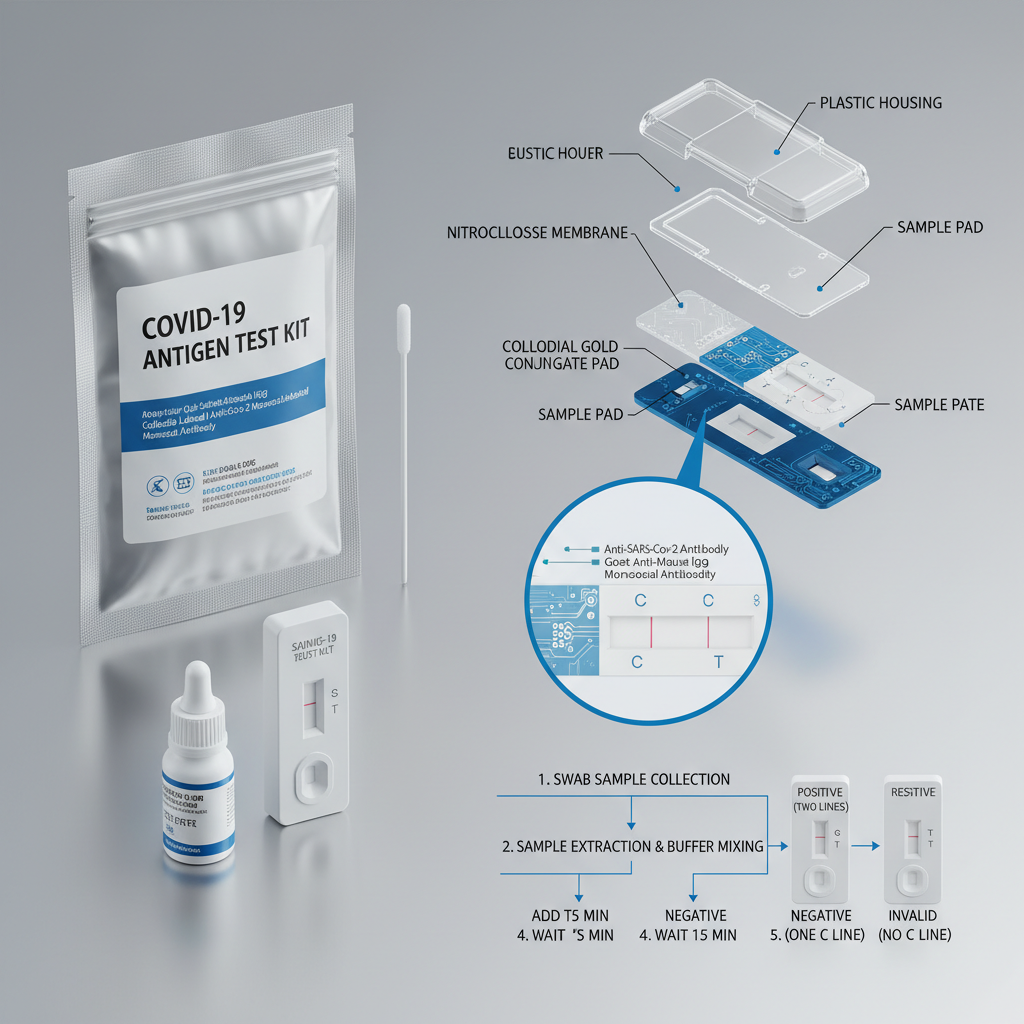
A rapid covid test is a diagnostic test designed to detect the presence of a specific pathogen, in this case, SARS-CoV-2, the virus that causes COVID-19, within a short timeframe – typically within 30 minutes. These tests generally operate on the principle of detecting viral antigens or antibodies produced by the body in response to infection. They are often point-of-care tests, meaning they can be administered and results read outside of traditional laboratory settings.
Unlike the more sensitive polymerase chain reaction (PCR) tests, rapid antigen tests do not amplify viral genetic material. This means they are generally less sensitive and may produce false negative results, particularly in individuals with low viral loads. However, their speed, convenience, and lower cost make them valuable tools for mass screening and early detection, especially when widespread PCR testing is not feasible.
The connection to modern humanitarian needs is clear. Rapid diagnostics enable early intervention in outbreak situations, preventing wider spread within vulnerable communities. They are also crucial for monitoring the effectiveness of public health interventions, such as vaccination campaigns, and adapting strategies as needed.
Core Components of Effective rapid covid test
Several key factors determine the effectiveness of a rapid covid test. Sensitivity refers to the test’s ability to correctly identify positive cases, while specificity indicates its ability to correctly identify negative cases. A high sensitivity minimizes false negatives, while high specificity minimizes false positives. These are crucial metrics for reliable diagnosis.
Turnaround time is another critical component. The advantage of a rapid test lies in its speed; results must be available quickly to facilitate timely interventions. Ease of use is also important, particularly for point-of-care applications. Tests that require minimal training and complex procedures are more likely to be widely adopted.
Finally, cost-effectiveness plays a crucial role in accessibility. Affordable tests are essential for widespread screening and equitable access, particularly in resource-limited settings. The combined effect of these features determines how well a rapid test fulfills its critical role in public health.
Practical Applications of rapid covid test
The practical applications of rapid covid test are diverse and expanding. They are widely used in healthcare settings, such as hospitals and clinics, for quick diagnosis and triage of patients presenting with COVID-19 symptoms. This allows for prompt isolation of infected individuals and appropriate medical care.
Beyond healthcare, these tests are employed in schools and workplaces for routine screening, helping to identify asymptomatic carriers and prevent outbreaks. They are also invaluable in event settings, such as concerts and sporting events, to ensure the safety of attendees.
rapid covid test Performance Comparison
Global Applications & Use Cases
In post-disaster relief operations, rapid covid test is invaluable for quickly assessing health risks and preventing outbreaks among displaced populations. The ability to provide immediate diagnostic information is vital when traditional healthcare infrastructure is compromised.
In remote industrial zones, where access to healthcare is limited, these tests allow for on-site screening of workers, protecting both employee health and operational continuity. They are also crucial in border control settings for screening travelers and preventing the importation of infectious diseases.
Advantages & Long-Term Value
The advantages of employing rapid covid test extend far beyond immediate infection control. Their relatively low cost compared to PCR testing makes them accessible to a wider range of populations and settings. The speed of results translates to faster treatment initiation and reduced transmission rates, decreasing the overall burden on healthcare systems.
From a societal perspective, these tests promote a sense of safety and empowerment. Individuals are better equipped to make informed decisions about their health and protect themselves and others. Investing in and continuously improving rapid diagnostic capabilities is a proactive step towards building a more resilient and prepared society.
The long-term value stems from the lessons learned during the pandemic, highlighting the importance of preparedness and the need for readily available diagnostic tools. This will enhance trust in public health infrastructure and enable more effective responses to future health emergencies.
Future Trends & Innovations
Future advancements in rapid covid test technology are focused on improving sensitivity and specificity. Researchers are exploring new antigen detection methods and developing multiplex assays that can simultaneously detect multiple pathogens. Integration with digital health platforms will also play a crucial role, enabling real-time data monitoring and surveillance.
The development of fully automated and point-of-care diagnostic devices is another promising trend. These devices would require minimal user intervention and provide results quickly and accurately, making them ideal for use in remote and resource-limited settings. Sustainability will also be a key consideration, with a focus on developing eco-friendly test components and reducing waste.
Policy changes and increased funding for research and development are essential to accelerate these innovations and ensure equitable access to advanced diagnostic tools worldwide.
Challenges & Solutions
Despite the advancements in rapid covid test technology, several challenges remain. One primary concern is the relatively lower sensitivity compared to PCR tests, leading to a higher rate of false negatives. This can be mitigated through improved test design and implementation, as well as the use of confirmatory testing for individuals with negative results who are suspected of having an infection.
Supply chain disruptions and equitable distribution remain significant hurdles. Ensuring a reliable and consistent supply of tests, particularly to underserved communities, requires proactive planning and international cooperation. Investment in local manufacturing capacity can also help to address these challenges.
Another challenge is the interpretation of results, particularly in asymptomatic individuals. Clear and consistent guidance is needed to help individuals and healthcare providers understand the limitations of rapid tests and make informed decisions.
Analysis of rapid covid test Challenges and Potential Solutions
| Challenge |
Impact Level (1-10) |
Potential Solution |
Implementation Cost (Low/Medium/High) |
| False Negative Rate |
8 |
Improved Antigen Detection Technologies |
Medium |
| Supply Chain Issues |
7 |
Diversification of Manufacturers and Local Production |
High |
| Equitable Distribution |
9 |
Targeted Funding and Distribution Programs |
Medium |
| Result Interpretation |
6 |
Clearer Guidelines and Public Education |
Low |
| Limited Shelf Life |
5 |
Improved Storage and Transportation Methods |
Medium |
| Cost of Testing |
4 |
Government Subsidies and Bulk Purchasing |
High |
FAQS
While PCR tests are generally considered the “gold standard” for accuracy, rapid antigen tests have significantly improved. Rapid tests are less sensitive, meaning they may miss some cases, particularly those with low viral loads. However, they excel at identifying individuals who are highly infectious. A positive rapid test is generally highly reliable, while a negative result may warrant confirmatory PCR testing, especially if symptoms are present.
A negative rapid test can reduce the risk of attending a large event, but it does not eliminate it entirely. Due to the possibility of false negatives, it’s important to remain vigilant and practice other preventative measures, such as masking, social distancing, and hand hygiene. Consider testing again closer to the event and monitoring for any symptoms.
If you receive a positive result on a rapid covid test, it is important to isolate yourself immediately to prevent further spread. Contact your healthcare provider for guidance on appropriate medical care and follow their recommendations. Inform close contacts so they can also get tested and monitor for symptoms.
One of the primary benefits of a rapid test is the speed of results. Most rapid tests provide results within 15-30 minutes. This quick turnaround time allows for timely decision-making regarding isolation, treatment, and contact tracing.
Many rapid covid test kits are now authorized for over-the-counter (OTC) home use. These kits are designed to be user-friendly and provide results quickly and conveniently in the privacy of your own home. However, it's crucial to follow the instructions carefully to ensure accurate results.
The shelf life of a rapid test varies depending on the manufacturer and storage conditions. It is important to check the expiration date on the test kit before use. Expired tests may produce inaccurate results. Store tests according to the manufacturer's instructions, typically in a cool, dry place.
Conclusion
In conclusion, rapid covid test have proven to be an indispensable tool in the fight against infectious diseases. Their speed, accessibility, and affordability have revolutionized diagnostic capabilities, enabling proactive public health responses and protecting communities worldwide. The ongoing development of more accurate, convenient, and cost-effective tests promises to further enhance our preparedness for future pandemics.
Looking ahead, continued investment in research and development, coupled with equitable access to these vital tools, is crucial. By embracing innovation and fostering international collaboration, we can harness the full potential of rapid diagnostics to build a more resilient and healthier future. Visit our website at www.prisesbio.com to learn more about our rapid testing solutions.