

Mar . 07, 2026 01:45 Back to list
Comprehensive Guide to Rapid Diagnostic Test Malaria for Effective Healthcare Solutions
Understanding Rapid Diagnostic Test Malaria: A Comprehensive Guide
Malaria remains a significant global health challenge, particularly in tropical and subtropical regions. Early and accurate diagnosis is critical for effective treatment and control. Rapid diagnostic tests (RDTs) for malaria have revolutionized diagnosis, offering a quick and accessible alternative to traditional microscopy. This article will explore the principles, benefits, limitations, and future trends of RDTs, with a focus on providing a comprehensive understanding for healthcare professionals and those working in malaria-endemic areas. The advancements in malaria diagnostics are constantly evolving to meet the need for fast and accurate results.
How do Rapid Diagnostic Tests for Malaria Work?
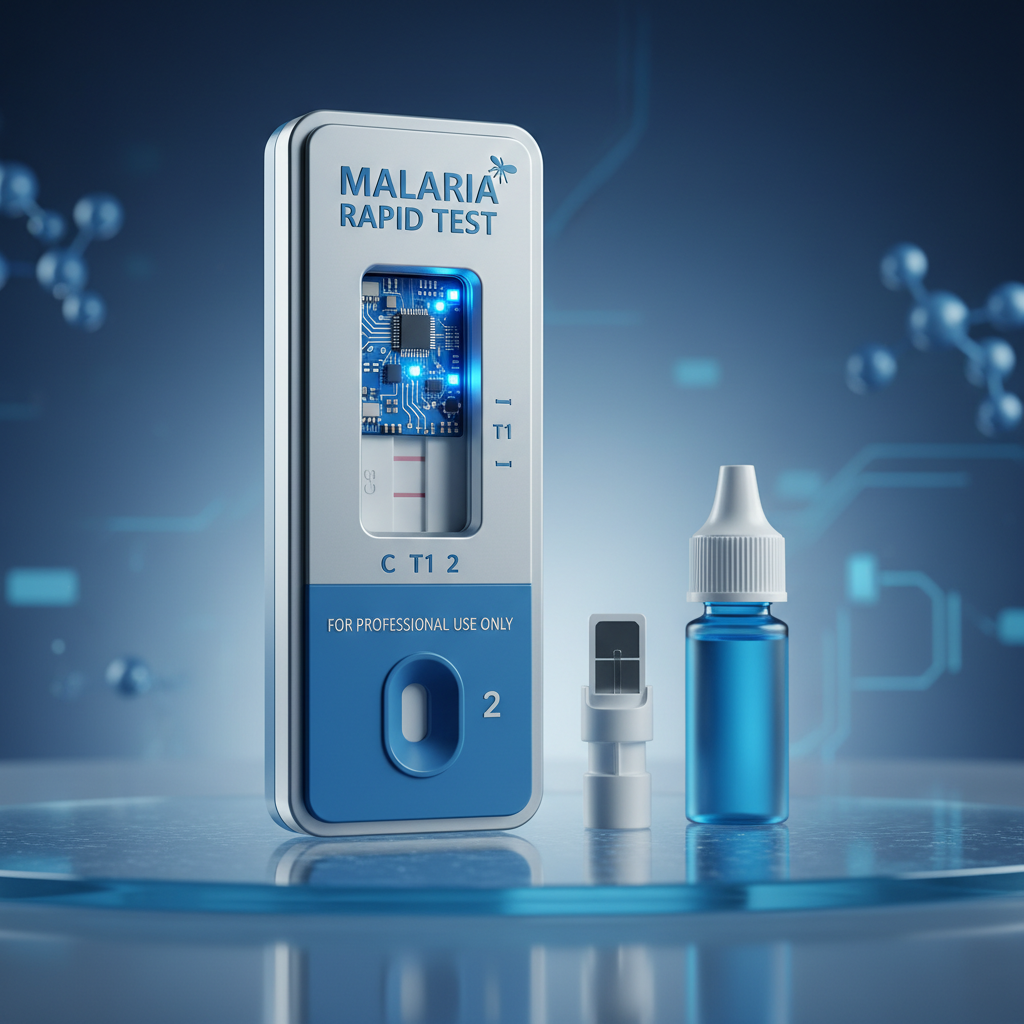
RDTs are immunochromatographic tests that detect specific malaria antigens, primarily from Plasmodium falciparum or Plasmodium vivax, in a blood sample. Typically, a drop of blood is collected (finger-prick or venous) and added to a test device containing antibodies specific to these antigens. If the antigens are present, they bind to the antibodies, forming a visible line on the test strip. Most RDTs detect histidine-rich protein 2 (HRP2), a protein specific to P. falciparum. Some also detect parasite-specific lactate dehydrogenase (pLDH), which is common to all Plasmodium species. The simplicity of this process allows for testing outside of traditional laboratory settings.
Key Highlights: RDTs are immunochromatographic tests that detect malaria antigens in blood samples, offering a quick and accessible diagnostic solution.
Benefits of Using Rapid Diagnostic Tests Malaria
The advantages of using RDTs are numerous. They require minimal training, equipment, and infrastructure, making them ideal for remote and resource-limited settings. Results are available within 15-20 minutes, enabling prompt treatment decisions. RDTs are also relatively inexpensive compared to microscopy, contributing to cost-effectiveness. Their portability allows for point-of-care testing, meaning diagnosis can occur where the patient is located. This is particularly crucial in areas with limited access to healthcare facilities. Prisesbio’s RDTs are designed for ease of use and reliability in these challenging environments.
Key Benefits:
• Minimal training and equipment required
• Rapid results (15-20 minutes)
• Cost-effective
• Point-of-care testing capability
Rapid Diagnostic Test Malaria: Comparison with Microscopy
While microscopy remains the gold standard for malaria diagnosis, RDTs offer a valuable alternative. Microscopy requires skilled personnel and a reliable power supply for illumination. It's also more time-consuming and can be subjective, depending on the microscopist's experience. RDTs bypass these limitations, providing a faster and more objective result. However, RDTs have limitations, such as the potential for false-negative results in low-density infections and false-positive results due to the persistence of HRP2 after successful treatment.
Prisesbio: Your Trusted Partner for Rapid Diagnostic Test Malaria Solutions
Prisesbio is committed to providing high-quality and reliable RDTs for malaria diagnosis. Our products are rigorously tested to ensure accuracy and performance. We offer a range of RDTs suitable for various settings and target populations. We also prioritize affordability and accessibility, aiming to contribute to malaria control efforts worldwide. Our dedication to innovation and quality makes us a trusted partner for healthcare professionals and organizations fighting malaria.
Future Trends in Rapid Diagnostic Test Malaria
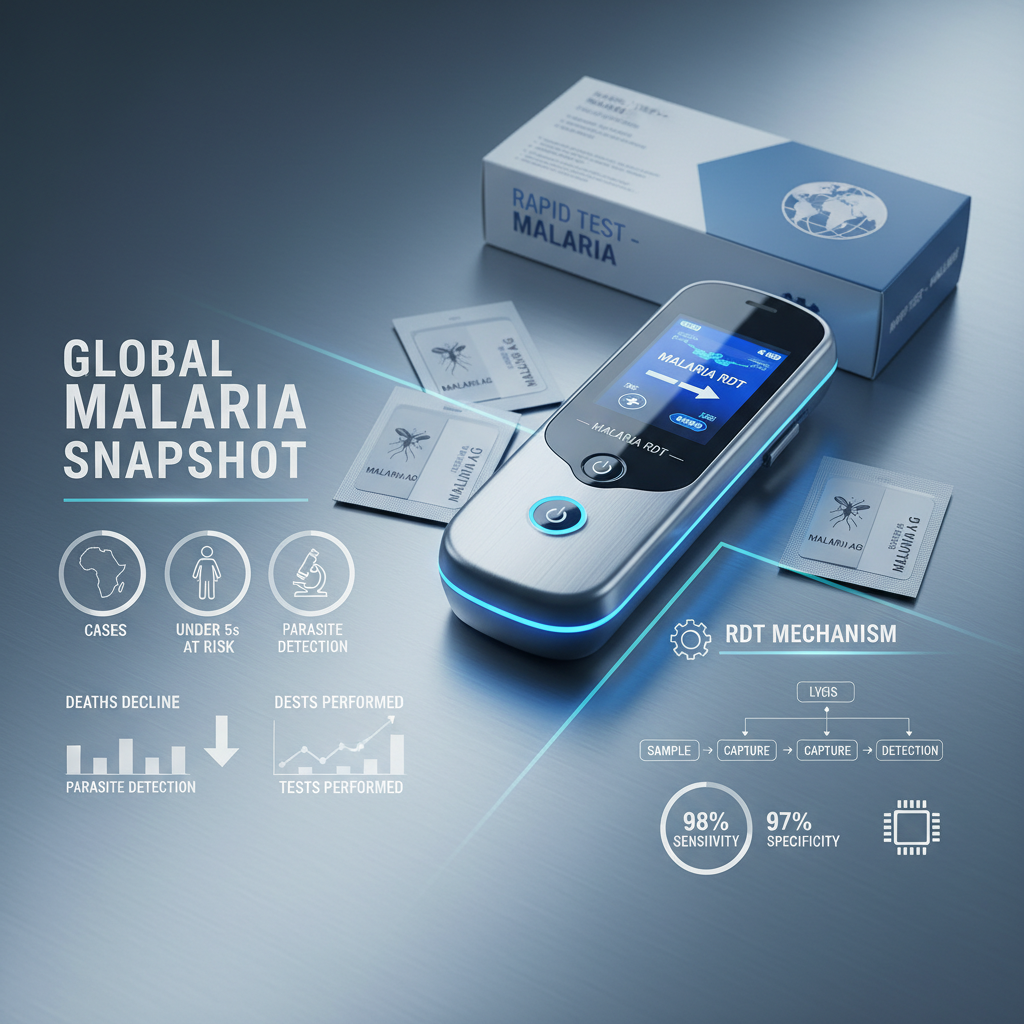
The future of malaria diagnostics is focused on developing more sensitive, specific, and affordable RDTs. Research is underway to identify new antigens and improve existing test formats. Multiplex RDTs, capable of detecting multiple malaria species simultaneously, are also being developed. Furthermore, efforts are being made to address the limitations of RDTs in low-density infections and to develop RDTs that can accurately detect cleared infections. The integration of digital technologies, such as mobile phone-based readers, is also poised to enhance data collection and reporting, further improving malaria surveillance and control.
Conclusion: Advancing Malaria Diagnosis with Innovation
Prisesbio is dedicated to contributing to the global fight against malaria through the development and provision of innovative and reliable rapid diagnostic tests. By embracing advancements in technology and prioritizing accessibility, we aim to empower healthcare professionals and communities to effectively diagnose and treat malaria, ultimately reducing its burden worldwide.
Frequently Asked Questions (FAQs)
What is the sensitivity of rapid diagnostic tests for malaria?
The sensitivity of RDTs varies depending on the specific test and parasite density. Generally, RDTs have a sensitivity ranging from 80% to 95% in detecting infections with parasite densities above 200 parasites/µL of blood. However, sensitivity can be significantly lower in infections with lower parasite densities, leading to false-negative results. It is essential to consider the limitations of RDTs and, when possible, confirm results with microscopy, particularly in cases with a low clinical suspicion of malaria.
Can RDTs differentiate between different Plasmodium species?
Most RDTs primarily detect Plasmodium falciparum by targeting the HRP2 antigen. Some RDTs also detect non-falciparum species, either through the detection of pLDH (present in all Plasmodium species) or through specific antigens of P. vivax or P. malariae. However, differentiating between species can be challenging with RDTs alone. Microscopy remains the preferred method for accurate species identification.
What are the limitations of using RDTs in areas with past malaria transmission?
A significant limitation of HRP2-based RDTs is the persistence of HRP2 in the blood for several weeks after successful treatment. This can lead to false-positive results in individuals with a history of recent malaria infection, even if they are no longer actively infected. This is particularly relevant in areas with seasonal malaria transmission. Using alternative RDTs that detect different antigens or confirming positive results with microscopy can help mitigate this issue.
How should RDTs be stored to maintain their accuracy?
RDTs are sensitive to heat and humidity. They should be stored in a cool, dry place, ideally between 4°C and 30°C (39°F and 86°F). Avoid direct sunlight and exposure to moisture. Always check the expiration date before use and discard any expired tests. Following the manufacturer's storage instructions is crucial to ensure the accuracy and reliability of the test results.
-
Buy at home covid test rapid covid test kit antigen test covid19
NewsApr.16,2026
-
Covid19 Antigent Test Kit Cassette Covid Test Rapid Diagnostic Covid 19 Antigen Rapid Test
NewsApr.09,2026
-
Comprehensive Guide to Antigen Covid Test Covid Saliva Test and Covid Test Kit 19 Options
NewsApr.07,2026
-
Comprehensive Guide to Test Kit Covid Covid19 Rapid Antigen Test Self Test Covid Options
NewsApr.04,2026
-
Comprehensive Guide to Rapid Test Kits COVID19 for Accurate Covid Self Test Results
NewsMar.31,2026
-
Comprehensive Guide to Rapid Antigen Test Kit Covid 19 Covid Rapid Test Kit Test Kit Covid 19
NewsMar.28,2026