

Mar . 31, 2026 01:45 Back to list
Comprehensive Guide to Rapid Test Kits COVID19 for Accurate Covid Self Test Results
Navigating COVID-19 Testing: A Guide to Rapid Test Kits COVID
The COVID-19 pandemic has fundamentally changed how we approach health and safety. Rapid test kits COVID-19, also known as rapid test kits covid and covid self test options, have become crucial tools in managing infection rates and individual health. This article provides a comprehensive overview of rapid antigen tests, their uses, accuracy, and how to choose the right test for your needs. Understanding these tests is paramount for staying informed and protecting yourself and others.
Understanding Rapid Antigen Tests
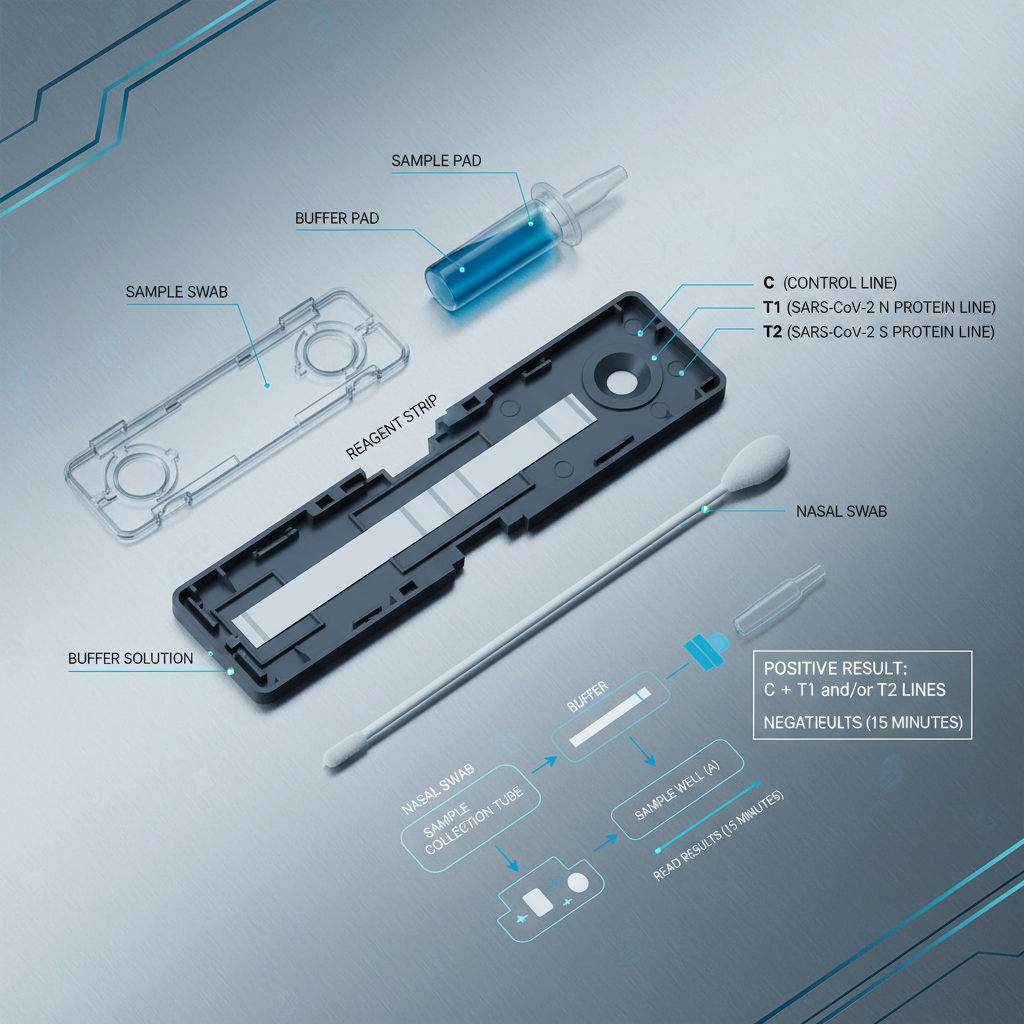
Rapid antigen tests are a type of diagnostic test used to detect the presence of specific proteins (antigens) from the SARS-CoV-2 virus, the virus that causes COVID-19. Unlike PCR tests, which detect the virus's genetic material, antigen tests offer results much faster – typically within 15-30 minutes. These tests are convenient and can be performed at home or in various point-of-care settings, making them ideal for frequent screening and early detection of infection. However, it's important to understand that rapid antigen tests generally have lower sensitivity than PCR tests, meaning they may be less likely to detect early or low levels of the virus.
When to Use a Rapid Test
Rapid tests are most effective when used strategically. They are particularly useful in the following situations:
• Before and after gatherings: To minimize the risk of spreading the virus at events.
• When experiencing symptoms: To quickly determine if your symptoms are likely due to COVID-19.
• Following exposure: To monitor for infection after being exposed to someone with COVID-19.
• Routine screening: For individuals in high-risk settings or those who need regular testing as part of a workplace protocol.
It’s crucial to remember that a negative rapid test does not completely rule out infection, especially if you have symptoms. Consider confirmation with a PCR test if you have a negative rapid test but suspect you may have COVID-19.
How Accurate are Rapid COVID-19 Tests?
The accuracy of rapid antigen tests can vary depending on several factors, including the viral load, the timing of the test, and the quality of the test itself. Generally, they are highly specific (meaning they are good at identifying true negatives), but less sensitive than PCR tests. Studies have shown that rapid antigen tests detect around 70-95% of infections when a person is most infectious. It’s important to note that sensitivity is lower when testing individuals who are asymptomatic or have low viral loads. Prisesbio offers high-quality rapid tests designed for reliable results.
Key Takeaway: While rapid tests are not perfect, they are a valuable tool for rapid screening and early detection, especially when used correctly.
Choosing the Right Rapid Test Kit: A Comparison
With numerous rapid test kits available, selecting the right one can be challenging. Consider the following factors when making your decision:
• Regulatory approval: Ensure the test has received approval from relevant health authorities (e.g., FDA in the US, CE marking in Europe).
• Sensitivity and specificity: Look for tests with published data on their performance characteristics.
• Ease of use: Choose a test that is easy to administer and interpret, especially for covid self test options.
• Cost: Compare prices and consider purchasing in bulk if you anticipate needing frequent testing.
Interpreting Your Rapid Test Results
Reading the results is usually straightforward. Most tests have a clear control line and a test line. A positive result is indicated by the presence of both lines, even if the test line is faint. A negative result shows only the control line. Any result that is unclear or difficult to interpret should be considered invalid and repeated with a new test. Always follow the instructions provided with your specific test kit carefully. If you receive a positive result, it’s crucial to follow public health guidelines, such as isolating yourself and seeking further medical advice.
Conclusion: Empowering Yourself with Rapid Testing
Rapid test kits COVID-19 are invaluable tools in navigating the ongoing pandemic. By understanding how they work, when to use them, and how to interpret the results, you can take proactive steps to protect yourself and your community. Prisesbio is dedicated to providing accurate, reliable, and easy-to-use rapid tests to help you stay safe and informed.
Frequently Asked Questions (FAQs)
What should I do if I get a positive result on a rapid antigen test?
If you receive a positive result on a rapid antigen test, it is highly recommended to isolate yourself immediately to prevent potential spread to others. You should also follow the guidelines provided by your local health authorities, which may include notifying close contacts, seeking further confirmation with a PCR test, and monitoring your symptoms. Depending on the severity of your symptoms, you might need to contact a healthcare professional for medical advice. Accurate and timely response is crucial to controlling the spread of COVID-19.
Can I use a rapid test instead of a PCR test for travel?
The acceptance of rapid antigen tests for travel varies depending on the destination country and airline. Some countries and airlines accept rapid tests, particularly if they are conducted within a specific timeframe before departure, while others require a negative PCR test result. It is essential to check the specific travel requirements of your destination and airline before your trip to ensure you meet all the necessary criteria. The rules are constantly evolving so it's best to verify the latest information close to your travel date.
How should I store rapid test kits?
Rapid test kits should be stored according to the manufacturer's instructions, which are typically found in the package insert. Generally, they should be stored at room temperature, away from direct sunlight, heat, and humidity. Avoid freezing the test kits. It's important to check the expiration date before use and discard any expired tests. Proper storage ensures the test’s accuracy and reliability.
What is the difference between a rapid antigen test and a rapid antibody test?
Rapid antigen tests detect the presence of the virus itself, indicating an active infection. They are most effective when taken during the initial stages of infection when the viral load is high. Rapid antibody tests, on the other hand, detect the presence of antibodies in your blood, which are produced by your immune system in response to a previous infection. Antibody tests can indicate past exposure to the virus but do not necessarily indicate an active infection. They are not suitable for diagnosing current COVID-19 infections.
-
Buy at home covid test rapid covid test kit antigen test covid19
NewsApr.16,2026
-
Covid19 Antigent Test Kit Cassette Covid Test Rapid Diagnostic Covid 19 Antigen Rapid Test
NewsApr.09,2026
-
Comprehensive Guide to Antigen Covid Test Covid Saliva Test and Covid Test Kit 19 Options
NewsApr.07,2026
-
Comprehensive Guide to Test Kit Covid Covid19 Rapid Antigen Test Self Test Covid Options
NewsApr.04,2026
-
Comprehensive Guide to Rapid Test Kits COVID19 for Accurate Covid Self Test Results
NewsMar.31,2026
-
Comprehensive Guide to Rapid Antigen Test Kit Covid 19 Covid Rapid Test Kit Test Kit Covid 19
NewsMar.28,2026