

Mar . 08, 2026 01:55 Back to list
Understanding Ovulation LH Test Strips For Accurate Fertility Tracking
Understanding Ovulation LH Test Strips: A Comprehensive Guide
Trying to conceive can be an exciting, yet sometimes challenging, journey. Knowing when you’re ovulating is a crucial piece of the puzzle, and ovulation LH test strips offer a convenient and affordable way to pinpoint your most fertile days. This article will delve into how these strips work, how to interpret the results, and what factors can influence them. We will also explore how PrisesBio's ovulation tests can assist you in your journey to parenthood.
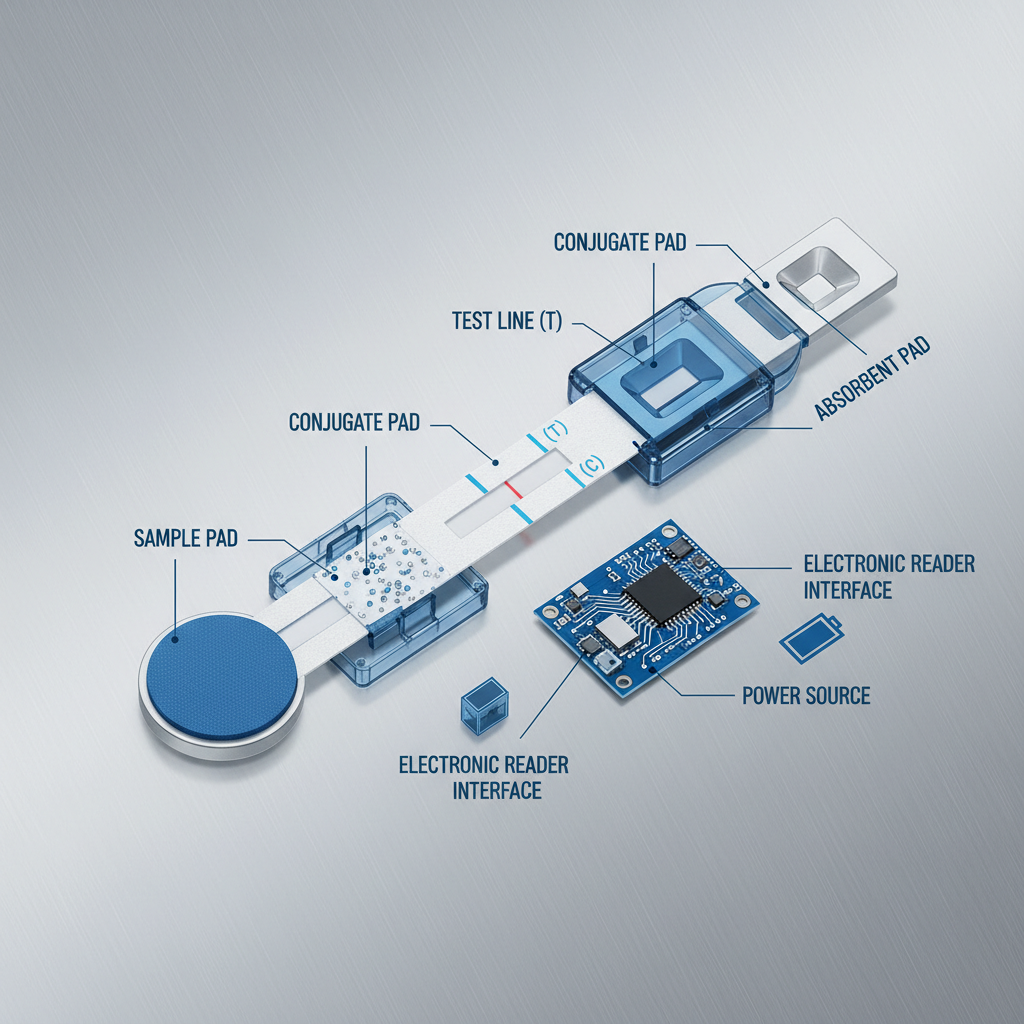
How Do Ovulation LH Test Strips Work?
Ovulation LH test strips detect the surge in Luteinizing Hormone (LH) that occurs 24-36 hours before ovulation. This surge triggers the release of an egg from the ovary. The strips contain antibodies that react with LH in your urine. When a sufficient amount of LH is present, a test line will appear, indicating the LH surge and your approaching ovulation. The intensity of the test line compared to the control line is key to interpreting the results. Using these tests consistently allows you to predict when to engage in intercourse for the best chance of conception.
Key Takeaway: LH test strips predict when ovulation will occur, they don’t confirm that ovulation has occurred. Timing intercourse based on the LH surge increases your chances of conception.
Interpreting Your Ovulation LH Test Results
Reading an ovulation test is relatively straightforward. Each kit includes a control line, which indicates the test is working correctly, and a test line. Here's how to interpret the results:
- Negative Result: Only the control line appears. This means the LH surge hasn’t started yet. Continue testing daily.
- Positive Result: The test line is as dark as or darker than the control line. This indicates the LH surge has begun, and ovulation is likely to occur within 24-36 hours.
- Weak Positive Result: The test line is visible but lighter than the control line. This often occurs in the days leading up to the surge. Continue testing.
Result Interpretation at a Glance:
• Control Line Only: No LH Surge Detected.
• Test Line = Control Line: LH Surge Detected, Ovulation Soon!
• Test Line LH Rising, Continue Testing.
Factors That Can Affect LH Test Results
Several factors can influence the accuracy of ovulation LH test strips. Polycystic Ovary Syndrome (PCOS) can cause consistently elevated LH levels, leading to false positives. Certain medications, including fertility drugs, can also interfere with results. It’s important to follow the instructions provided with your specific test kit carefully. Using first-morning urine is generally recommended as it has the highest concentration of LH. Furthermore, testing at consistent times each day can improve accuracy.
Comparing Ovulation Prediction Methods: LH Tests vs. Other Options
While ovulation LH test strips are popular, other methods exist for predicting ovulation. Basal Body Temperature (BBT) tracking involves taking your temperature every morning before getting out of bed. A slight rise in BBT indicates ovulation has already occurred. Cervical mucus monitoring observes changes in mucus consistency – becoming clear, slippery, and stretchy (“egg white” consistency) as ovulation approaches. These methods can be used in conjunction with LH tests for a more comprehensive understanding of your cycle.
Choosing the Right Ovulation Test: PrisesBio
When selecting ovulation LH test strips, reliability and accuracy are paramount. PrisesBio offers high-quality tests that are rigorously tested to ensure accurate results. Our tests are easy to use, provide clear and easy-to-interpret results, and are competitively priced. We are dedicated to supporting you on your journey to conception with dependable products and excellent customer service.
Conclusion: Empowering Your Fertility Journey
Understanding your cycle and knowing when you ovulate is a powerful tool in your fertility journey. PrisesBio's ovulation LH test strips provide a convenient and reliable way to track your ovulation, increasing your chances of conception. We are committed to providing you with the tools and support you need to achieve your dreams of parenthood.
Frequently Asked Questions (FAQs)
When is the best time to take an ovulation LH test?
The best time to begin testing is a few days before you expect to ovulate based on your cycle length. If you have a regular 28-day cycle, start testing around day 11 or 12. For longer cycles, start testing earlier. Testing first thing in the morning with the most concentrated urine is generally recommended. Continue testing daily until you get a positive result. Remember, a positive result indicates ovulation is likely to occur within 24-36 hours, so plan accordingly! Using PrisesBio’s ovulation tests can help streamline this process and provide reliable results.
Can I get a positive result if I'm not ovulating?
While rare, false-positive results can occur. Conditions like Polycystic Ovary Syndrome (PCOS) can cause consistently elevated LH levels, leading to inaccurate results. Certain medications and, less commonly, stress can also interfere. If you consistently get positive results without experiencing a period, it’s important to consult with your healthcare provider to rule out any underlying issues.
How long should I continue testing after a positive result?
Once you've received a positive result, you don't need to continue testing. Ovulation is expected to occur within 24-36 hours. Focus on timing intercourse during this fertile window. Some women continue to test to confirm the LH surge has subsided, but this is not necessary. Remember, the positive result is your signal to act!
Are PrisesBio ovulation tests reliable?
Yes, PrisesBio ovulation tests are manufactured to high quality standards and undergo rigorous quality control testing to ensure accuracy and reliability. We are dedicated to providing you with a dependable tool to help you understand your cycle and increase your chances of conception.
-
Buy at home covid test rapid covid test kit antigen test covid19
NewsApr.16,2026
-
Covid19 Antigent Test Kit Cassette Covid Test Rapid Diagnostic Covid 19 Antigen Rapid Test
NewsApr.09,2026
-
Comprehensive Guide to Antigen Covid Test Covid Saliva Test and Covid Test Kit 19 Options
NewsApr.07,2026
-
Comprehensive Guide to Test Kit Covid Covid19 Rapid Antigen Test Self Test Covid Options
NewsApr.04,2026
-
Comprehensive Guide to Rapid Test Kits COVID19 for Accurate Covid Self Test Results
NewsMar.31,2026
-
Comprehensive Guide to Rapid Antigen Test Kit Covid 19 Covid Rapid Test Kit Test Kit Covid 19
NewsMar.28,2026