

أخبار
-

meet hoopsy: the eco pregnancy test made of 99% paper
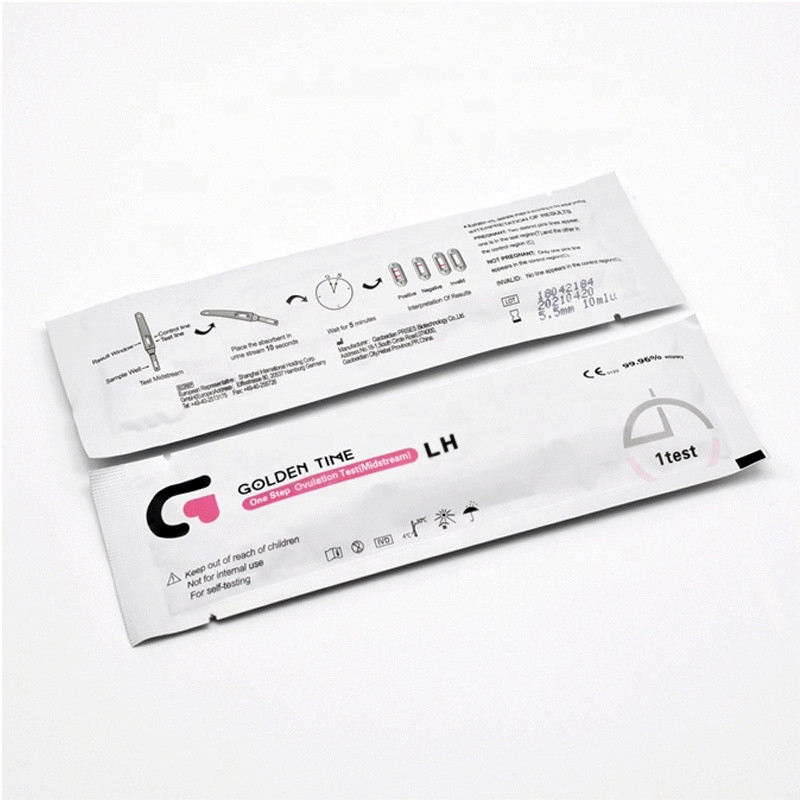
The tests have an hCG sensitivity of 25mIU/ml and are over 99% accurate from the day of your expected period. Clinical trials have taken place to prove the accuracy and laboratory tests to ensure the sensitivity levels of the tests. It’s also got full Medicines and Healthcare products Regulatory Agency (MHRA) approval.Read more -
Common Tests During Pregnancy
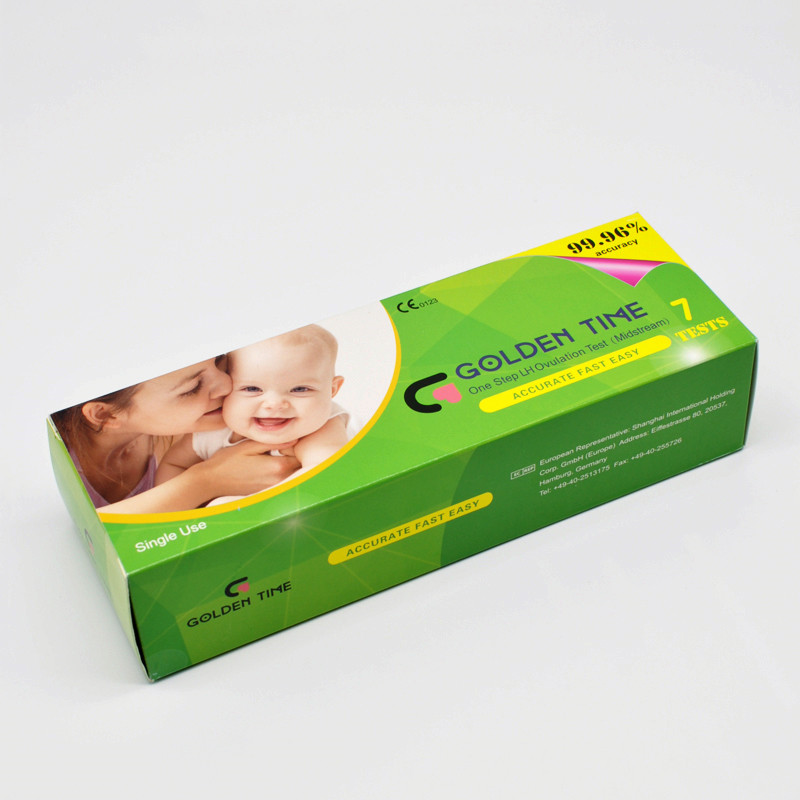
First trimester screening is a combination of fetal ultrasound and maternal blood testing. It can help find out the risk that the fetus has certain birth defects. Screening tests may be used alone or with other tests.Read more -
Pregnancy test (beta-hCG)
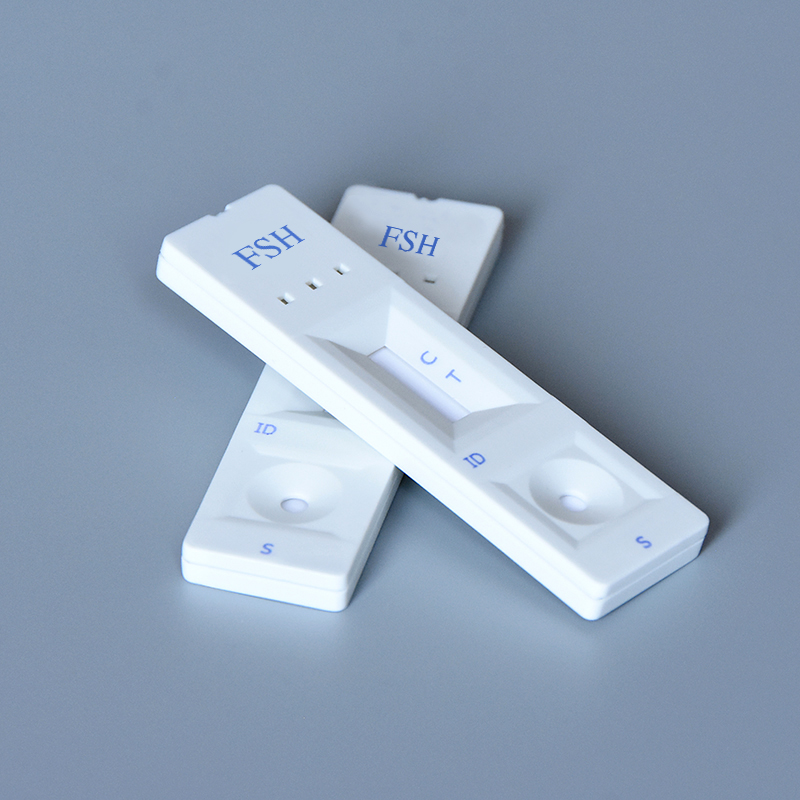
Dilute urine samples (i.e. with a low specific gravity) may not contain a representative levels of hCG, potentially leading to a false negative result. If pregnancy is suspected, collect an early morning (first) urine sample and retest.Read more -
What Is the Difference Between a Blood and Urine Pregnancy Test
If you’ve recently had sex and your period hasn’t started yet, or you are experiencing pregnancy-like symptoms such as nausea or fatigue, you may be worried that you are facing an unplanned pregnancy.Read more -
Pregnancy Test Livestock Supplies for Pig Cow
Pregnancy test paper for cows, with high accuracy, can quickly detect whether the cow is pregnant or not. Two red bands (zone C and T) appear, indicating that cow is pregnant; one red band (zone C) appears, indicating that cow is not pregnant; no red band is displayed, indicating that the test is invalid.Read more -
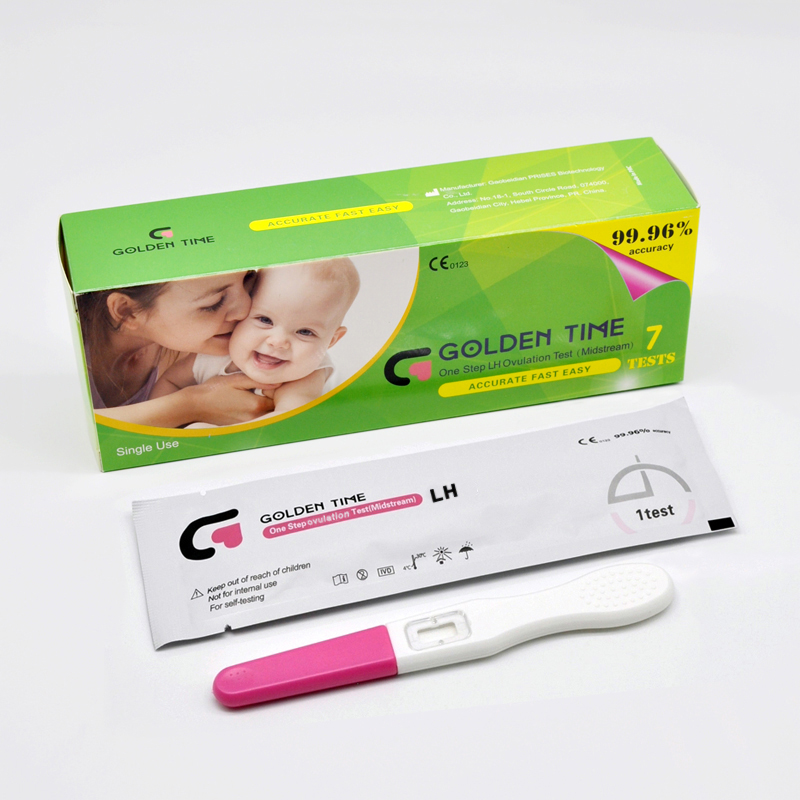
How to Read a Pregnancy Test
Whether you’re anxiously trying to conceive or are worried your period is late, you’ll likely need to take a pregnancy test at some point in life. Missing your period is often the first telltale sign that something is up, but for those actively trying for a baby, testing may become a regular part of your monthly routine.Read more -
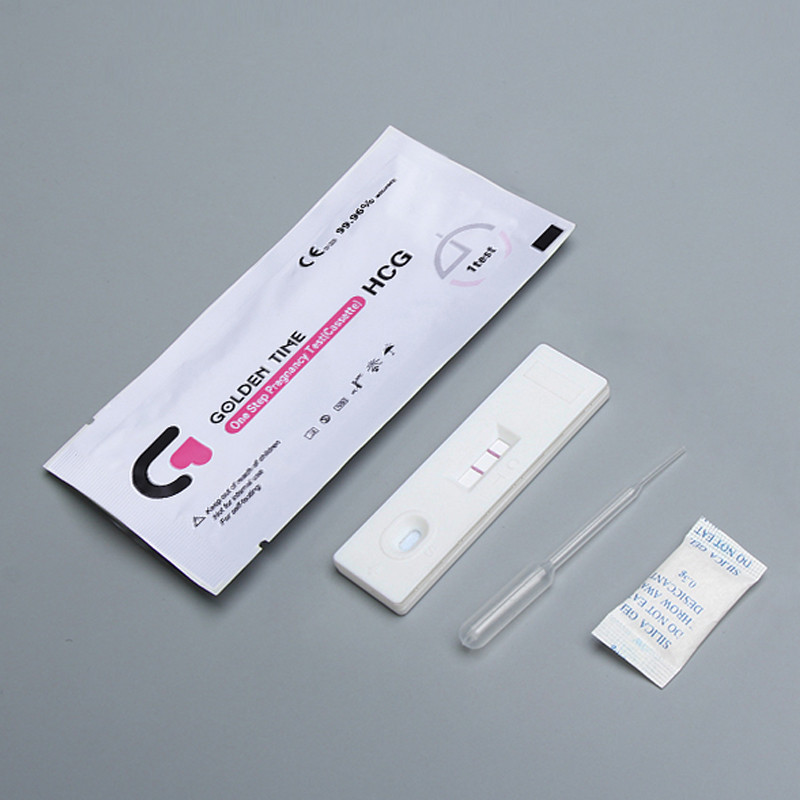
Flaw in many home pregnancy tests can return false negative results
Pregnancy tests can sometimes give a false negative result to women several weeks into their pregnancies, according to research by Ann Gronowski, PhD, a professor of pathology and immunology at Washington University School of Medicine in St. Louis. Her findings led the FDA to change its standards for evaluating new pregnancy tests, but old tests with the false-negative problem are still on the market.Read more -
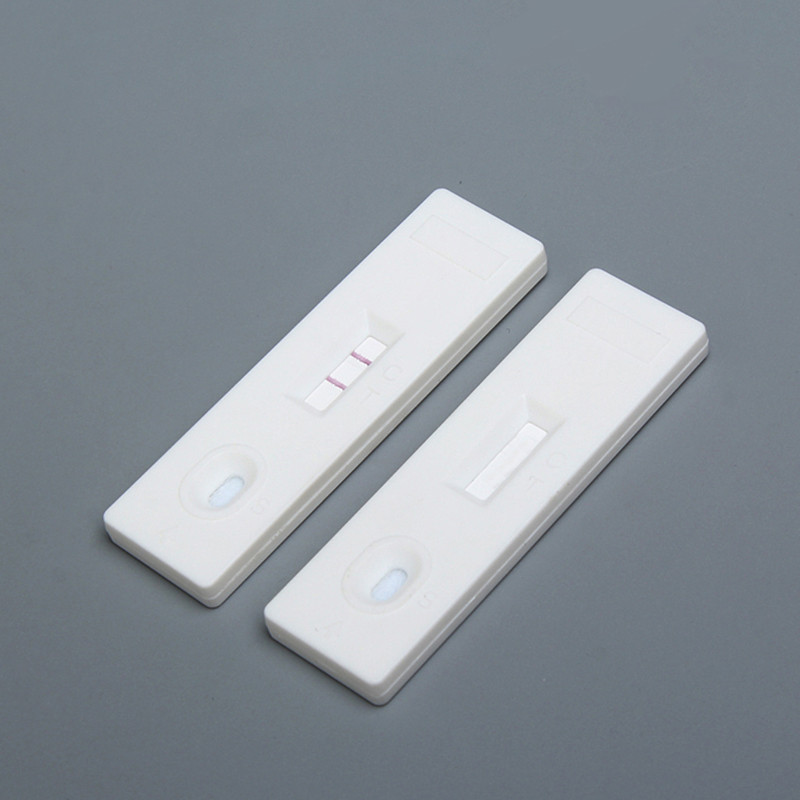
You Can Flush This Pregnancy Test After You Take It
If you have sex, you’ve probably used a pregnancy test at least once in your life—or way more than that. Honestly, some people may be peeing on a stick more times in a year than they call their grandparents. So what if you could flush those pee-covered sticks down the toilet rather than letting them chill in the trash—or, eventually, the landfill? That's the goal of a new biodegradable test that you can just toss in the toilet when you're done.Read more -
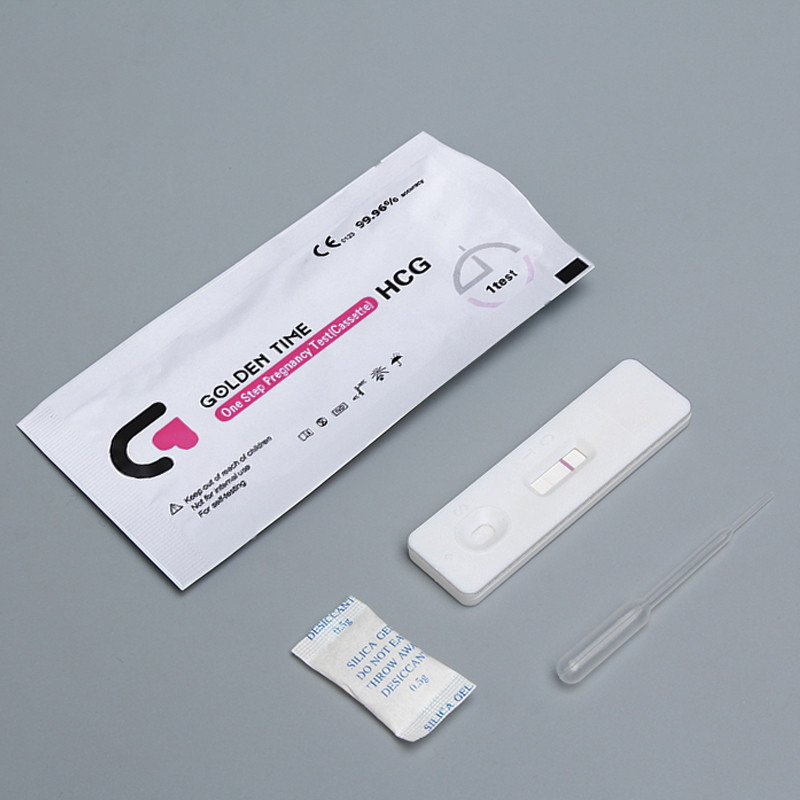
What to know about pregnancy testing
Pregnancy tests work by detecting levels of human chorionic gonadotropin (hCG), a markers of pregnancy in a person’s urine or blood. Home tests can usually detect pregnancy 12–15 days after ovulation.Read more -
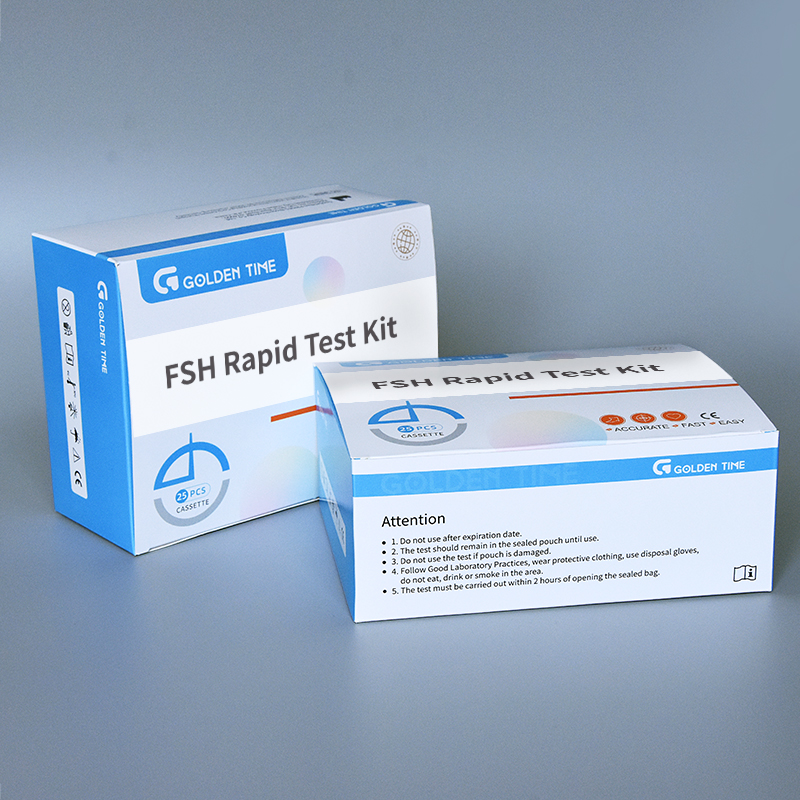
An Overview of Home Pregnancy Tests
Home pregnancy tests are sold almost everywhere. You can find them in most stores, from your major retailers to your grocery store, convenience store, and even discount stores.Read more -
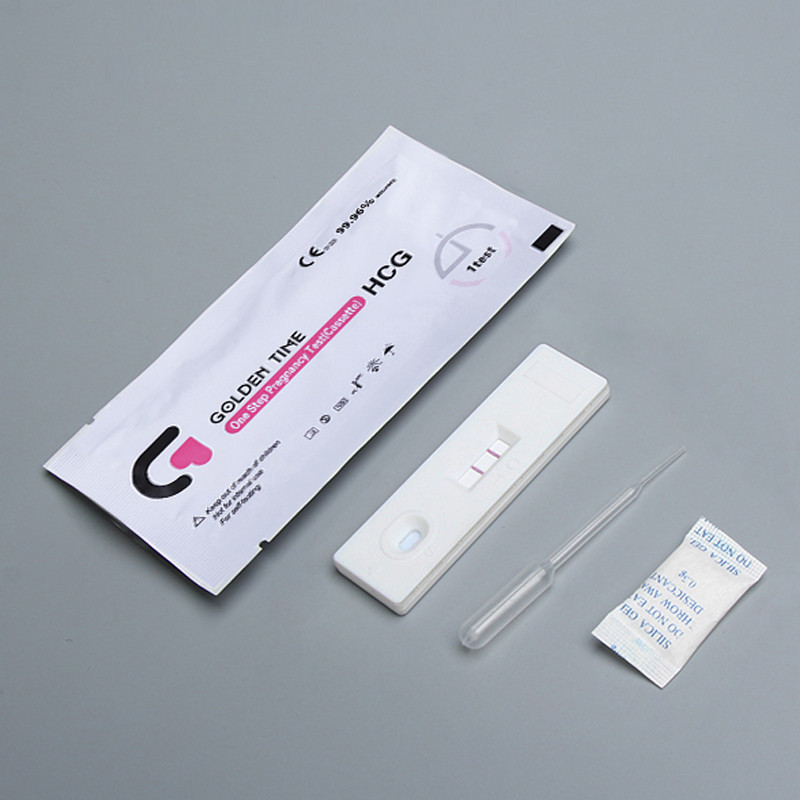
Pregnancy Strip Test pregnancy test
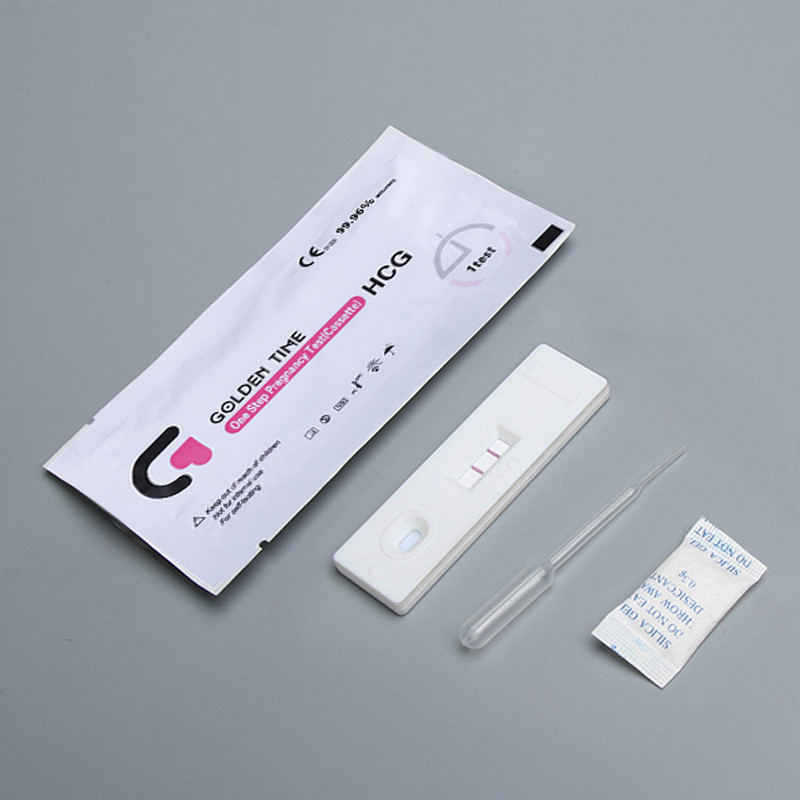
Our HCG Urine pregnancy test measures the presence of the hormone human Chorionic Gonadotropin (HCG) in human urine for early detection of pregnancy. The concentration of HCG in a non-pregnant woman is usually 5mIU.Read more -
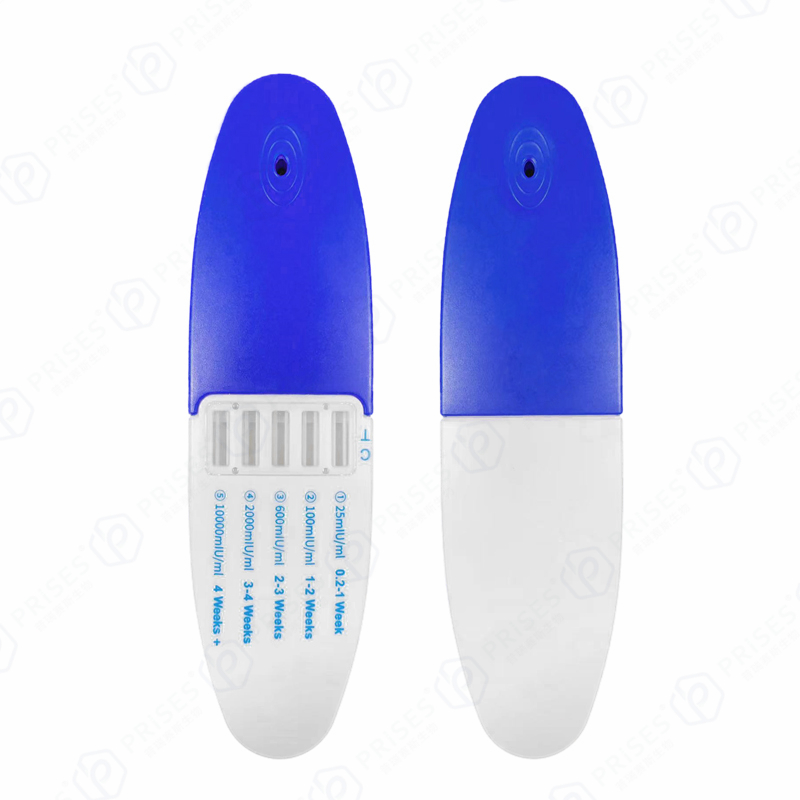
Awesome paper pregnancy tests cut plastic waste & help vulnerable women
If even half of these women bought a pregnancy test (which weighs around 9 grams), that’s around 22.5 tonnes of plastic that ends up in the bathroom bin - or down the loo.Read more