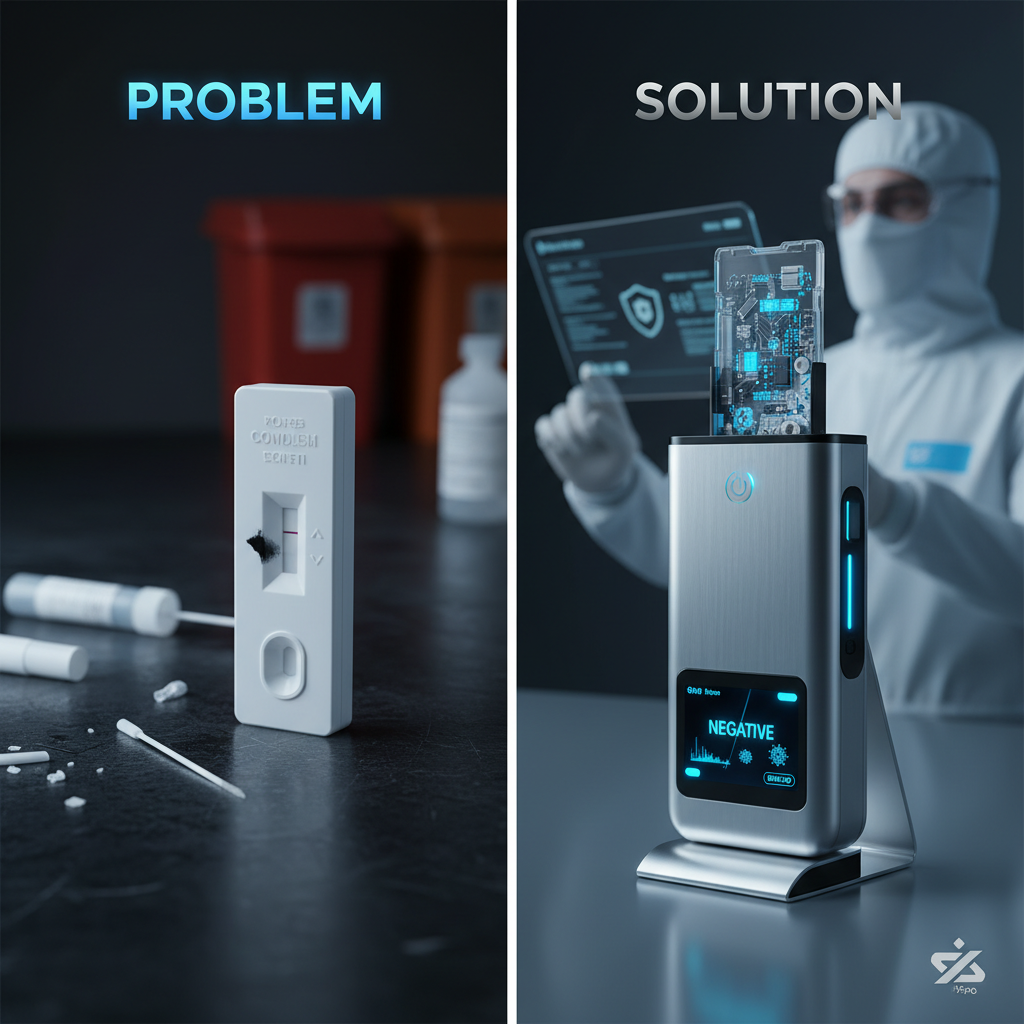
The global landscape has been profoundly impacted by the COVID-19 pandemic, necessitating rapid and accurate diagnostic tools. Among these, the covid 19 test antigen has emerged as a critical component in controlling the spread of the virus. Its accessibility, speed, and relative cost-effectiveness make it invaluable for widespread testing, particularly in resource-limited settings. Understanding the nuances of this testing method is crucial for public health officials, healthcare providers, and individuals alike.
The need for efficient and reliable testing is paramount to mitigating the ongoing effects of COVID-19. covid 19 test antigen tests play a vital role in identifying infected individuals, allowing for timely isolation and contact tracing. This ultimately helps to slow down transmission rates and protect vulnerable populations. The widespread availability and ease of use of these tests are contributing significantly to global efforts in managing the pandemic.
Furthermore, the covid 19 test antigen isn't merely a reactive tool; it's a proactive measure. Regular testing can help detect asymptomatic cases, preventing silent spread. This is especially important in workplaces, schools, and community settings, allowing for informed decisions regarding safety protocols and resource allocation. The continued development and refinement of these tests are essential for navigating the evolving challenges posed by the virus.
Introduction to covid 19 test antigen
The covid 19 test antigen, also known as a rapid antigen test, represents a significant advancement in COVID-19 diagnostics. Unlike PCR tests that detect viral RNA, antigen tests identify specific proteins on the surface of the virus. This fundamental difference affects their speed, cost, and application. It’s a tool created to address a global need for accessible and quick assessments.
Antigen tests have been instrumental in scaling up testing capacity, enabling more frequent monitoring and proactive intervention strategies. Their simplified procedure and minimal equipment requirements allow for deployment in a wide range of settings, including point-of-care facilities, schools, and even homes. The growing reliance on these tests underscores their importance in managing the pandemic effectively.
Global Relevance and Challenges
The COVID-19 pandemic has exposed critical gaps in global healthcare infrastructure and testing capacity. The World Health Organization (WHO) emphasized the necessity of widespread testing to control the virus, but many countries, particularly those with limited resources, struggled to implement comprehensive PCR-based testing programs. The covid 19 test antigen emerged as a viable solution, offering a faster and more affordable alternative.
However, the rollout of antigen tests hasn't been without challenges. Concerns regarding sensitivity – the ability to correctly identify positive cases – compared to PCR tests have been raised. False negatives can occur, particularly in individuals with low viral loads or during the early stages of infection. Addressing these limitations requires ongoing quality control, standardized protocols, and proper training for test administrators.
The accessibility of covid 19 test antigen tests is crucial for equitable healthcare. Distribution to remote areas and underserved communities presents logistical hurdles that need to be overcome. International collaborations and initiatives are essential to ensure that these potentially life-saving tools reach those who need them most, regardless of geographical location or socioeconomic status.
Defining covid 19 test antigen
A covid 19 test antigen is a diagnostic test designed to detect the presence of specific antigens – typically proteins – from the SARS-CoV-2 virus, which causes COVID-19. These antigens are present on the surface of the virus and can be identified using antibodies in a laboratory setting or, increasingly, with rapid, point-of-care tests.
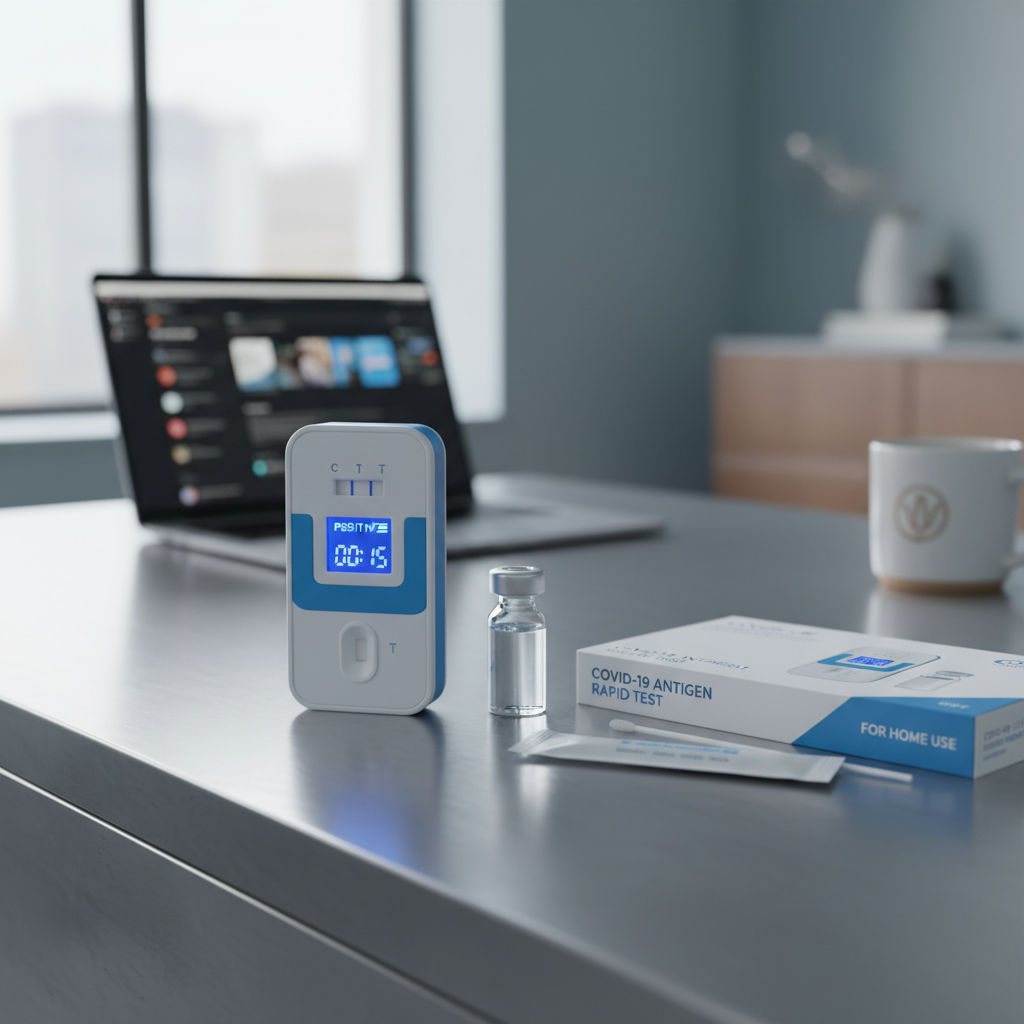
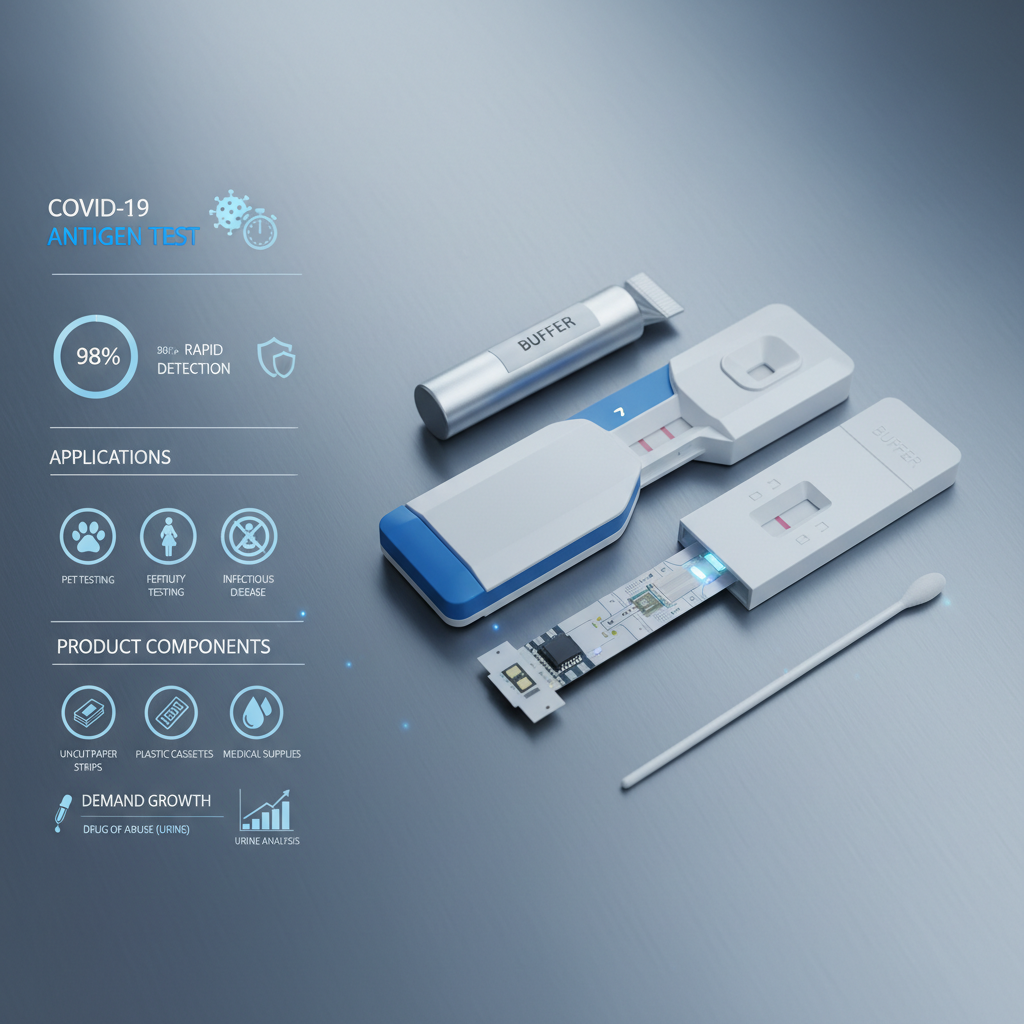
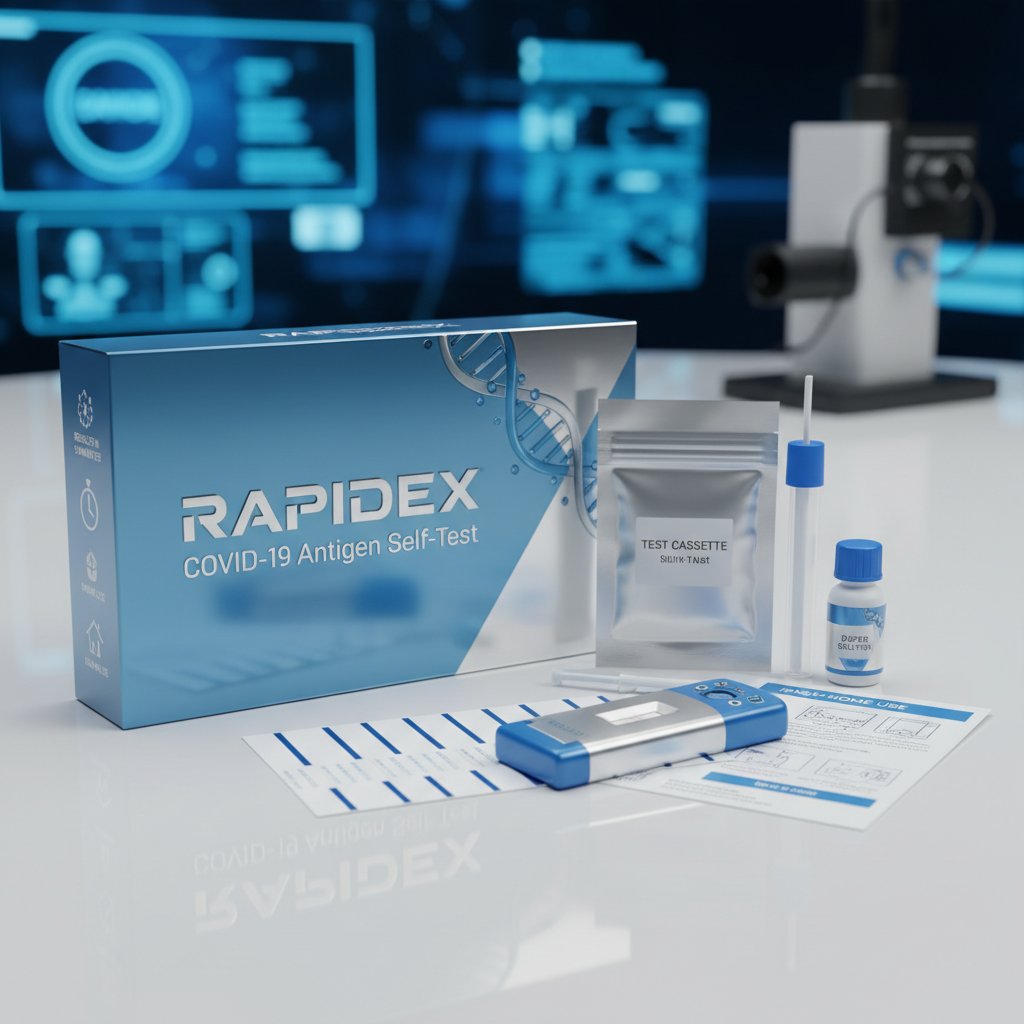
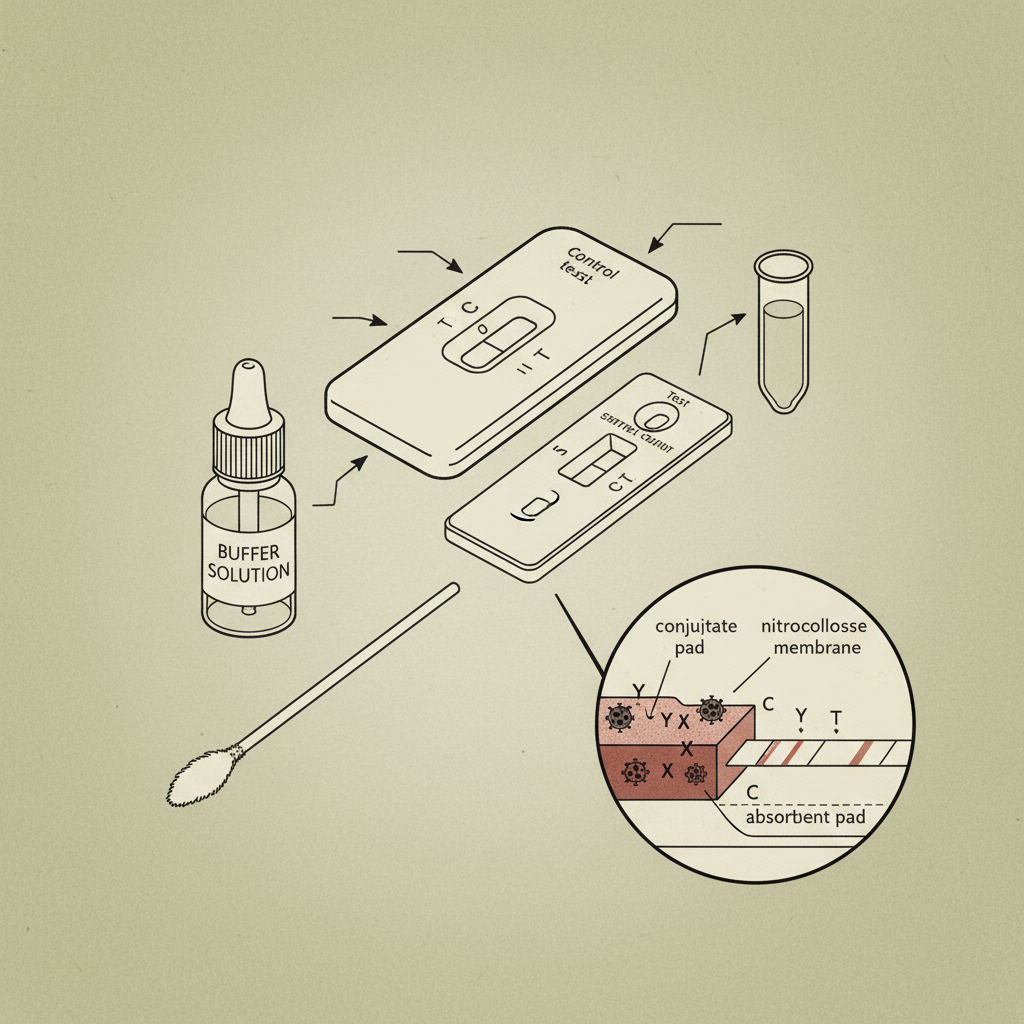
The test typically involves taking a nasal or nasopharyngeal swab to collect a sample. This sample is then mixed with a reagent and applied to a test strip. If the virus antigens are present, they will bind to the antibodies, resulting in a visible line appearing on the strip, indicating a positive result. The speed and simplicity of this process make it distinct from more complex PCR tests.
This technology is deeply connected to modern medical advancements, particularly in the field of immunology and rapid diagnostic technologies. It addresses a critical humanitarian need by offering a scalable and accessible means of identifying and controlling infectious diseases, contributing directly to global health security.
Key Characteristics of covid 19 test antigen
One key characteristic of the covid 19 test antigen is its speed. Results are typically available within 15-30 minutes, allowing for rapid decision-making regarding isolation and treatment. This quick turnaround time is a significant advantage compared to PCR tests, which can take several hours or even days to produce results.
Another crucial aspect is its cost-effectiveness. Antigen tests are generally significantly cheaper than PCR tests, making them more affordable for widespread screening programs. This reduced cost allows for more frequent testing, increasing the likelihood of identifying and isolating infected individuals.
Comparison of Key Characteristics of covid 19 test antigen Methods
Applications Across the Globe
In post-disaster relief operations, covid 19 test antigen tests have proven invaluable for quickly assessing the health status of affected populations and preventing outbreaks in crowded shelters. Their portability and ease of use make them ideal for deployment in challenging environments.
In remote industrial zones, where access to traditional laboratory facilities may be limited, antigen tests provide a crucial means of monitoring workers for COVID-19. This allows for early detection and isolation of cases, minimizing disruption to operations and protecting the workforce.
Advantages and Long-Term Value
The primary advantage of the covid 19 test antigen lies in its accessibility. Its lower cost and ease of administration allow for wider implementation, promoting public health, and reducing the overall disease burden. This represents a significant step towards more equitable healthcare access.
Beyond immediate pandemic response, antigen tests contribute to long-term preparedness for future outbreaks. They establish infrastructure and protocols for rapid diagnostics, which can be adapted to detect other infectious diseases, building resilience within healthcare systems and offering reassurance and a sense of safety to communities.
Future Trends and Innovation
Ongoing research is focused on improving the sensitivity of covid 19 test antigen tests, potentially through the development of more sophisticated antibodies and assay formats. The integration of digital technologies, such as smartphone-based readers and data analytics platforms, is also being explored to enhance accuracy and streamline reporting.
The move towards multiplex testing – tests that can simultaneously detect multiple pathogens – is a promising trend. This could lead to the development of diagnostic tools capable of identifying a range of respiratory viruses, including influenza and RSV, in addition to SARS-CoV-2, providing a more comprehensive assessment of patient health.
Automation in antigen test manufacturing and processing will likely increase efficiency and reduce costs, making these tests even more accessible to resource-limited settings. These innovations will contribute to a more robust and responsive global healthcare system.
Challenges and Solutions
A persistent challenge with covid 19 test antigen tests is their lower sensitivity compared to PCR. This can lead to false negatives, particularly in individuals with low viral loads. One potential solution is to implement serial testing – repeatedly testing individuals over a short period – to increase the probability of detection.
Supply chain disruptions and quality control issues have also posed challenges to widespread adoption. Establishing standardized manufacturing protocols, rigorous quality assurance procedures, and diversified sourcing strategies are crucial for ensuring the reliable availability of high-quality tests.
Addressing concerns about result interpretation requires comprehensive training for healthcare professionals and clear communication to the public. Accurate guidance on the limitations of antigen tests and appropriate follow-up actions for positive or negative results is essential for maximizing their effectiveness.
Summary Table of covid 19 test antigen Challenges and Solutions
| Challenge |
Impact |
Proposed Solution |
Implementation Cost (1-10) |
| Lower Sensitivity |
Increased False Negatives |
Serial Testing |
3 |
| Supply Chain Disruptions |
Test Shortages |
Diversified Sourcing |
6 |
| Quality Control Issues |
Inaccurate Results |
Standardized Protocols |
5 |
| Result Interpretation |
Misinformed Decisions |
Comprehensive Training |
4 |
| Limited Accessibility |
Unequal Healthcare Access |
Strategic Distribution |
7 |
| Evolving Virus Strains |
Potential Reduced Detection |
Antigen Test Updates |
8 |
FAQS
While PCR tests are generally considered the gold standard for COVID-19 detection due to their higher sensitivity, covid 19 test antigen tests offer a valuable alternative. Antigen tests are less sensitive, meaning they may miss some cases, especially those with low viral loads. However, they excel at detecting individuals with high viral loads, who are most infectious. Studies indicate a sensitivity range of approximately 80-95% when performed correctly and at the right time during infection. They are often adequate for rapid screening and identifying those most likely to spread the virus.
The timing of a covid 19 test antigen test significantly impacts its accuracy. The highest viral loads, and therefore the best time for detection, are typically within the first few days of symptom onset. It's recommended to test as soon as you experience symptoms. Testing too early or too late in the infection may yield a false negative result. If you have been exposed to someone with COVID-19 but are asymptomatic, testing several days after exposure is advisable.
A positive result on a covid 19 test antigen test indicates that you are likely infected with COVID-19. It is crucial to isolate yourself immediately to prevent further spread. Follow local public health guidelines regarding isolation and quarantine. Inform close contacts that you have tested positive, so they can monitor for symptoms and get tested if needed. Consider consulting with a healthcare professional for guidance on managing your symptoms.
A negative result on a covid 19 test antigen test doesn't completely rule out infection. Due to the lower sensitivity of antigen tests, a false negative is possible. If you have symptoms or have been exposed to someone with COVID-19, even with a negative result, it's advisable to repeat the test after a few days or consider getting a PCR test for confirmation. Continuing to practice preventative measures, such as masking and social distancing, is always recommended.
Reliable sources of information about covid 19 test antigen tests include the World Health Organization (WHO), the Centers for Disease Control and Prevention (CDC), and your local public health agency. These organizations provide up-to-date guidelines, recommendations, and scientific information about testing and COVID-19 prevention. Always consult with healthcare professionals for personalized advice.
Yes, covid 19 test antigen tests are generally suitable for children, but the method of sample collection may vary depending on the child’s age and ability to cooperate. Nasal swabs are often preferred for children as they are less invasive than nasopharyngeal swabs. Always follow the manufacturer’s instructions and seek guidance from a healthcare professional when testing children, ensuring proper technique and comfort.
Conclusion
The covid 19 test antigen has emerged as a cornerstone of global pandemic response, offering a rapid, affordable, and accessible means of identifying and mitigating the spread of COVID-19. Its widespread adoption has enabled increased testing capacity, faster turnaround times, and proactive intervention strategies, contributing significantly to public health safety and economic stability. While challenges remain regarding sensitivity and quality control, ongoing innovation and standardized protocols are continuously improving its effectiveness.
Looking ahead, continued investment in research and development is crucial for enhancing the performance and versatility of antigen tests. Exploring multiplex testing capabilities, automating manufacturing processes, and integrating digital technologies will further strengthen their role in pandemic preparedness and disease surveillance. By embracing these advancements, we can build a more resilient and responsive healthcare system capable of effectively addressing future public health emergencies.