The global landscape has been profoundly impacted by the need for rapid and accurate diagnostic testing, particularly in the wake of the COVID-19 pandemic. The covid 19 antigen test has emerged as a crucial tool in this fight, offering a relatively quick and cost-effective method for detecting active infections. Understanding the principles, applications, and advancements in antigen testing is vital for public health officials, healthcare providers, and individuals alike.
These tests play a significant role in controlling the spread of infectious diseases, enabling timely interventions, and reducing the burden on healthcare systems. The accessibility and ease of use of covid 19 antigen test, compared to more complex PCR tests, make them particularly valuable in resource-limited settings and for widespread screening programs. Their utility extends beyond pandemic response, with potential applications in monitoring other viral outbreaks and managing chronic diseases.
The continuous development of improved antigen tests, focusing on enhanced sensitivity, specificity, and speed, holds the key to bolstering our preparedness for future health crises. Proper interpretation of results and integration with other diagnostic strategies are essential for maximizing the effectiveness of these tests in safeguarding public health.
The Significance of covid 19 Antigen Tests
The covid 19 antigen test represents a critical advancement in diagnostic capabilities, offering a balance of speed, cost-effectiveness, and accessibility. Its rapid deployment has been instrumental in managing the COVID-19 pandemic, allowing for quicker identification of infected individuals and implementation of control measures. This has profound implications for reducing community transmission and protecting vulnerable populations.
Beyond simply detecting the presence of the virus, antigen tests empower individuals to take proactive steps to safeguard their health and the health of those around them. They facilitate informed decision-making regarding isolation, treatment, and contact tracing, contributing to a more effective public health response.
Understanding covid 19 Antigen Tests: A Global Perspective
The global demand for rapid diagnostic testing surged dramatically with the onset of the COVID-19 pandemic. According to the World Health Organization (WHO), widespread testing is a cornerstone of pandemic control, enabling countries to track the spread of the virus, identify hotspots, and implement targeted interventions. covid 19 antigen tests have played a particularly vital role in this context, particularly in lower-resource settings where access to PCR testing may be limited.
The UN’s Sustainable Development Goals (SDGs) emphasize the importance of universal health coverage and preparedness for health emergencies. Accessible and affordable diagnostic tools like antigen tests are essential for achieving these goals, allowing for early detection and treatment of infectious diseases and preventing widespread outbreaks. The ISO standards for medical devices also play a key role in ensuring the quality and reliability of these tests.
The challenge lies in ensuring equitable access to these tests globally, particularly in underserved communities. Supply chain disruptions, logistical hurdles, and financial constraints can hinder the effective implementation of antigen testing programs, highlighting the need for international collaboration and investment in diagnostic infrastructure.
Defining the covid 19 Antigen Test
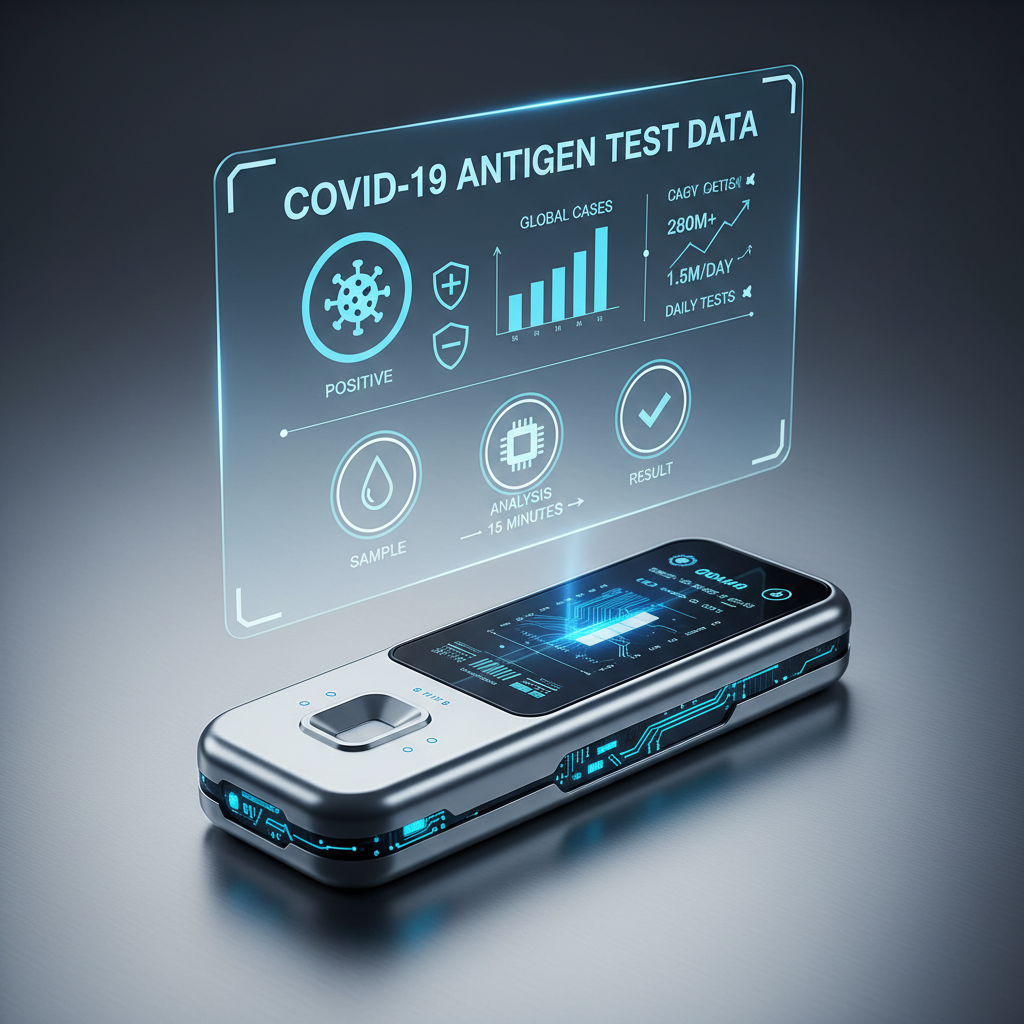
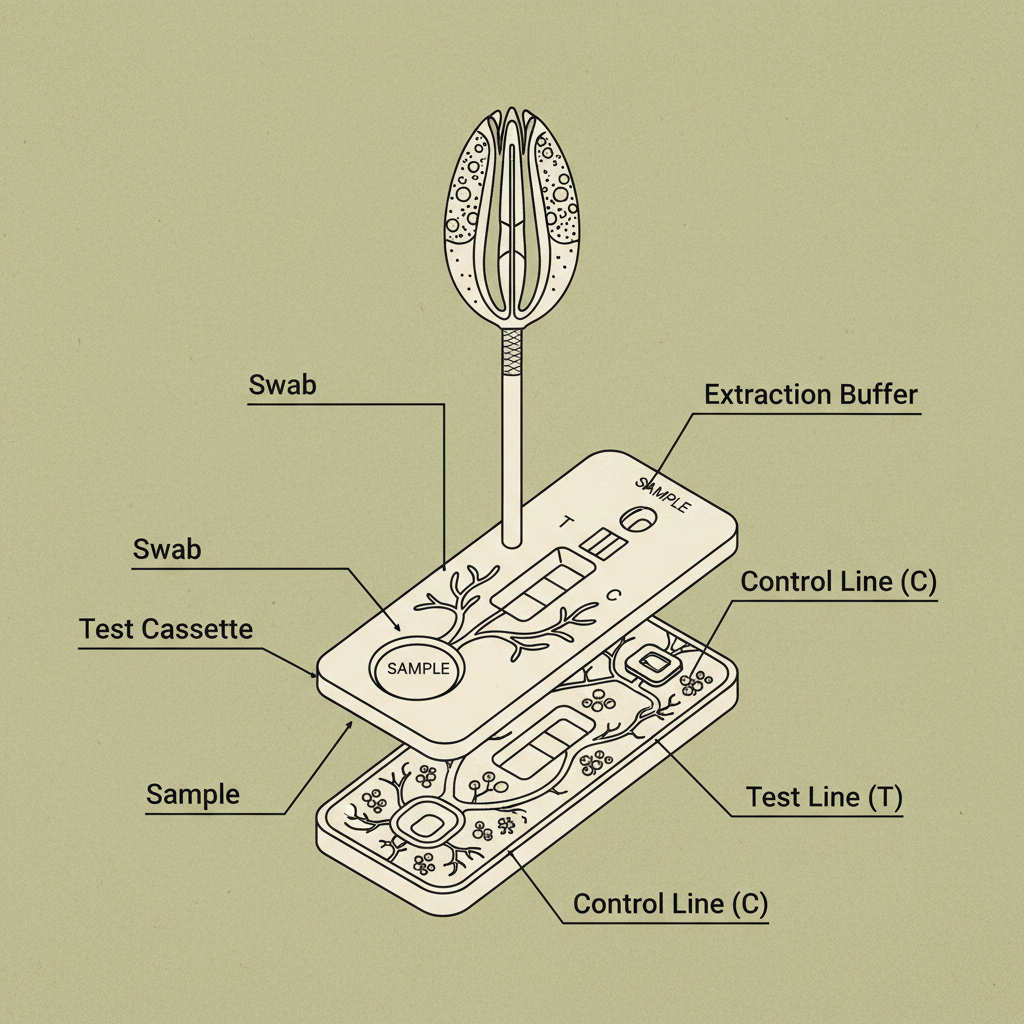
A covid 19 antigen test is a diagnostic tool used to detect specific proteins (antigens) from the surface of the SARS-CoV-2 virus, which causes COVID-19. Unlike PCR tests that detect the virus’s genetic material, antigen tests identify the presence of viral proteins, providing a result relatively quickly – often within 15-30 minutes.
This technology is crucial for enabling point-of-care testing, allowing for rapid diagnosis in a variety of settings, including clinics, schools, workplaces, and even at home. The portability and ease of use make it invaluable in situations where immediate results are needed to inform public health decisions and individual care.
In the context of modern healthcare, the ability to rapidly diagnose infectious diseases is paramount. Antigen tests bridge the gap between the speed of rapid molecular tests and the cost-effectiveness of traditional methods, offering a practical solution for mass screening and early detection, crucial for both individual health and community safety.
Key Factors Influencing covid 19 Antigen Test Performance
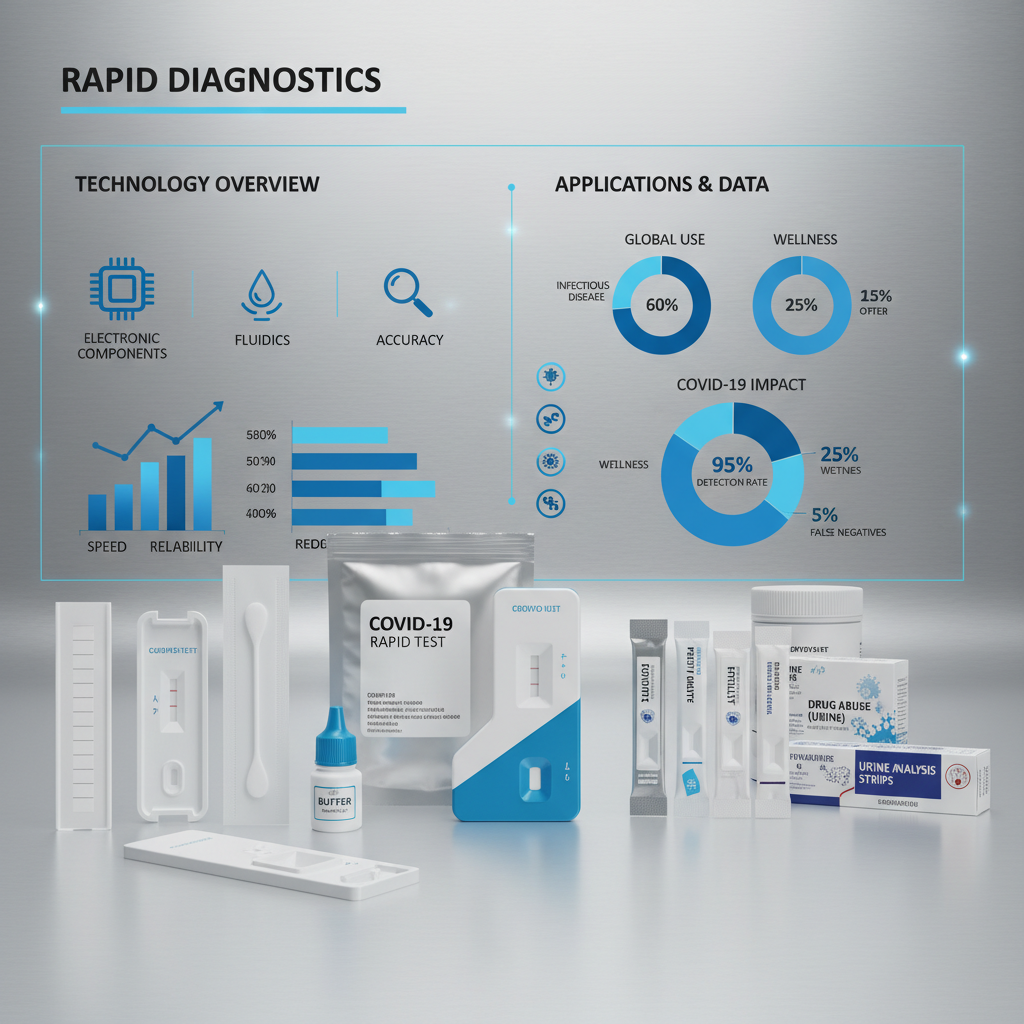
Several key factors influence the reliability and accuracy of covid 19 antigen tests. Sensitivity, the ability to correctly identify positive cases, is a critical consideration. While antigen tests generally have lower sensitivity than PCR tests, particularly in early stages of infection when viral loads are low, advancements are continually being made to improve their performance.
Specificity, the ability to correctly identify negative cases, is another important metric. High specificity minimizes the risk of false positives, which can lead to unnecessary isolation and healthcare costs. Factors such as the quality of the test kit, the proper execution of the testing procedure, and the storage conditions can all affect both sensitivity and specificity.
Comparison of covid 19 Antigen Test Methods
Real-World Applications of covid 19 Antigen Testing
covid 19 antigen tests are employed in a wide range of settings. In healthcare facilities, they’re used for rapid triage of patients presenting with respiratory symptoms. They’re crucial in schools and workplaces for routine screening programs to identify and isolate infected individuals, preventing outbreaks.
In post-disaster relief operations, where access to laboratory facilities is often limited, antigen tests provide a rapid means of identifying cases and implementing containment measures. Similarly, in remote industrial zones, where large numbers of workers may be in close proximity, regular antigen testing helps minimize the risk of outbreaks that could disrupt operations.
Advantages and Long-Term Value of Antigen Testing
The advantages of utilizing covid 19 antigen tests are numerous. Cost-effectiveness is a major benefit, as they are significantly cheaper than PCR tests, making them suitable for large-scale screening. Their speed, delivering results in minutes, allows for rapid decision-making and intervention. The portability and ease of use further enhance their practicality, especially in resource-constrained settings.
Long-term, the investment in antigen testing infrastructure and technology strengthens a nation’s preparedness for future pandemics and outbreaks. The ability to rapidly detect and respond to infectious diseases protects public health, reduces economic disruption, and fosters a sense of security and trust. It represents a proactive approach to safeguarding societal well-being.
Future Trends and Innovations in covid 19 Antigen Test Technology
Ongoing research and development efforts are focused on improving the sensitivity and specificity of covid 19 antigen tests. Innovations in materials science are leading to the development of more stable and reliable test reagents. Digital integration, with mobile apps and cloud-based data management systems, is streamlining the testing process and facilitating real-time data analysis.
The development of multiplex antigen tests, capable of detecting multiple respiratory viruses simultaneously, is another promising trend. These tests offer a more comprehensive diagnostic assessment, enabling healthcare providers to differentiate between various infections and provide more targeted treatment. Automation technologies are also being explored to increase throughput and reduce the risk of human error.
The integration of artificial intelligence (AI) and machine learning (ML) algorithms into antigen test analysis promises to enhance accuracy and identify emerging variants. These technologies can analyze test results and epidemiological data to provide early warnings of potential outbreaks and inform public health interventions.
Challenges and Solutions in covid 19 Antigen Test Implementation
Despite their advantages, covid 19 antigen tests face challenges. Lower sensitivity compared to PCR tests can lead to false negatives, especially in asymptomatic or early-stage infections. Ensuring proper training for test administrators and maintaining a robust supply chain are also critical concerns.
Solutions include combining antigen testing with other diagnostic methods, such as pooled PCR testing, to improve overall accuracy. Investing in quality control programs and providing ongoing training for healthcare personnel can minimize errors. Establishing regional manufacturing capacity and diversifying supply chains can mitigate the risk of disruptions.
Furthermore, clear communication of test limitations to the public is essential, emphasizing that a negative antigen test does not guarantee the absence of infection and that confirmatory PCR testing may be necessary in certain situations. This holistic approach maximizes the effectiveness of antigen testing as a valuable tool in pandemic preparedness and response.
Summary of Key Challenges and Solutions in covid 19 Antigen Test Implementation
| Challenge |
Impact |
Proposed Solution |
Implementation Level |
| Lower Sensitivity |
Increased risk of false negatives |
Combine with PCR testing, repeat testing |
High |
| Supply Chain Disruptions |
Test kit shortages |
Regional manufacturing, diversified sourcing |
Medium |
| Operator Training |
Inconsistent test results |
Standardized training programs, competency assessments |
High |
| Public Misunderstanding |
Inappropriate use of tests |
Clear communication of limitations, public education campaigns |
Medium |
| Emerging Variants |
Reduced test accuracy |
Continuous test validation, development of variant-specific tests |
High |
| Data Management |
Difficulty tracking and analyzing results |
Digital integration with cloud-based platforms |
Medium |
FAQS
A PCR test detects the genetic material of the virus, offering high sensitivity, but takes longer to process and requires specialized lab equipment. A covid 19 antigen test detects viral proteins, providing faster results (often within minutes) and is more portable, but generally has lower sensitivity, especially in early stages of infection. Antigen tests are ideal for rapid screening, while PCR tests are preferred for confirmation and when high accuracy is critical.
The accuracy of covid 19 antigen tests varies depending on several factors, including the viral load of the individual, the timing of the test relative to infection, and the quality of the test itself. While generally less sensitive than PCR tests, antigen tests have improved significantly. A negative result doesn’t rule out infection, and confirmatory testing may be needed.
Yes, many covid 19 antigen tests are available for at-home use. These tests are generally user-friendly and provide results within a short timeframe. It’s crucial to follow the instructions carefully to ensure accurate results. Reporting positive results to public health authorities may be required depending on local regulations.
If you receive a positive result on a covid 19 antigen test, it's recommended to isolate yourself immediately to prevent further spread of the virus. Consult with a healthcare provider for guidance on next steps, which may include confirmation with a PCR test and monitoring of symptoms. Follow public health guidelines regarding isolation and quarantine.
covid 19 antigen tests enable rapid identification of infected individuals, facilitating quick isolation and contact tracing. This helps to break chains of transmission and reduce the spread of the virus, particularly in settings like schools, workplaces, and healthcare facilities. Frequent and widespread antigen testing can significantly mitigate the impact of outbreaks.
The future of antigen testing lies in increased sensitivity, multiplexing (detecting multiple pathogens simultaneously), and integration with digital health technologies. Developments in nanotechnology and materials science will lead to more accurate and user-friendly tests. AI-powered data analysis will enhance surveillance and outbreak prediction capabilities, improving overall pandemic preparedness.
Conclusion
covid 19 antigen tests have proven to be a pivotal tool in managing the COVID-19 pandemic and beyond. Their speed, cost-effectiveness, and accessibility have made them invaluable for rapid screening, early detection, and outbreak control. Continued innovation in test technology and strategic implementation will strengthen our defenses against future infectious disease threats.
Investing in research and development, improving test accuracy, and ensuring equitable access are crucial for maximizing the long-term benefits of antigen testing. By embracing these advancements and fostering collaboration between healthcare professionals, researchers, and policymakers, we can build a more resilient and prepared public health system. Visit our website at www.prisesbio.com to learn more.