

Aktualności
-
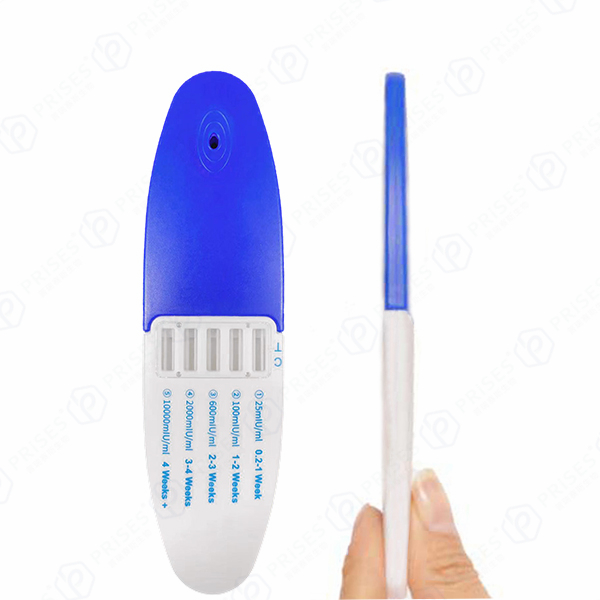
Human chorionic gonadotropin (hCG)
A pregnancy test is used to determine whether a female is pregnant or not. The two primary methods are testing for the female pregnancy hormone (human chorionic gonadotropin (hCG)) in blood or urine using a pregnancy test kit, and scanning with ultrasonography.[1] Testing blood for hCG results in the earliest detection of pregnancy.[2] Almost all pregnant women will have a positive urine pregnancy test one week after the first day of a missed menstrual period.[3]Read more -
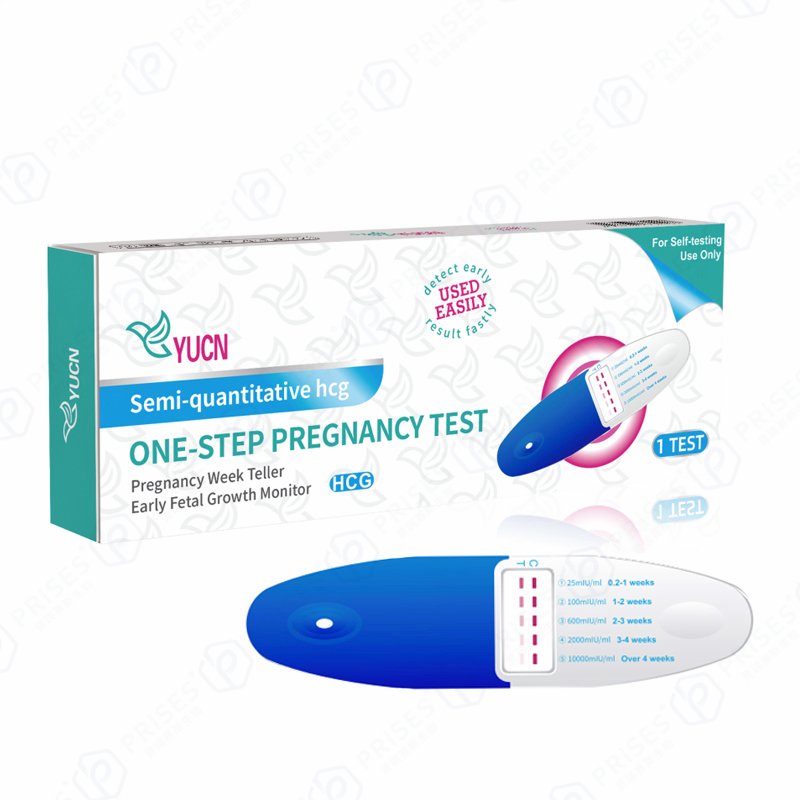
Strips of Hope: Accuracy of Home Pregnancy Tests and New Developments
The first home pregnancy test was introduced in 1976. Since then, pregnancy tests have become the most common diagnostic assay used at home. Pregnancy tests use antibodies to detect human chorionic gonadotropin (hCG).Read more -
When to take a pregnancy test?
Using a pregnancy test is the fastest and simplest way to help you determine if you are pregnant or not. However, “when does a pregnancy test work?” or “when should a pregnancy test be taken to get an accurate result?” is the concern of many users.Read more -
Demonstrated via hCG Assay for Pregnancy Test
Over the past decades, paper-based lateral flow immunoassays (LFIAs) have been extensively developed for rapid, facile, and low-cost detection of a wide array of target analytes in a point-of-care manner. Conventional home pregnancy tests are the most significant example of LFAs, which detect elevated concentrations of human chorionic gonadotrophin (hCG) in body fluids to identify early pregnancy.Read more -
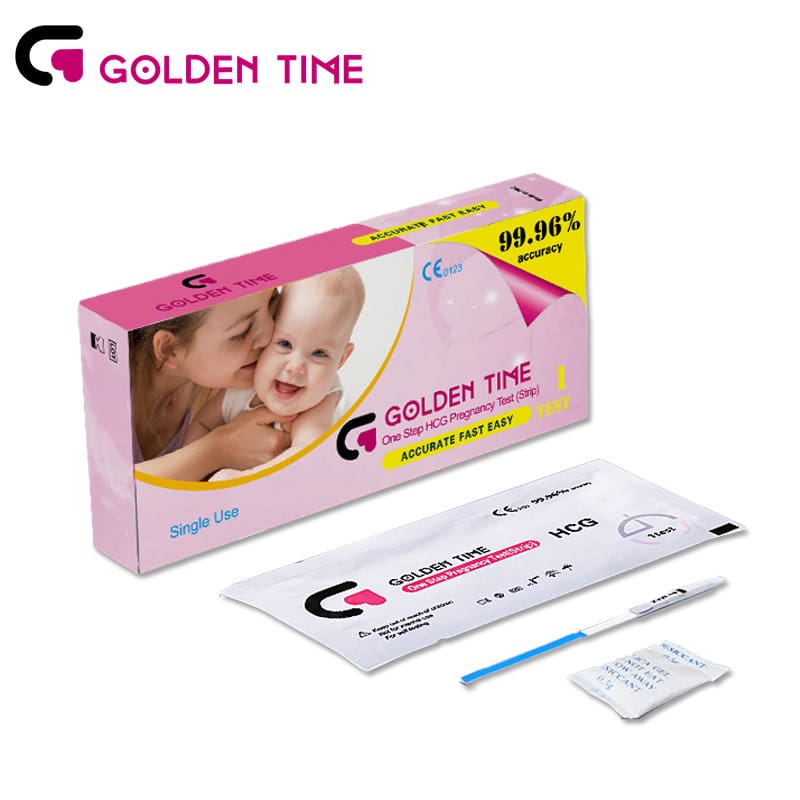
The surprising secret hidden in a pregnancy test
A teardown of a digital pregnancy test has created a buzz after revealing it contained a standard paper test, similar to those used by GPs.Read more -

Pregnancy tests: All you need to know
A pregnancy test can confirm if a female is pregnant. The test can be carried out at home or in the doctor’s office. It works by measuring levels of a hormone called human chorionic gonadotropin (HCG).Read more -

Pregnancy - tests and scans
A range of tests and scans are available to pregnant women, including tests to confirm pregnancy, pregnancy screening tests and pregnancy diagnostic tests.Read more -
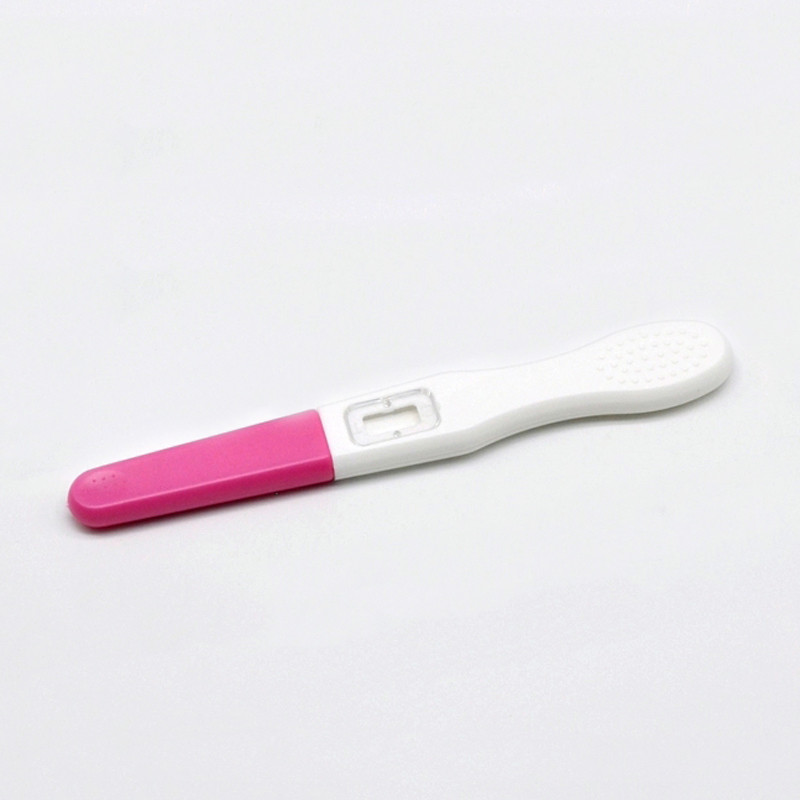
What is a pregnancy test?
A pregnancy test is a way to determine if you’re pregnant. If your pregnancy test is positive, it means you’re pregnant.Read more -
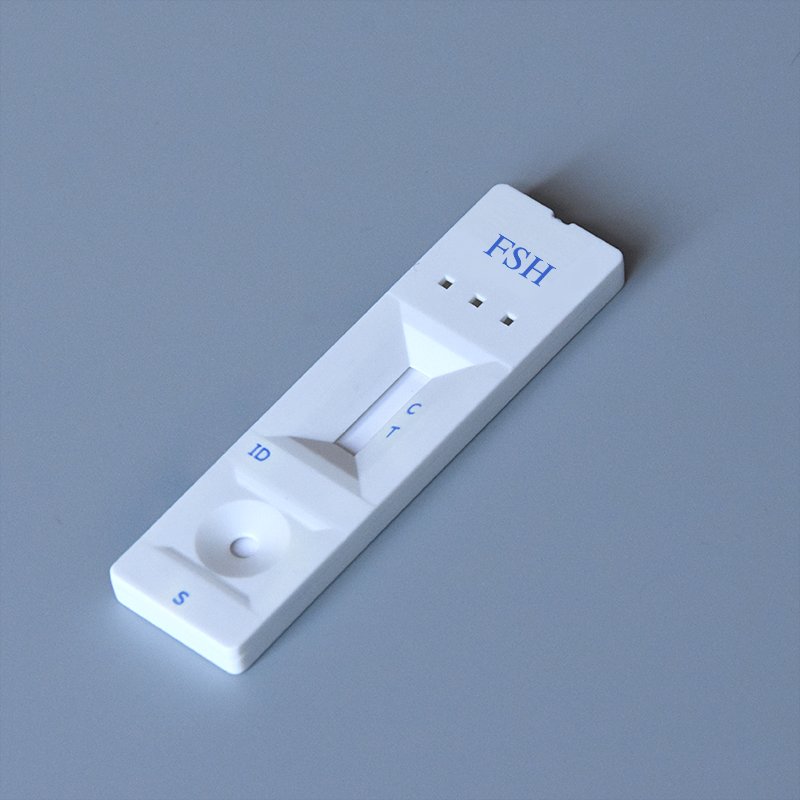
What Does a Faint Line on a Pregnancy Test Mean?
You peed on a stick, only to get a very faint line on the pregnancy test. Now what? Here’s how to interpret a less-than-clear result.Read more -
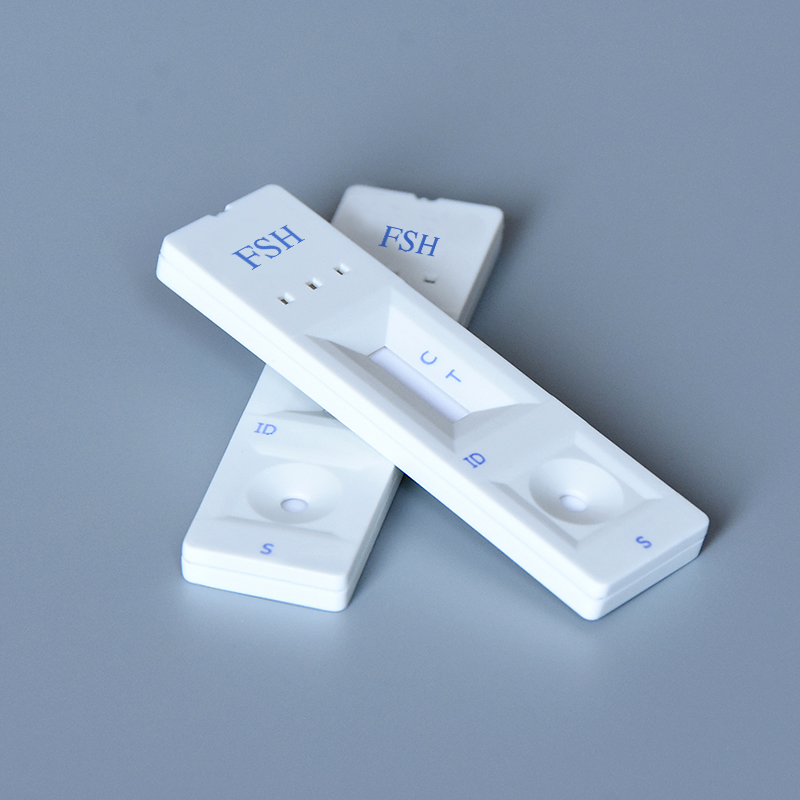
How Soon Will A Pregnancy Test Read Positive?
While some pregnancy tests claim to work a few days before a missed period, the results are usually less accurate at that point. Some tests may be able to detect pregnancy hormones in urine as early as 10 days following unprotected sex, but the results are not very reliable, and women may get a false positive or false negative test result.Read more -
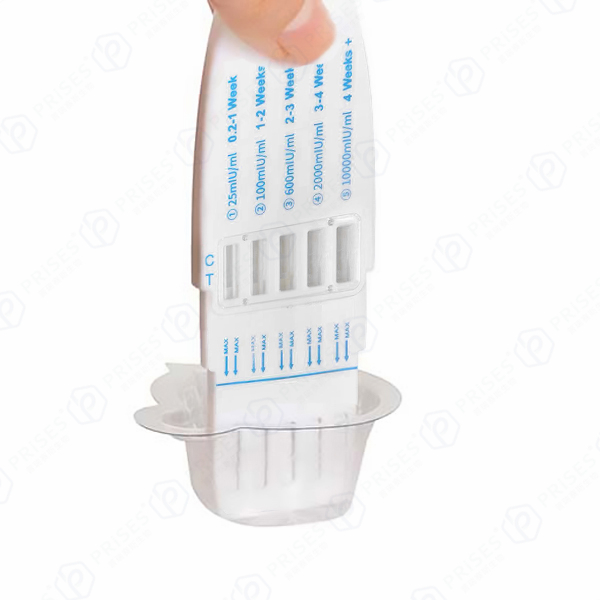
How Early Can You Take a Pregnancy Test and Expect It To Be Accurate?
You can of course take a pregnancy test whenever you’d like, but you may be wasting time, money, and energy if you don’t wait until after your missed period.Read more -
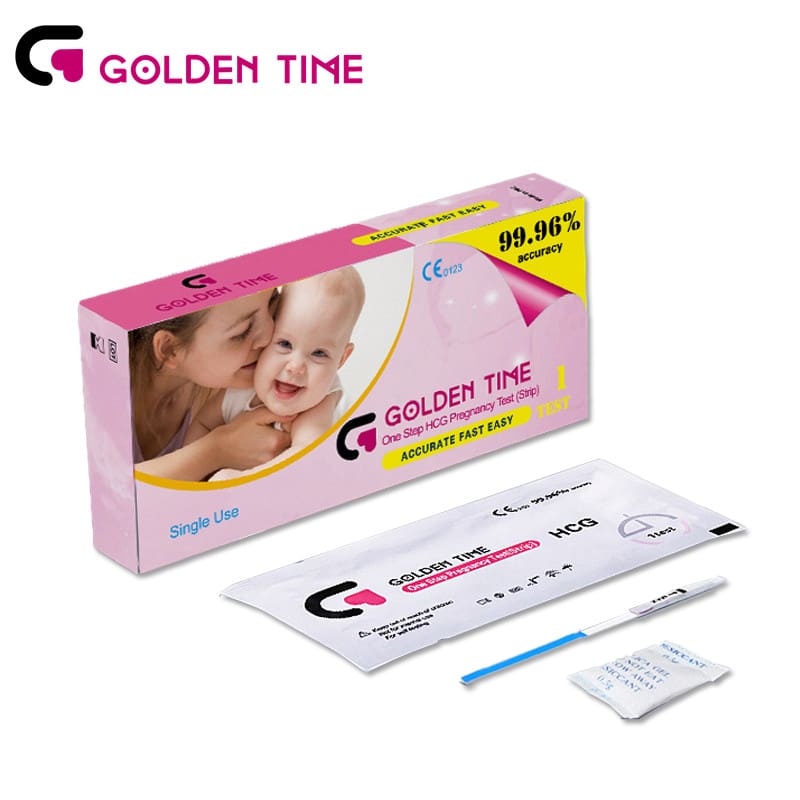
Home pregnancy tests: Can you trust the results?
Could you be pregnant? Get answers to common questions about home pregnancy tests.Read more