

Feb . 28, 2026 01:45 Back to list
Understanding the HBsAg Test for Hepatitis B Diagnosis and Management
Understanding the HBsAg Test: A Comprehensive Guide
The HBsAg test, or Hepatitis B surface antigen test, is a crucial screening tool used to detect the presence of the Hepatitis B virus (HBV) in the blood. Early detection is key to managing HBV infection and preventing serious health complications. This article provides a detailed overview of the HBsAg test, its significance, interpretation of results, and related information. Understanding the nuances of this test is vital for individuals and healthcare professionals alike. Prisesbio offers comprehensive Hepatitis B testing services, providing accurate and reliable results.
What is the HBsAg Test and Why is it Important?
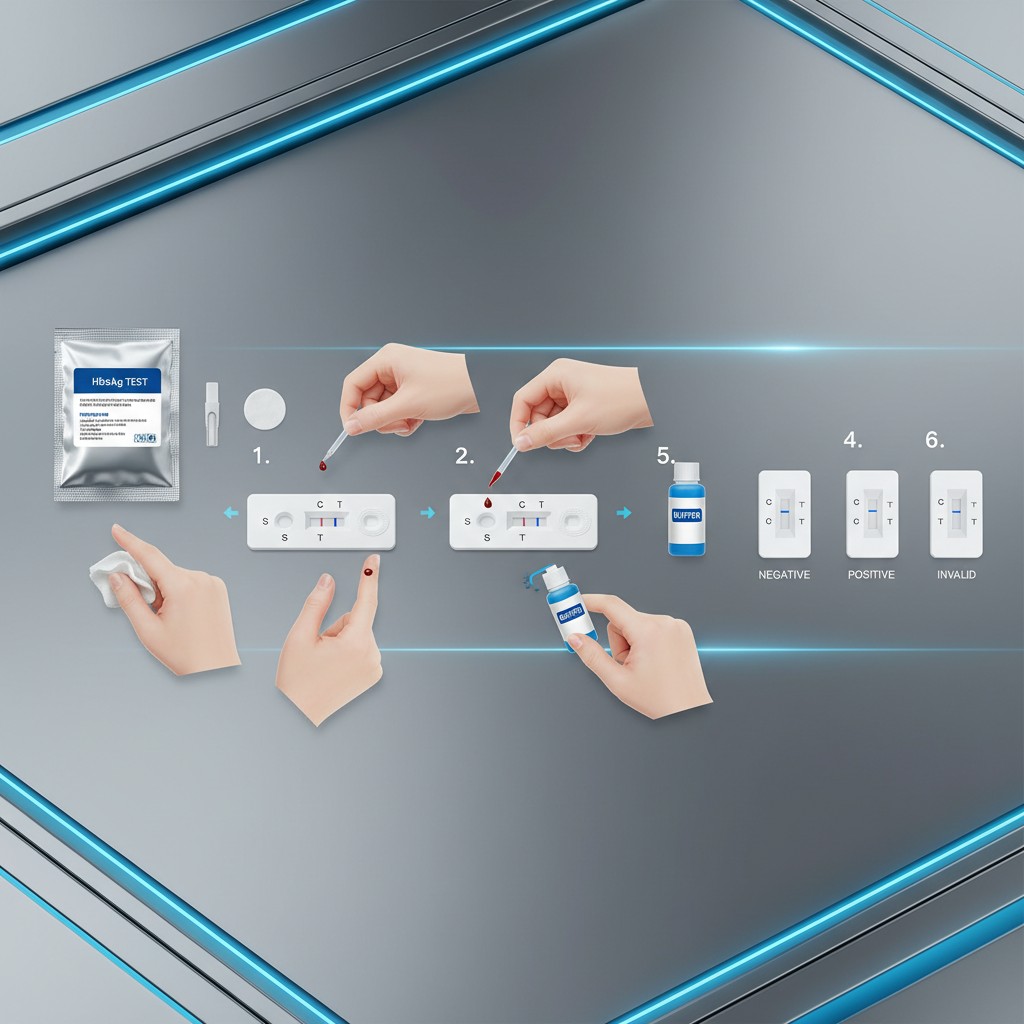
The HBsAg test identifies a specific protein on the surface of the Hepatitis B virus. A positive result indicates that the person is infected with HBV, either acutely or chronically. The test is important because Hepatitis B can lead to serious liver problems, including cirrhosis, liver failure, and liver cancer. Early diagnosis allows for prompt treatment and monitoring, reducing the risk of these complications. Regular screening is particularly important for individuals at high risk, such as those with multiple sexual partners, intravenous drug users, and healthcare workers. Prisesbio’s HBsAg testing can provide peace of mind and facilitate timely medical intervention.
Key Highlights: The HBsAg test is a fundamental tool in detecting Hepatitis B infection, enabling early diagnosis, treatment, and prevention of severe liver disease.
Interpreting HBsAg Test Results
Understanding your HBsAg test results is crucial. A positive result indicates that you are infected with the Hepatitis B virus. Further testing, such as a Hepatitis B DNA test, will be needed to determine if the infection is acute (short-term) or chronic (long-term). A negative result typically indicates that you are not currently infected with HBV. However, it doesn’t necessarily mean you’ve never been infected. In some cases, a negative result might indicate a very early infection or a low level of virus that isn't detectable. Repeat testing may be recommended. It’s essential to discuss your results with your healthcare provider for accurate interpretation and appropriate follow-up care.
HBsAg Test Results Overview:
• Positive: Indicates current Hepatitis B infection.
• Negative: Typically indicates no current infection, but further testing might be needed in certain situations.
• Further testing required: Needed to determine acute vs. chronic infection.
HBsAg Test vs. Other Hepatitis B Tests: A Comparison
Several tests are used to diagnose and monitor Hepatitis B infection. The HBsAg test is often the first step in screening. Other tests include anti-HBs (Hepatitis B surface antibody, indicating immunity), anti-HBc (Hepatitis B core antibody, indicating past or present infection), and Hepatitis B DNA (measuring the viral load). Each test provides different information. For instance, a positive anti-HBs result indicates immunity, usually due to vaccination. Understanding the differences between these tests is important for comprehensive Hepatitis B management. Prisesbio offers a full panel of Hepatitis B tests to provide a complete picture of your health.
Who Should Get Tested for HBsAg?
The CDC recommends routine HBsAg testing for individuals at risk of HBV infection. This includes: all infants, people who inject drugs, men who have sex with men, people with multiple sexual partners, healthcare workers, people with chronic liver disease, and people receiving immunosuppressive therapy. Testing is also recommended for people born in regions with high HBV prevalence. Regular screening can help identify infections early, preventing further spread and complications. Prisesbio offers convenient and confidential HBsAg testing options.
The Importance of Vaccination and Prevention
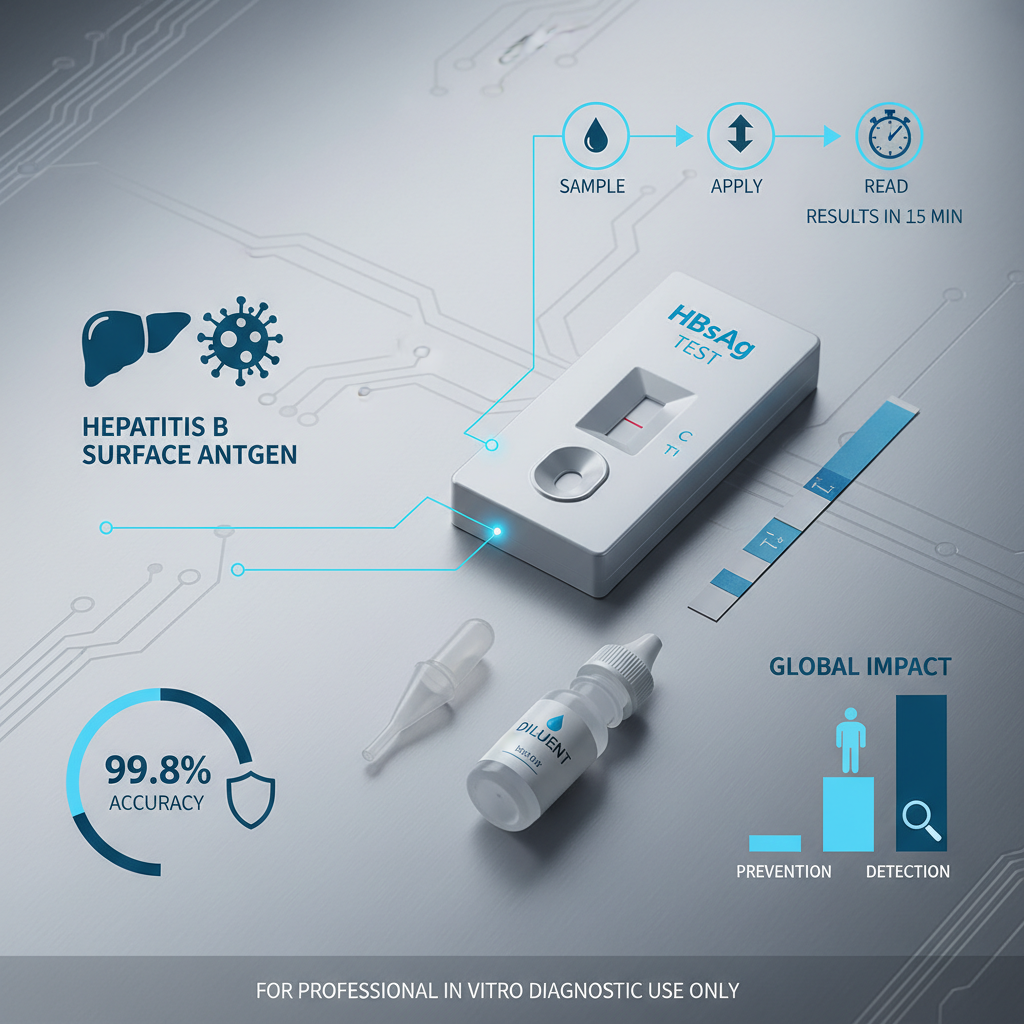
Vaccination is the most effective way to prevent Hepatitis B infection. The Hepatitis B vaccine is safe and highly effective, providing long-term immunity. It is typically given in a series of three shots. In addition to vaccination, practicing safe sex, avoiding sharing needles, and ensuring proper sterilization of medical equipment can also reduce the risk of HBV transmission. Early detection and prevention are key to controlling the spread of this serious infection.
Conclusion: Taking Control of Your Hepatitis B Health
The HBsAg test is a vital step in understanding your Hepatitis B status. Early detection, coupled with vaccination and preventative measures, can significantly reduce the risk of complications. Prisesbio is committed to providing accurate and reliable testing services, empowering you to take control of your health.
Frequently Asked Questions (FAQs)
What does a positive HBsAg test mean?
A positive HBsAg test means you have a current Hepatitis B infection. It indicates that the Hepatitis B virus is present in your blood. This doesn’t immediately tell you if the infection is acute or chronic. Further tests, like a Hepatitis B DNA test, are needed to determine the type of infection. It's important to consult with a healthcare professional for appropriate follow-up and potential treatment options. Ignoring a positive result can lead to serious long-term health consequences.
How accurate is the HBsAg test?
The HBsAg test is highly accurate, especially when performed using modern laboratory techniques. However, like all medical tests, it's not 100% perfect. There's a small chance of a false-positive result (the test shows you're infected when you're not) or a false-negative result (the test doesn't detect an infection that is present). Repeat testing or confirmatory tests may be performed to ensure accuracy.
Can I get tested for HBsAg at home?
While at-home testing kits for Hepatitis B are becoming available, it’s generally recommended to get tested through a healthcare provider or a reputable laboratory like Prisesbio. Professional testing ensures accurate results, proper sample collection, and access to medical guidance for interpreting your results and receiving appropriate care. Self-administered tests may not be as accurate or reliable.
What happens after a positive HBsAg test?
After a positive HBsAg test, your healthcare provider will likely order additional tests, such as a Hepatitis B DNA test to determine the viral load, and liver function tests to assess liver health. They may also recommend a liver ultrasound or biopsy. Treatment options for chronic Hepatitis B infection include antiviral medications to suppress the virus and prevent liver damage. Regular monitoring is essential to assess treatment effectiveness and manage any complications.
-
Buy at home covid test rapid covid test kit antigen test covid19
NewsApr.16,2026
-
Covid19 Antigent Test Kit Cassette Covid Test Rapid Diagnostic Covid 19 Antigen Rapid Test
NewsApr.09,2026
-
Comprehensive Guide to Antigen Covid Test Covid Saliva Test and Covid Test Kit 19 Options
NewsApr.07,2026
-
Comprehensive Guide to Test Kit Covid Covid19 Rapid Antigen Test Self Test Covid Options
NewsApr.04,2026
-
Comprehensive Guide to Rapid Test Kits COVID19 for Accurate Covid Self Test Results
NewsMar.31,2026
-
Comprehensive Guide to Rapid Antigen Test Kit Covid 19 Covid Rapid Test Kit Test Kit Covid 19
NewsMar.28,2026