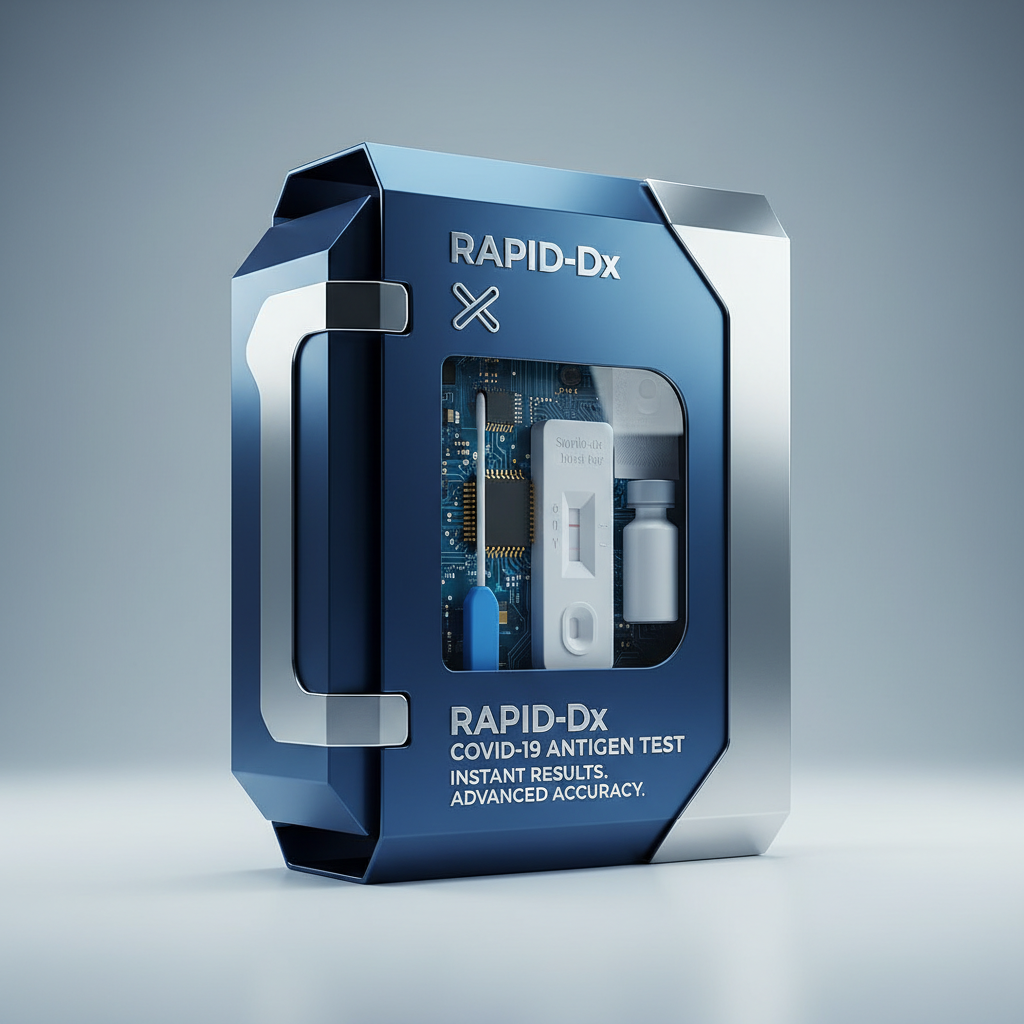
The sars-cov-2 antigen rapid test has become a cornerstone of global health security, particularly in the wake of the COVID-19 pandemic. These tests provide a quick and accessible method for detecting active coronavirus infections, enabling rapid responses to control outbreaks and protect public health. Their portability and ease of use make them invaluable in diverse settings, from point-of-care diagnostics to mass screening programs.
Understanding the intricacies of the sars-cov-2 antigen rapid test – its mechanisms, limitations, and advancements – is crucial for healthcare professionals, policymakers, and the general public. Accurate interpretation of results and appropriate implementation strategies are vital for maximizing their effectiveness and minimizing false negatives or positives. Continued innovation in this field promises even more efficient and reliable diagnostic tools.
The accessibility and speed of the sars-cov-2 antigen rapid test have dramatically altered the landscape of infectious disease management. By providing timely insights into infection status, these tests empower individuals to make informed decisions about their health and contribute to community safety. As the virus continues to evolve, the importance of rapid, accurate, and widely available testing remains paramount.
Introduction to sars-cov-2 antigen rapid test
The sars-cov-2 antigen rapid test is a diagnostic tool designed to detect the presence of specific proteins (antigens) from the virus that causes COVID-19. This allows for quicker results compared to traditional PCR tests, making it valuable for immediate decision-making in various settings. The tests are designed for ease of use, often requiring minimal training.
These tests represent a significant advancement in point-of-care diagnostics, empowering individuals and healthcare providers to identify potential infections swiftly. The ability to perform tests outside of traditional laboratory settings is a key strength, particularly in resource-limited environments and for rapid screening purposes.
Global Relevance and Impact
The COVID-19 pandemic underscored the critical need for widespread, accessible, and rapid testing capabilities. The sars-cov-2 antigen rapid test emerged as a vital tool in responding to this global crisis, enabling governments and healthcare organizations to track the spread of the virus, implement targeted interventions, and manage healthcare resources effectively.
According to the World Health Organization (WHO), effective testing strategies are fundamental to controlling any epidemic. Antigen rapid tests, while generally less sensitive than PCR, offer a valuable balance between speed, cost, and accessibility, making them particularly useful in mass screening campaigns and areas with limited laboratory infrastructure.
The ISO standards play a critical role in ensuring the quality and reliability of these tests, guaranteeing a level of performance and accuracy that is essential for informed decision-making. The global demand for these tests surged dramatically, highlighting their indispensable role in pandemic response.
Defining sars-cov-2 Antigen Rapid Tests
A sars-cov-2 antigen rapid test detects viral proteins, specifically antigens, found on or within the virus. Unlike PCR tests that amplify viral genetic material, antigen tests identify the presence of the proteins themselves. This difference results in faster turnaround times, typically 15-30 minutes.
This technology is vital for modern healthcare and emergency response because it allows for decentralized testing. These tests don't require complex laboratory equipment or highly skilled personnel, broadening access to diagnostics in remote areas, schools, workplaces, and even at home. This ease of use is crucial for scaling up testing capacity during outbreaks.
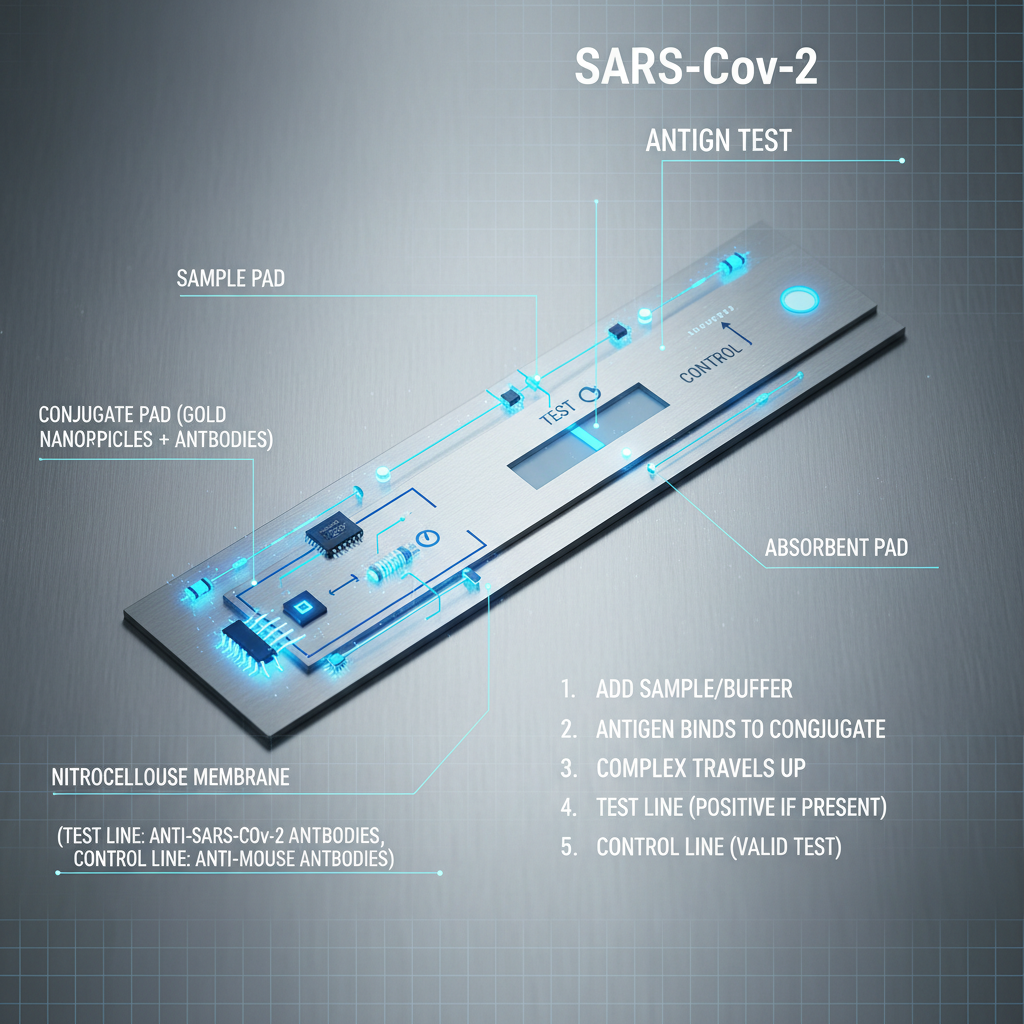
The core principle revolves around an antibody-antigen reaction. The test strip contains antibodies that specifically bind to the SARS-CoV-2 antigens. The detection of this binding is usually visualized through a color change, indicating a positive result. However, it's crucial to understand that antigen tests are generally less sensitive than PCR tests, particularly in the early stages of infection when viral loads are low.
Key Factors Influencing Performance
Several critical factors influence the accuracy and reliability of sars-cov-2 antigen rapid tests. Viral load is a primary determinant – higher viral loads generally lead to more accurate positive results. The timing of the test relative to infection is also important, as antigen levels fluctuate throughout the course of the illness.
Proper sample collection is paramount. Incorrect swabbing techniques can lead to false negatives. Furthermore, storage and transportation conditions can impact the integrity of the test reagents. Adherence to manufacturer's instructions is crucial for maximizing the accuracy of results.
sars-cov-2 antigen rapid test Performance Metrics
Global Applications and Use Cases
sars-cov-2 antigen rapid tests are utilized extensively in a diverse range of settings worldwide. They are crucial in point-of-care diagnostics in hospitals and clinics, enabling quick triage and treatment decisions. Mass screening programs in schools, workplaces, and community centers rely heavily on their speed and accessibility.
In post-disaster relief operations, where laboratory infrastructure is often compromised, these tests provide a lifeline for identifying and isolating infected individuals. Remote industrial zones, such as mining camps and oil rigs, also benefit from their ability to provide on-site testing, minimizing disruptions to operations.
Advantages and Long-Term Value
The advantages of sars-cov-2 antigen rapid tests extend beyond speed and accessibility. They offer a cost-effective solution for widespread testing, particularly in comparison to PCR tests. Their portability allows for testing in diverse and remote locations, expanding access to diagnostics for underserved populations.
The long-term value lies in their contribution to building more resilient public health systems. These tests empower individuals to take control of their health, promote responsible behavior, and contribute to community safety. They foster trust and confidence in diagnostic capabilities, encouraging wider participation in testing programs.
Future Trends and Innovations
The field of sars-cov-2 antigen rapid test is continually evolving. Future innovations are likely to focus on improving sensitivity and specificity, reducing the risk of false negatives. Multiplex assays, capable of detecting multiple respiratory viruses simultaneously, are gaining prominence.
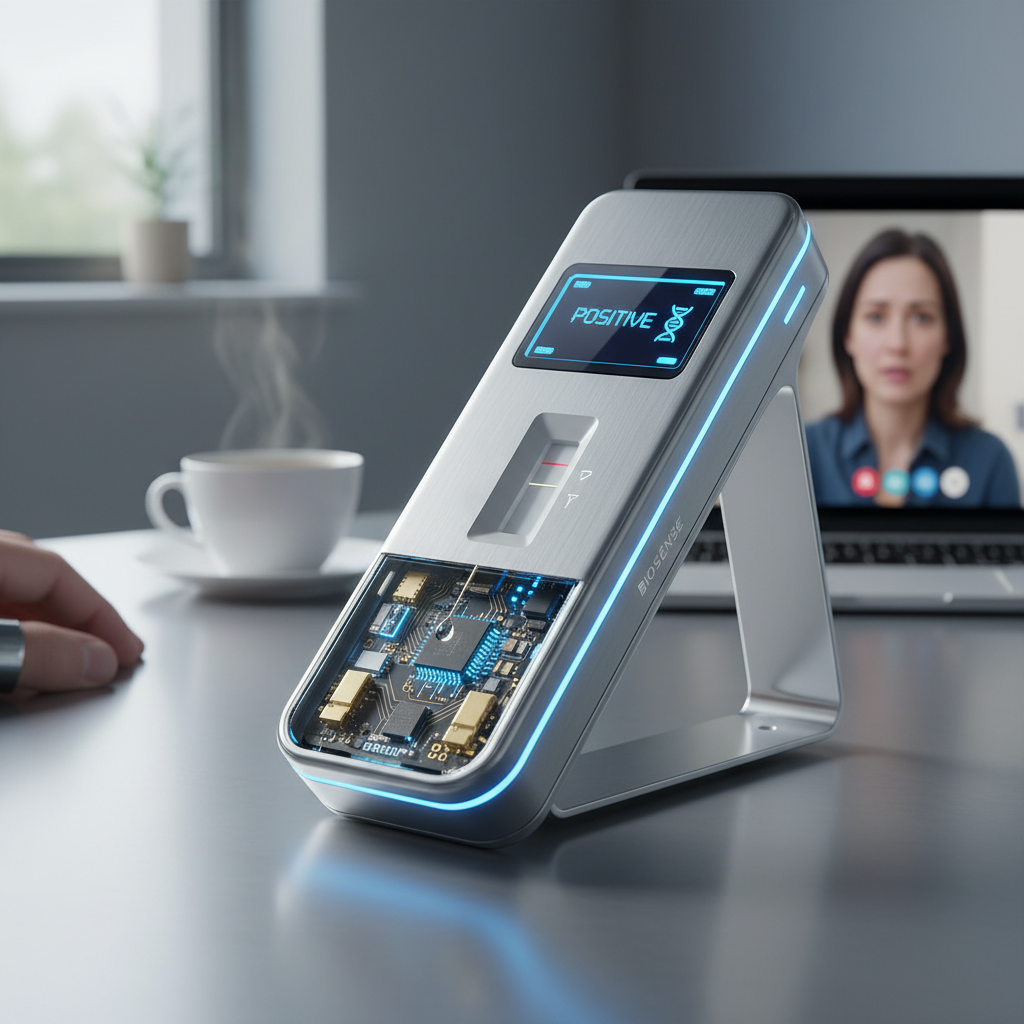
Digital integration, through smartphone-based readers and data analytics platforms, promises to streamline testing processes, improve data collection, and facilitate real-time surveillance. Furthermore, advancements in materials science may lead to the development of even more stable and user-friendly test formats.
Automation will also play a crucial role in increasing throughput and reducing human error in antigen testing. The integration of artificial intelligence (AI) for result interpretation and predictive analytics will further enhance the effectiveness of these tests.
Summary of Challenges and Potential Solutions for sars-cov-2 antigen rapid test
| Challenge |
Impact on sars-cov-2 antigen rapid test Performance |
Potential Solution |
Implementation Feasibility |
| Lower Sensitivity Compared to PCR |
Increased False Negative Rate, especially with Low Viral Loads |
Development of more sensitive antigen capture antibodies and improved amplification techniques. |
Medium – requires significant research and development. |
| Variability in Sample Collection |
Inconsistent Results due to Improper Swabbing |
Standardized Training Programs for Sample Collectors, and Development of Self-Collection Kits with Clear Instructions |
High – relatively easy to implement. |
| Supply Chain Disruptions |
Limited Availability during Peak Demand |
Diversification of Manufacturing Sources and Strategic Stockpiling. |
Medium - requires international cooperation. |
| Result Interpretation Errors |
Misunderstanding of Test Limitations and Incorrect Action Taken |
Clear and Concise Communication of Test Results, and Public Education Campaigns. |
High - relatively inexpensive to implement. |
| Emergence of Viral Variants |
Potential for Reduced Accuracy Due to Antigenic Drift |
Continuous Monitoring of Viral Variants and Development of Updated Test Kits |
Medium – requires ongoing surveillance and adaptation. |
| Cost Considerations |
High cost for widespread, frequent testing. |
Government subsidies and bulk purchasing to lower the cost for public health initiatives. |
Medium – Dependent on government policies. |
FAQS
A sars-cov-2 antigen rapid test detects viral proteins, providing results quickly (15-30 minutes), but is generally less sensitive than a PCR test. PCR tests amplify viral genetic material, making them more accurate but requiring longer processing times (hours to days). Antigen tests are useful for rapid screening, while PCR tests are considered the gold standard for confirming infection.
Accuracy varies depending on several factors including viral load, timing of the test, and the specific test manufacturer. Generally, antigen tests have a sensitivity of around 80-90% and a specificity of over 95%. This means they are good at correctly identifying those without the virus, but may miss some cases, especially early in the infection when viral loads are low.
The most accurate results are typically obtained when the test is taken during the period of highest viral load, which is usually 2-5 days after symptom onset. However, testing can be beneficial at any point during a potential exposure or when experiencing symptoms, even if the results are negative – consider repeating the test after 24-48 hours if symptoms persist.
If you receive a positive result, it's essential to isolate yourself immediately to prevent further spread of the virus. Follow the guidance of your local health authorities regarding testing confirmation (often with a PCR test) and recommended quarantine procedures. Contact your healthcare provider for advice and treatment.
A negative result does not guarantee you are not infected. Antigen tests are less sensitive than PCR tests and can produce false negatives, particularly if taken too early in the infection. If you have symptoms or have been exposed to someone with COVID-19, consider repeating the test after 24-48 hours or getting a PCR test for confirmation.
sars-cov-2 antigen rapid tests are widely available at pharmacies, drugstores, and online retailers. When purchasing, ensure the test is authorized by the relevant regulatory agencies in your region (e.g., FDA in the US, CE marking in Europe) to ensure quality and reliability.
Conclusion
The sars-cov-2 antigen rapid test has proven to be an invaluable tool in combating the COVID-19 pandemic and continues to play a vital role in global health security. Its speed, accessibility, and cost-effectiveness have made it a cornerstone of testing strategies worldwide. While not without limitations, ongoing advancements are addressing these challenges and enhancing its performance.
Looking ahead, the integration of innovative technologies, improved sensitivity, and streamlined data management will further solidify the importance of these tests in detecting and controlling infectious diseases. Investing in research, development, and widespread access to sars-cov-2 antigen rapid test is essential for building more resilient and prepared public health systems. Visit our website at PrisesBio for more information on reliable testing solutions.