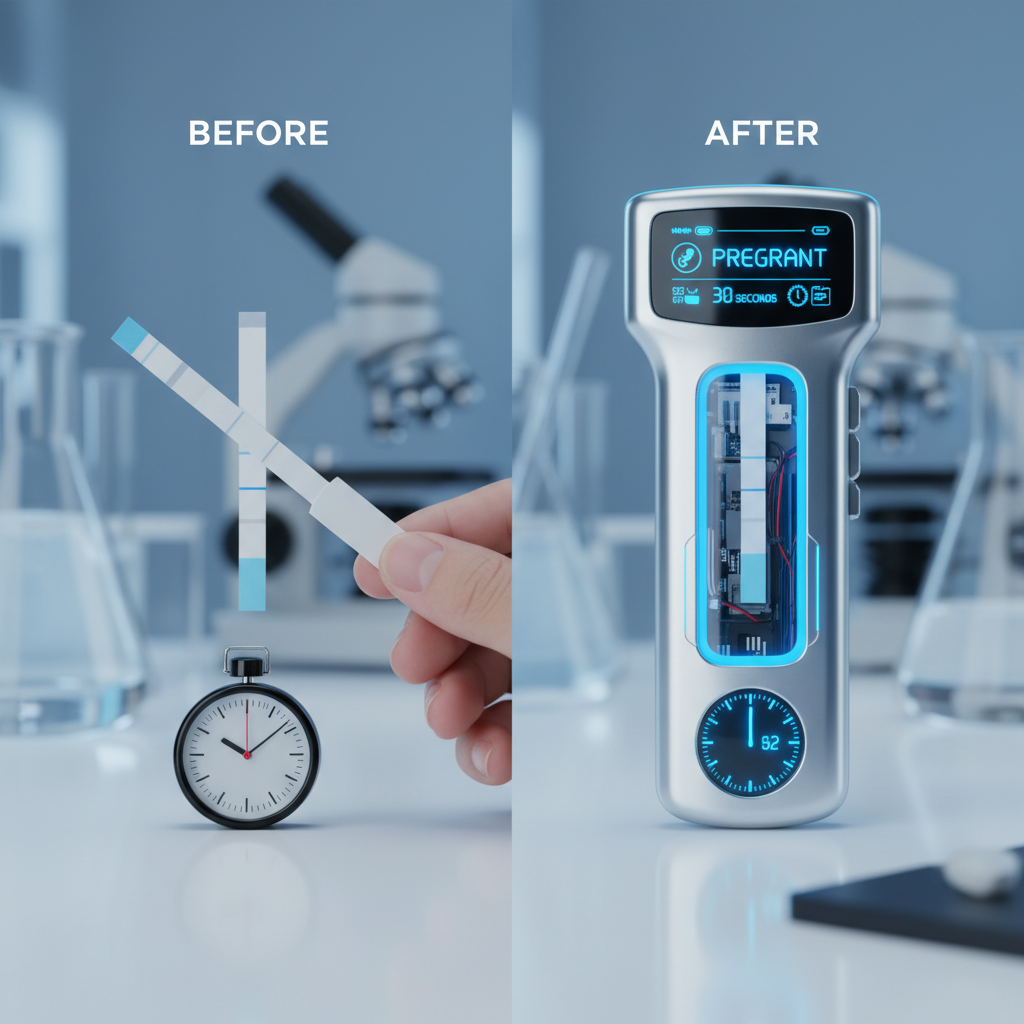
The global landscape has been profoundly impacted by the need for rapid and accurate diagnostic tools, particularly in the wake of recent pandemics. covid antigen rapid tests have emerged as a critical component of public health strategies, offering a quick and accessible means of identifying infections. These tests are instrumental in controlling disease spread, facilitating informed decision-making, and alleviating pressure on healthcare systems worldwide. Their accessibility and speed make them particularly valuable in resource-limited settings.
The demand for efficient and reliable testing solutions has surged, driving innovation in antigen rapid test technology. From point-of-care diagnostics to large-scale screening programs, these tests have become ubiquitous in healthcare, travel, and workplace settings. The ability to provide results within minutes, without the need for specialized laboratory equipment, positions covid antigen rapid tests as a frontline defense against infectious diseases, especially in geographically remote or underserved communities.
Understanding the principles, applications, and advancements in covid antigen rapid test technology is crucial for healthcare professionals, policymakers, and the general public alike. This knowledge empowers effective response strategies and fosters a proactive approach to public health challenges. The continued development and refinement of these tests will undoubtedly play a pivotal role in mitigating the impact of future outbreaks and safeguarding global health security.
The Significance of covid antigen rapid test
The rapid global spread of infectious diseases underscores the vital role of swift and accurate diagnostics. covid antigen rapid tests provide a crucial layer of defense, allowing for quick identification of infected individuals, even in the absence of sophisticated laboratory infrastructure. This capability directly contributes to effective containment measures and minimizes the broader societal impact of outbreaks.
Beyond public health, these tests support economic stability by enabling informed decisions regarding travel, workplace safety, and event management. The accessibility of covid antigen rapid tests empowers individuals to take proactive steps to protect themselves and others, fostering a sense of collective responsibility and promoting a return to normalcy during challenging times.
Understanding covid antigen rapid test
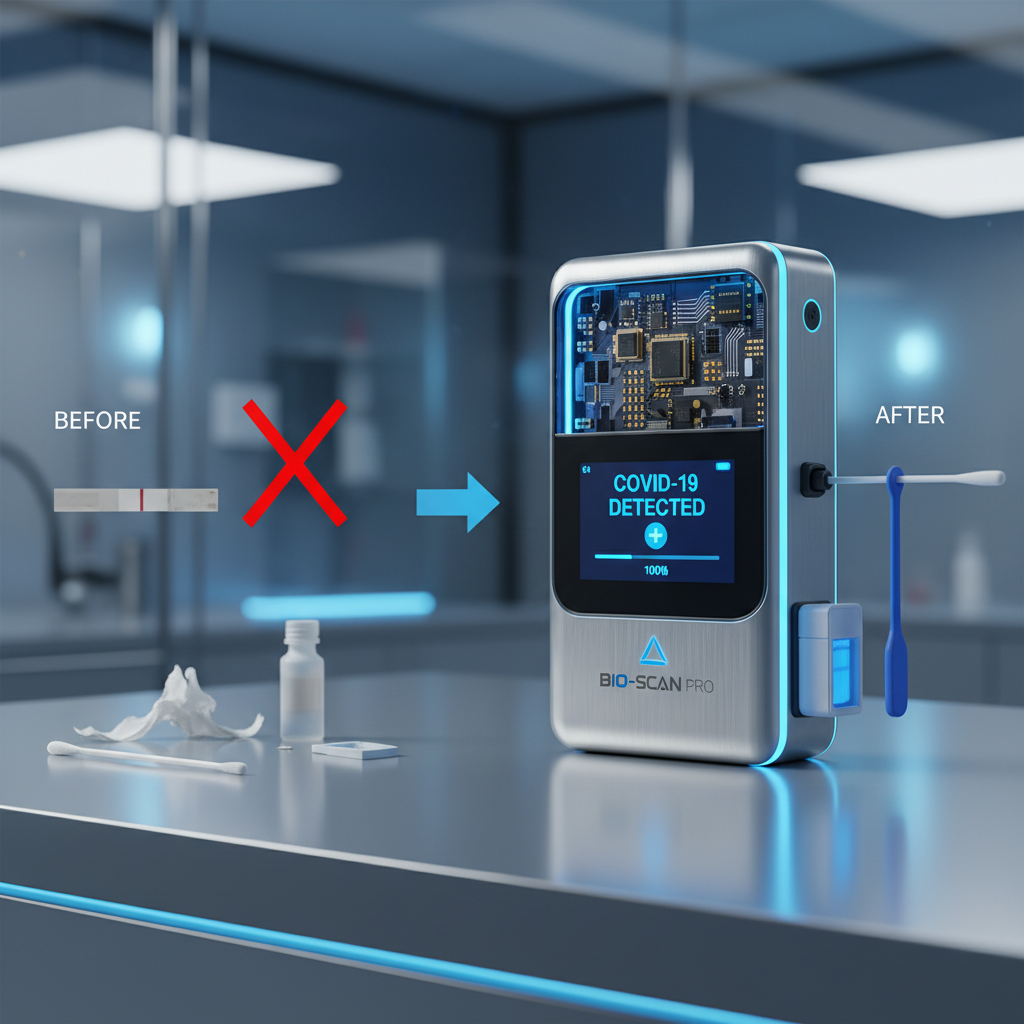
A covid antigen rapid test is a diagnostic tool designed to detect the presence of specific viral proteins, known as antigens, in a sample taken from an individual’s nasal cavity. Unlike PCR tests, which amplify viral genetic material, antigen tests directly identify the proteins themselves. This difference accounts for their faster turnaround time, though generally with slightly lower sensitivity.
The core principle behind these tests revolves around antibody-antigen interactions. Antibodies specifically engineered to bind to the target viral proteins are immobilized on a test strip. When a sample containing the antigen is applied, the antigen binds to the antibodies, triggering a visible signal—usually a colored line—indicating a positive result.
These tests are fundamental in modern healthcare because they offer a balance between speed, cost-effectiveness, and accessibility, making them ideal for widespread screening and decentralized testing scenarios. Their portability and ease of use also make them invaluable in humanitarian relief efforts and remote locations where laboratory facilities are limited.
Core Components of covid antigen rapid test
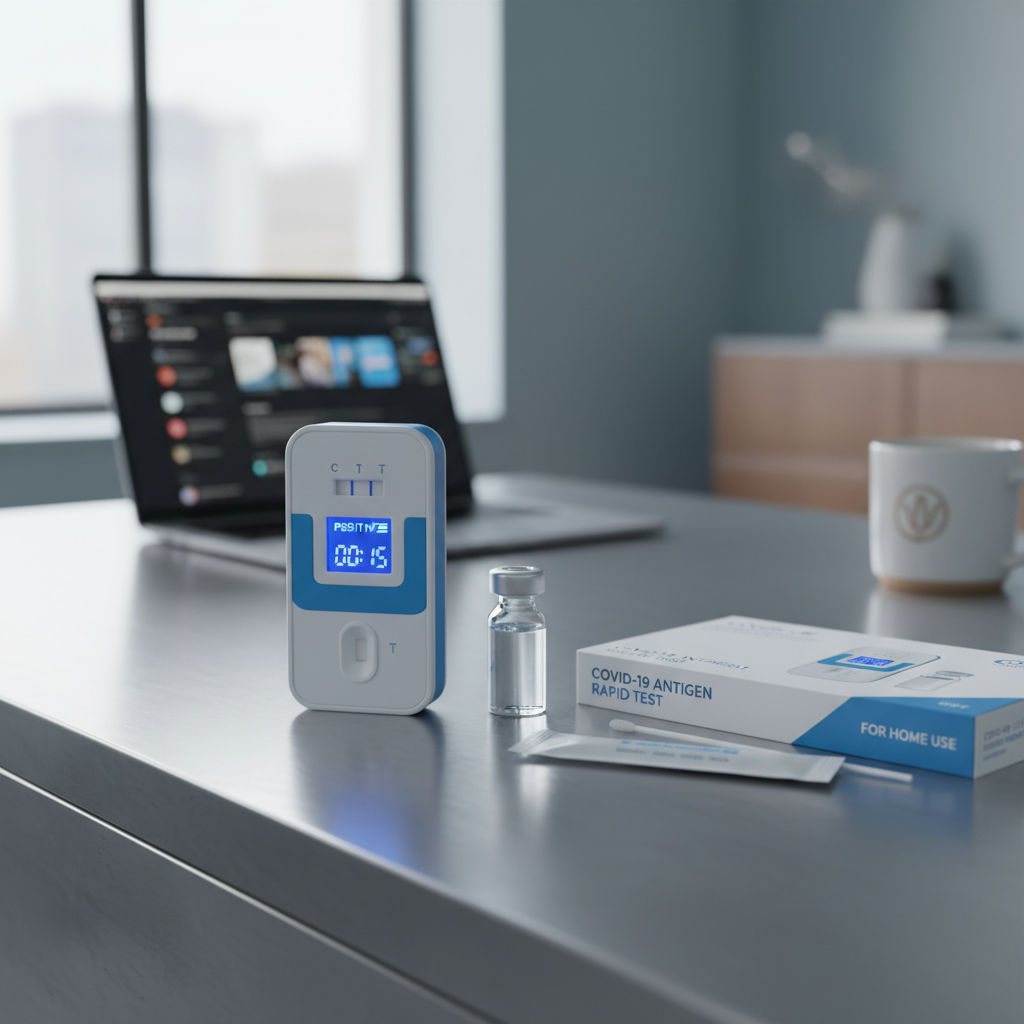
The effectiveness of a covid antigen rapid test relies on several key components working in harmony. The first is the antibody specificity; antibodies must accurately target the viral antigen without cross-reactivity to other substances. The second is the sample collection method, ensuring a sufficient and representative sample is obtained from the patient.
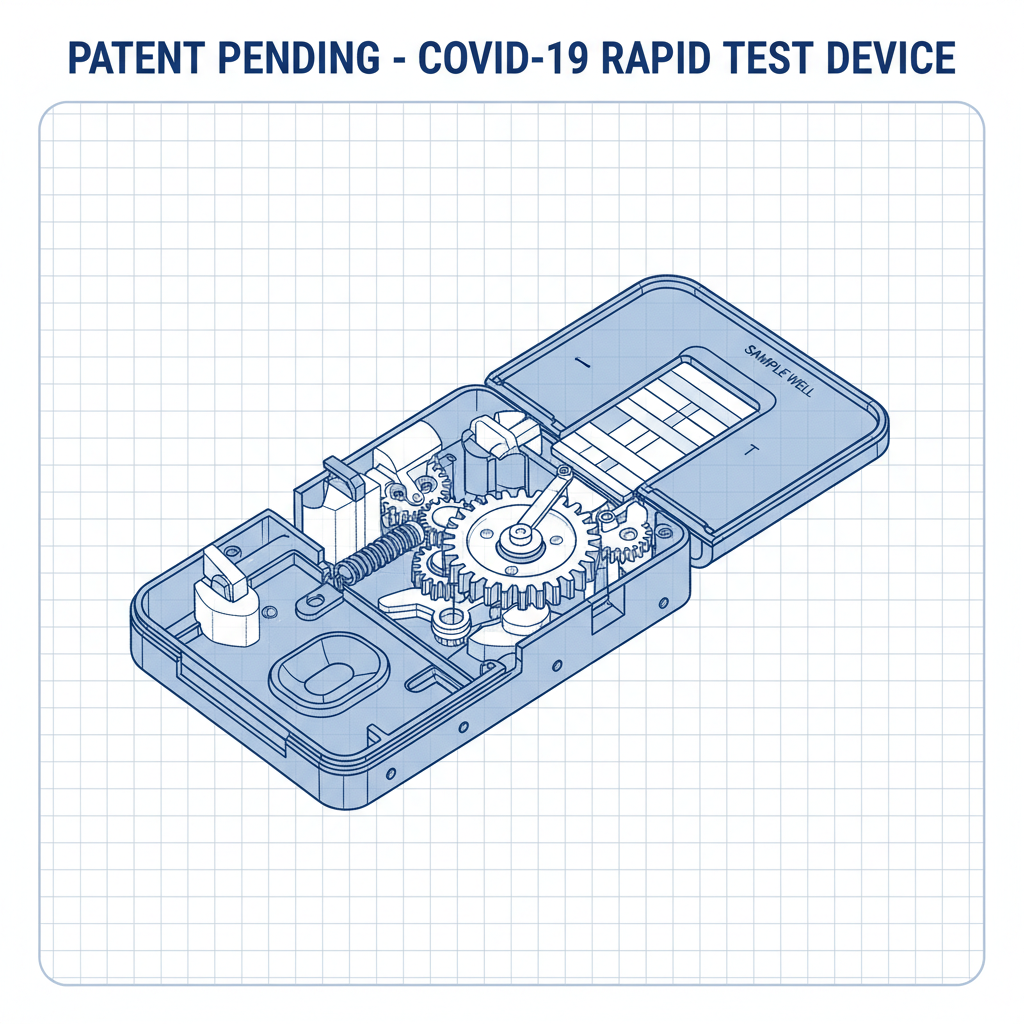
Another critical aspect is the test strip itself, comprising a nitrocellulose membrane with distinct zones for sample application, antibody-antigen interaction, and signal detection. The quality of the materials and manufacturing process directly impacts the test's accuracy and reliability. Finally, the signal amplification system – often involving colloidal gold or fluorescent nanoparticles – ensures a visible and easily interpretable result.
These components, when optimized, contribute to a user-friendly and reliable testing experience. Ongoing research focuses on improving each element to enhance sensitivity, specificity, and overall performance of covid antigen rapid tests.
Applications of covid antigen rapid test
covid antigen rapid tests have found widespread application across a diverse range of settings. In clinical settings, they serve as a rapid triage tool, enabling healthcare professionals to quickly identify and isolate potentially infected individuals. This is crucial for managing patient flow and minimizing the risk of hospital-acquired infections.
Beyond hospitals, antigen tests are used extensively in schools and workplaces to facilitate routine screening and monitor for outbreaks. They are also essential for pre-travel screening, allowing individuals to confirm their COVID-19 status before embarking on journeys. In remote areas and resource-limited countries, they offer a vital diagnostic capability where PCR testing is not readily available.
Comparison of Different covid antigen rapid test Methods
Advantages and Value of covid antigen rapid test
The primary advantage of covid antigen rapid tests lies in their speed and convenience. Results are typically available within 15-30 minutes, allowing for immediate action based on the outcome. This contrasts sharply with PCR tests, which often require several hours or even days for results.
Cost-effectiveness is another significant benefit. Antigen tests are generally less expensive than PCR tests, making them a more accessible option for widespread screening programs. Furthermore, their simplicity requires minimal training for administration, enabling deployment in a variety of settings.
Future Trends in covid antigen rapid test
Future development of covid antigen rapid tests is focusing on increasing sensitivity and specificity, potentially through the use of novel antibody engineering techniques and improved signal amplification methods. Multiplex testing, capable of detecting multiple respiratory viruses simultaneously, is also gaining traction.
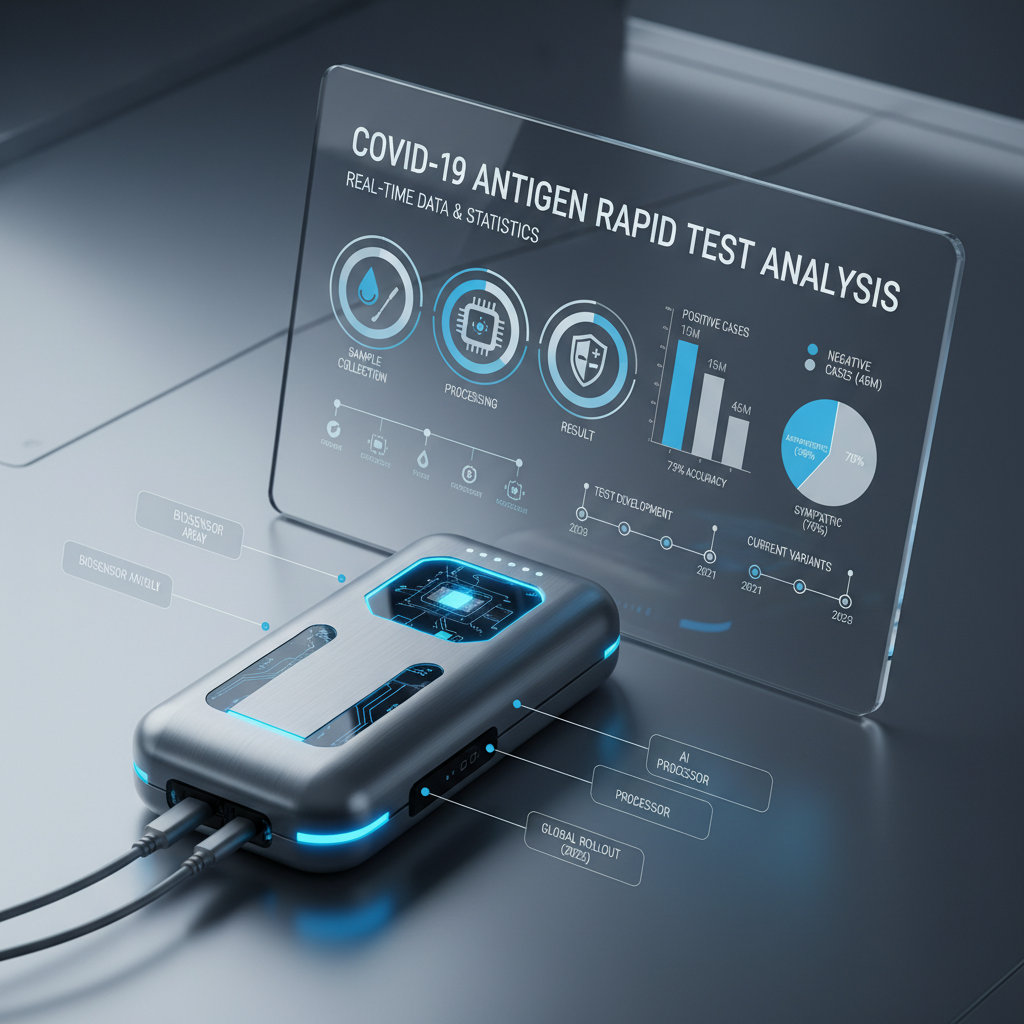
The integration of digital technologies, such as smartphone-based readers and data analysis platforms, promises to streamline test administration, result interpretation, and data reporting. These advancements will facilitate real-time monitoring of disease outbreaks and enable more targeted public health interventions.
Furthermore, research is underway to develop antigen tests that can detect viral variants, ensuring continued accuracy and effectiveness in the face of evolving pathogens. Self-testing and at-home use are likely to become increasingly prevalent, empowering individuals to proactively manage their health.
Challenges and Solutions for covid antigen rapid test
Despite their advantages, covid antigen rapid tests have limitations, primarily related to lower sensitivity compared to PCR tests. This means they may miss some cases, particularly those with low viral loads. False negatives are a concern, especially in the early stages of infection.
To mitigate this, strategies include repeated testing, combining antigen tests with other diagnostic methods, and improving test design to enhance sensitivity. Quality control measures are also crucial to ensure accurate and reliable results. Standardization of testing protocols and ongoing validation studies are essential for maintaining public trust.
Addressing supply chain vulnerabilities and ensuring equitable access to these tests, particularly in underserved communities, remain significant challenges. International collaboration and strategic stockpiling are vital for preparedness and a swift response to future outbreaks.
Analysis of Factors Affecting covid antigen rapid test Performance
| Sample Quality |
Testing Environment |
Operator Skill |
Test Batch Consistency |
| Adequacy of nasal swab sample collection |
Temperature and humidity levels |
Correct following of testing procedures |
Variation in reagent stability |
| Presence of mucus or other contaminants |
Exposure to direct sunlight |
Reading results within the specified timeframe |
Manufacturing quality control standards |
| Proper storage of the sample before testing |
Ventilation and air circulation |
Interpretation of faint or ambiguous lines |
Calibration of testing equipment |
| Impact of prior nasal congestion |
Potential for cross-contamination |
Adherence to recommended safety protocols |
Lot-to-lot variability in test components |
| Consistency of sample collection technique |
Adequate lighting for result interpretation |
Proper disposal of biohazardous waste |
Stringency of quality assurance checks |
| Timing of sample collection relative to symptom onset |
Prevention of accidental spills |
Accurate record-keeping of test results |
Compliance with regulatory guidelines |
FAQS
While PCR tests are generally considered the gold standard for accuracy, covid antigen rapid tests offer a reasonable level of sensitivity and specificity, particularly when used correctly and frequently. Antigen tests are most effective when testing individuals who are experiencing symptoms or during the peak of infection when viral loads are highest. Sensitivity varies between brands and can be lower than PCR, meaning there's a higher chance of a false negative. However, their speed and convenience make them a valuable tool for rapid screening.
Yes, you can use a covid antigen rapid test even if you have no symptoms. However, it's important to understand that the test is more likely to yield an accurate result when you're experiencing symptoms and have a higher viral load. Asymptomatic testing may be less reliable, so repeat testing may be recommended to increase confidence in the result. Testing is especially important if you've been exposed to someone with COVID-19, even without symptoms.
If your covid antigen rapid test result is positive, it's crucial to isolate yourself immediately to prevent further spread of the virus. You should also notify your healthcare provider and follow their guidance on next steps, which may include confirmation with a PCR test and monitoring for symptom development. Inform close contacts of your positive result so they can take appropriate precautions.
A negative result on a covid antigen rapid test doesn't completely rule out infection, especially if you're experiencing symptoms. Repeat testing with another antigen test or consider a PCR test for confirmation is recommended. Continue to practice preventative measures such as masking and social distancing, and consult with your healthcare provider for further evaluation.
The validity period for covid antigen rapid test results for travel varies significantly depending on the destination country and airline. Typically, results are valid for 24-72 hours, but it’s essential to check the specific requirements of your travel destination before your trip. Always verify the accepted test types and validity windows to avoid travel disruptions.
Reliable covid antigen rapid tests can be purchased from reputable pharmacies, healthcare providers, and authorized online retailers. Ensure the test is FDA-authorized or approved by the relevant regulatory authority in your country. Avoid purchasing tests from unverified sources, as they may be counterfeit or substandard. PrisesBio offers a range of certified and reliable tests.
Conclusion
covid antigen rapid tests have revolutionized infectious disease management, offering a fast, accessible, and cost-effective means of detecting infections. While not without limitations, their widespread deployment has significantly enhanced our ability to control outbreaks, protect public health, and navigate the challenges posed by evolving viruses. Their ongoing development and integration with digital technologies promise even greater accuracy and efficiency in the future.
Continued investment in research, standardized testing protocols, and equitable access to these tests are crucial for maximizing their impact. By embracing innovation and addressing existing challenges, we can leverage the power of covid antigen rapid tests to build a more resilient and prepared global health system. For reliable and high-quality tests, visit our website: www.prisesbio.com.