The global landscape of infectious disease management has been dramatically reshaped by the COVID-19 pandemic, driving a surge in demand for rapid, accurate, and accessible diagnostic testing. Among the various testing methods available, the covid saliva test has emerged as a particularly promising approach. Its non-invasive nature, coupled with its potential for at-home or point-of-care implementation, addresses many of the logistical and accessibility challenges associated with traditional nasopharyngeal swab testing.
The increasing prevalence of variant strains and the need for continuous monitoring necessitates widespread and frequent testing strategies. covid saliva test offers a viable solution for large-scale screening programs, particularly in settings where resource constraints or infrastructure limitations exist. The technology’s evolution allows for quicker turnaround times and improved sensitivity, crucial factors in controlling disease spread and mitigating public health risks.
Understanding the nuances of covid saliva test – its methodology, accuracy, limitations, and evolving applications – is paramount for healthcare professionals, policymakers, and the public alike. This knowledge empowers informed decision-making and contributes to a more effective and equitable response to future health crises.
Introduction to covid saliva test
The covid saliva test represents a significant advancement in diagnostic capabilities, offering a less invasive alternative to traditional methods. The simplicity of sample collection, often achievable without trained healthcare personnel, makes it ideally suited for widespread screening programs. This increased accessibility is a key factor in broadening testing reach and identifying asymptomatic carriers of the virus.
The development and deployment of accurate and efficient covid saliva test methods has been critical in managing the pandemic. Continuous improvements in test sensitivity and specificity are crucial for reliable results, influencing public health strategies, and enabling timely interventions to control outbreaks and protect vulnerable populations.
Defining covid saliva test
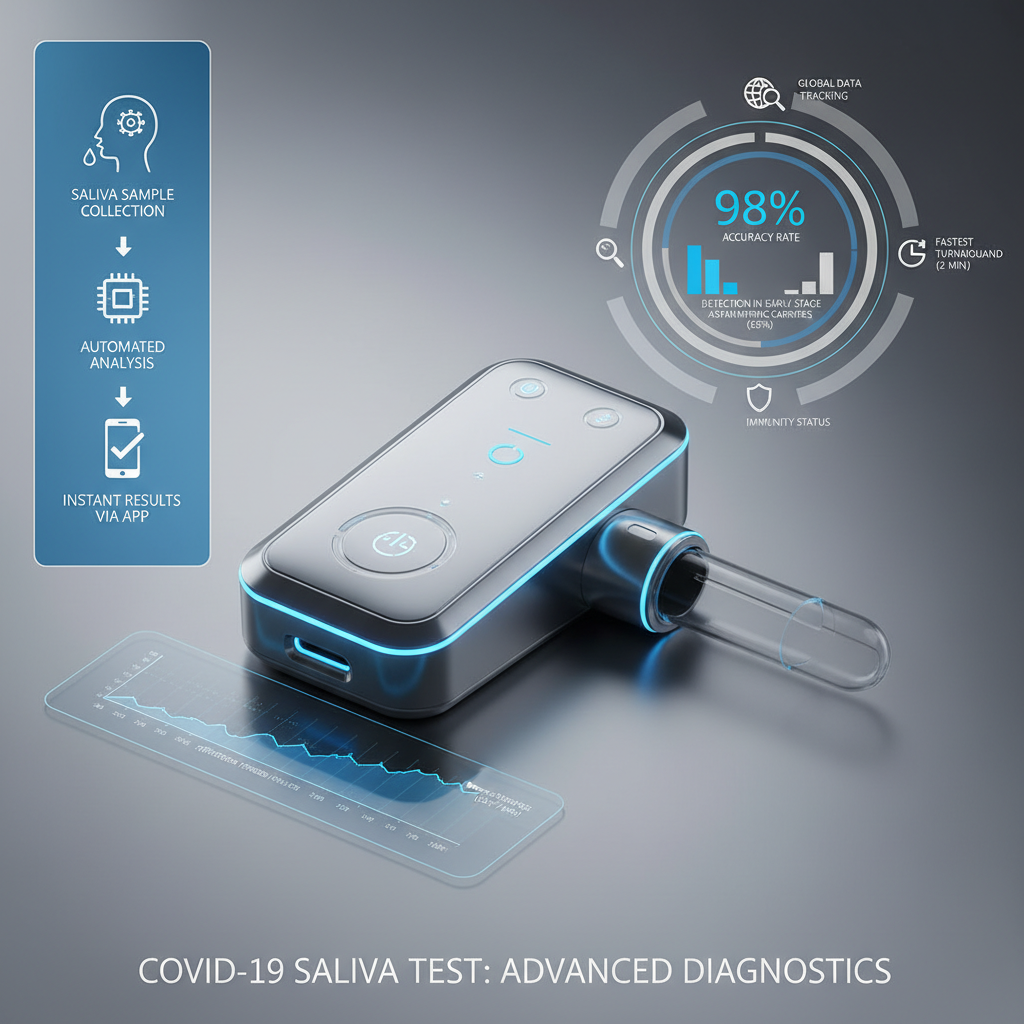
A covid saliva test is a diagnostic procedure used to detect the presence of SARS-CoV-2, the virus that causes COVID-19, by analyzing a sample of saliva. Unlike traditional tests that require a nasopharyngeal swab, saliva testing involves simply spitting into a collection tube. This non-invasive nature makes it significantly more comfortable for patients and reduces the risk of discomfort and potential complications.
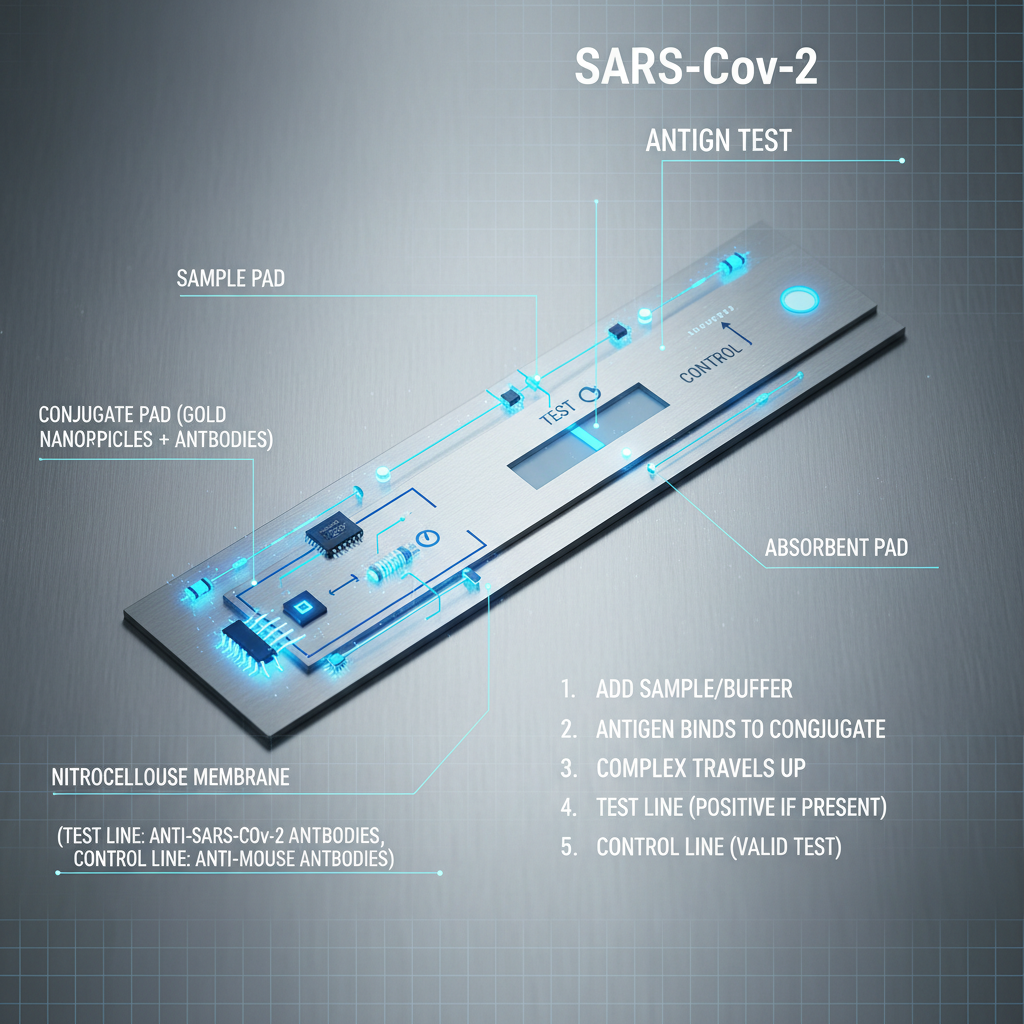
The underlying principle involves detecting viral RNA within the saliva sample, typically using polymerase chain reaction (PCR) technology. More recently, rapid antigen tests for saliva have become available, providing quicker, though generally less sensitive, results. This technology connects directly to modern public health needs, offering a scalable solution for monitoring viral transmission.
The covid saliva test is a vital tool in pandemic response, aiding in disease surveillance, contact tracing, and individual diagnosis. Its accessibility and ease of use contribute to broader testing coverage and more effective public health management.
Core Components of a covid saliva test
Several key factors determine the effectiveness of a covid saliva test. First, the collection protocol is vital; ensuring sufficient saliva volume and minimizing contamination are critical for accurate results. Second, the RNA extraction process must efficiently isolate viral RNA from the saliva sample, maximizing the sensitivity of downstream detection methods.
The PCR amplification step is crucial in replicating the viral RNA to detectable levels. Optimized PCR primers and reaction conditions are essential for specificity and sensitivity. Finally, the quality control measures implemented throughout the entire process, including regular calibration of equipment and proficiency testing, ensure reliable and trustworthy results.
Beyond the technical aspects, logistical components also play a crucial role. Efficient sample transportation, proper storage conditions, and rapid turnaround times are all necessary to deliver timely and actionable information. These components coalesce to create a robust and reliable diagnostic system.
Global Applications of covid saliva test
The covid saliva test has found widespread applications across various sectors globally. In healthcare settings, it’s used for routine screening of patients and staff, contributing to infection control and reducing the burden on healthcare systems. Educational institutions have implemented large-scale saliva testing programs to safely reopen campuses and maintain in-person learning environments.
Businesses and organizations are utilizing covid saliva test to facilitate safe return-to-work policies and mitigate the risk of workplace outbreaks. In remote or underserved communities, where access to traditional testing facilities is limited, saliva testing provides a convenient and accessible alternative.
Advantages and Long-Term Value of covid saliva test
The covid saliva test offers several significant advantages over traditional methods. Its non-invasive nature enhances patient comfort and willingness to participate in testing programs. Reduced discomfort translates to increased compliance and broader participation, ultimately improving public health outcomes. Moreover, the self-collection aspect minimizes the need for healthcare worker exposure, contributing to safer testing environments.
From a long-term perspective, the development and refinement of covid saliva test technologies can pave the way for more accessible and proactive disease surveillance systems. The potential for at-home testing empowers individuals to monitor their health and take timely action, reducing transmission rates and protecting vulnerable populations.
Future Trends in covid saliva test
Future innovations in covid saliva test are likely to focus on enhancing speed, accuracy, and affordability. The development of point-of-care devices that deliver rapid results without the need for specialized laboratory equipment is a key area of research. Integration with digital health platforms will enable seamless data collection and analysis, facilitating real-time monitoring of viral transmission trends.
Further research into biomarkers present in saliva could lead to the development of multiplex tests capable of detecting multiple respiratory pathogens simultaneously. This would provide a more comprehensive diagnostic picture and streamline the testing process. The use of artificial intelligence and machine learning algorithms to analyze saliva samples could also improve diagnostic accuracy and predictive capabilities.
Challenges and Solutions in covid saliva test Implementation
Despite its advantages, the widespread implementation of covid saliva test faces certain challenges. Ensuring sample quality and minimizing contamination are critical, as saliva can be more susceptible to degradation and interference compared to nasopharyngeal swabs. Standardized collection protocols and robust quality control measures are essential to address this issue.
Another challenge is the relatively lower sensitivity of some saliva-based tests compared to PCR-based nasopharyngeal swabs, particularly in individuals with low viral loads. Optimizing RNA extraction methods and PCR amplification techniques can help improve sensitivity. Furthermore, combining saliva testing with other diagnostic tools, such as rapid antigen tests, can enhance overall accuracy.
Addressing logistical challenges related to sample transport and turnaround times is also crucial. Establishing efficient and reliable supply chains and implementing streamlined laboratory workflows can help ensure timely results. Investment in infrastructure and training of personnel are key to overcoming these hurdles.
Summary of Challenges and Solutions for Improved covid saliva test Implementation
| Challenge |
Impact on Test Accuracy |
Proposed Solution |
Implementation Cost (1-10) |
| Sample Contamination |
False Negative Results |
Standardized Collection Kits & Training |
4 |
| Low Viral Load Detection |
Increased False Negative Rate |
Optimized RNA Extraction & Amplification |
6 |
| Inconsistent Sample Volume |
Variable Test Sensitivity |
Clear Volume Markers on Collection Tubes |
2 |
| Slow Turnaround Time |
Delayed Public Health Response |
Decentralized Testing Labs |
8 |
| Lack of Standardization |
Difficult Comparison of Results |
Establishment of Standardized Protocols |
7 |
| Supply Chain Disruptions |
Testing Availability |
Diversified Sourcing & Stockpiling |
5 |
FAQS
While nasal swabs generally have a slightly higher sensitivity, particularly in detecting low viral loads, covid saliva test accuracy is continuously improving. Modern saliva-based PCR tests achieve sensitivities comparable to nasal swabs, especially in individuals with higher viral loads. The non-invasive nature often encourages more frequent testing, potentially offsetting any slight difference in initial sensitivity.
Many covid saliva test kits are designed for self-collection at home. These kits typically include detailed instructions and a pre-paid return label for shipping the sample to a laboratory. This convenience promotes broader access to testing, particularly for individuals in remote areas or with limited access to healthcare facilities.
Turnaround times for covid saliva test results vary depending on the laboratory and testing method. PCR-based tests typically take 24-48 hours, while rapid antigen tests provide results in as little as 15-30 minutes. Faster turnaround times are crucial for effective public health response and individual management.
If your covid saliva test result is positive, it’s crucial to isolate yourself immediately to prevent further transmission. Contact your healthcare provider for guidance on next steps, which may include additional testing, symptom management, and contact tracing. Adhering to public health guidelines is essential.
Current covid saliva test methods, particularly those using PCR technology, are generally reliable for detecting known variants of SARS-CoV-2. However, continuous monitoring and adaptation of testing protocols are necessary as new variants emerge. Genomic surveillance plays a vital role in identifying and tracking these variants.
Insurance coverage for covid saliva test varies depending on your insurance plan and local regulations. Many insurance providers cover the cost of testing for diagnostic purposes, while some may require a copay or deductible. It's best to check with your insurance provider for specific coverage details.
Conclusion
In conclusion, the covid saliva test has emerged as a powerful tool in the fight against the COVID-19 pandemic. Its non-invasive nature, coupled with advancements in accuracy and accessibility, makes it a valuable asset for large-scale screening, early detection, and effective public health management. The continued refinement of this technology promises to play a crucial role in navigating future health challenges.
Looking ahead, investment in research and development, standardization of protocols, and expansion of infrastructure are vital to maximize the potential of covid saliva test. By embracing innovation and addressing existing challenges, we can build more resilient and equitable health systems capable of effectively responding to emerging threats and safeguarding public health.